
No single biomarker is reliable enough for diagnosing and assessing SLE.
August 2021 in “BMJ Case Reports” A woman with lupus had blood cell destruction, treated successfully with medication.
 February 2021 in “Indonesian Journal of Perinatology”
 Most pregnancies with SLE resulted in intrauterine growth restriction (IUGR).
January 2020 in “SSRN Electronic Journal” Different autoantibody groups in pediatric SLE are linked to specific symptoms and disease outcomes.
February 2018 in “Chin J Clinicians(Electronic Edition)” Rash in SLE patients indicates more severe disease.
Juvenile-onset lupus patients have more severe symptoms and need stronger treatment.
January 2014 in “Journal of Jilin University” Higher levels of certain immune cells and proteins are linked to more severe lupus symptoms.
64 citations
,
May 2000 in “International Journal of Dermatology” Thalidomide improved lupus symptoms but caused nerve damage in some patients.
 31 citations
,
March 2018 in “Frontiers in Immunology”
31 citations
,
March 2018 in “Frontiers in Immunology” The document concludes that anti-dsDNA antibodies are not unique to SLE and their use as indicators is doubtful, highlighting the need for better understanding and classification of the disease.
2 citations
,
September 2024 in “Asian Journal of Andrology” New SRD5A2 variants may disrupt protein function, aiding diagnosis and treatment of related disorders.
 70 citations
,
April 2014 in “Annales d'endocrinologie”
70 citations
,
April 2014 in “Annales d'endocrinologie” New genes and pathways are important for testosterone production and male sexual development.
January 2025 in “Case Reports in Genetics” A rare gene variant causes sexual development issues in siblings, needing personalized treatment.
June 2026 in “The Journal of Sexual Medicine” Rare seminoma found in a 33-year-old woman with atypical genitalia and no Y chromosome.
October 2023 in “Journal of Integrative Medicine and Research” Vitiligo and lupus can occur together, requiring careful treatment to manage both conditions.
 9 citations
,
October 2017 in “Translational pediatrics”
9 citations
,
October 2017 in “Translational pediatrics” Pediatric endocrinologists should provide early fertility counseling and preservation options to young patients at risk of infertility.
4 citations
,
July 2017 in “Journal of Medical Case Reports” The 2012 criteria are better for diagnosing atypical lupus cases.
 1 citations
,
February 2022 in “Online journal of biological sciences”
1 citations
,
February 2022 in “Online journal of biological sciences” The document does not determine if adults with aphallia are fertile.
 1 citations
,
September 2019 in “Steroids”
1 citations
,
September 2019 in “Steroids” Two new mutations in the AR gene linked to severe androgen insensitivity were found.
August 2025 in “American Journal of Case Reports” Accurate diagnosis and early specialist referral are crucial for managing 46,XY Disorders of Sex Development.
 May 2025 in “The Journal of Rheumatology”
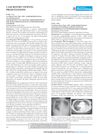
 SLE can cause unusual gastrointestinal symptoms, and immunosuppressive therapy can be effective.
April 2025 in “Dermatología Argentina” More skin lesions in lupus patients may indicate higher disease activity.
May 2018 in “The Journal of Immunology” A(1-7) treatment reduces symptoms of lupus in mice.
 November 2017 in “Journal of Surgical Academia”
 Visual field defects in lupus nephritis can be caused by hypertensive retinopathy, not glaucoma or medication toxicity.
January 2008 in “Di-san junyi daxue xuebao” Rat hair follicle stem cells can become corneal epithelium-like cells when exposed to rabbit corneal limbal stroma.
January 2005 in “Di-san junyi daxue xuebao” VEGF can boost hair growth in mice with scleroderma.
January 2005 in “Di-san junyi daxue xuebao” Aerosol bioelectricity speeds up wound healing in burned rats.
January 2001 in “Acta Academiae Medicine Militaris Tertiae” K14 expression in young rats differs from adults.
January 2000 in “Acta Academiae Medicine Militaris Tertiae” Different keratins in hair follicles can help identify hair tumor origins.
January 2000 in “Acta Academiae Medicine Militaris Tertiae” Epidermal growth factor boosts growth of hair follicle cells.
4 citations
,
January 2025 in “Dermatologica Sinica” Experts recommend personalized treatment plans for alopecia areata, using corticosteroids and minoxidil for mild cases, and stronger medications for severe cases.