1 citations
,
January 2024 in “Pharmaceuticals” A new carrier improves skin delivery of tofacitinib for treating inflammatory skin diseases.
 2 citations
,
April 2012 in “Science-business Exchange”
2 citations
,
April 2012 in “Science-business Exchange” Blocking a protein called prostaglandin D2 might help treat hair loss.
July 2024 in “Journal of Investigative Dermatology” Recombinant human TSG-6 speeds up wound healing in diabetic mice.
1 citations
,
January 1989 in “Carcinogenesis” Dexamethasone reduces inflammation and delays skin cell changes caused by TPA.
45 citations
,
March 1997 in “Journal of Investigative Dermatology”  2 citations
,
July 2011 in “AFRICAN JOURNAL OF BIOTECHNOLOGY”
2 citations
,
July 2011 in “AFRICAN JOURNAL OF BIOTECHNOLOGY” Seven genetic variations in sheep's DSG4 gene are linked and affect wool traits.
14 citations
,
October 2017 in “Gene Expression Patterns” A new mouse model helps study melanocyte cells using GFP expression.
60 citations
,
August 2022 in “ESMO Open” Trastuzumab deruxtecan is effective for HER2-positive breast cancer but requires careful management of side effects.
 9 citations
,
September 2017 in “Journal of Investigative Dermatology Symposium Proceedings”
9 citations
,
September 2017 in “Journal of Investigative Dermatology Symposium Proceedings” Prostaglandin D2 increases testosterone production in skin cells through a process involving reactive oxygen species, and antioxidants may help treat hair loss.
188 citations
,
June 1998 in “Molecular cell” Researchers created a mouse with the same mutation as humans with trichothiodystrophy, showing similar symptoms and confirming the condition is due to defects in DNA repair and gene activity.
January 2024 in “Wiadomości Lekarskie” DEC cells show promise as a safe and effective treatment for Duchenne muscular dystrophy.
53 citations
,
March 2006 in “Biopolymers” TTD hair is brittle due to fewer sulfur amino acids and unstable disulfide bonds.
July 2025 in “Ultrasound in Medicine & Biology” UTMD with diclofenac and Doxil® improves cancer treatment by boosting immune response and reducing tumor-supporting cells.
91 citations
,
November 2008 in “Journal of biological chemistry/The Journal of biological chemistry” DGAT1 enzyme is crucial for healthy skin and hair by regulating retinoid levels.
7 citations
,
March 2004 in “Journal of the American Academy of Dermatology” Tiger tail banding and hair abnormalities are reliable indicators for diagnosing trichothiodystrophy.
 1 citations
,
May 2025 in “Frontiers in Medicine”
1 citations
,
May 2025 in “Frontiers in Medicine” Dual-targeted therapy is effective and safe for difficult-to-treat inflammatory bowel disease.
2 citations
,
October 2024 in “Pharmaceutics” Smaller particle sizes of Tetrastigma hemsleyanum powders improve their effectiveness and liver health benefits.
3 citations
,
January 2021 in “Molecular genetics & genomic medicine” The study found two new mutations in a Chinese patient with severe biotinidase deficiency.
48 citations
,
June 2000 in “Japanese Journal of Cancer Research” Dimethylarsinic acid speeds up skin tumor growth in certain mice.
January 2025 in “Journal of Ethnopharmacology” Dahuang-Gancao Decoction improves hair growth in androgenetic alopecia.
 16 citations
,
January 2010 in “American Journal of Neuroradiology”
16 citations
,
January 2010 in “American Journal of Neuroradiology” Specific brain and bone imaging findings can help diagnose Trichothiodystrophy.
22 citations
,
March 2017 in “Journal of the Formosan Medical Association” The guidelines help doctors manage skin problems from certain cancer treatments to improve patients' lives.
 7 citations
,
June 2011 in “Movement Disorders”
7 citations
,
June 2011 in “Movement Disorders” A specific gene mutation is linked to a hereditary form of dystonia that responds well to certain medications.
 1 citations
,
April 2016 in “Journal of Investigative Dermatology”
1 citations
,
April 2016 in “Journal of Investigative Dermatology” Prostaglandin D2 increases testosterone levels in skin cells through reactive oxygen species, not enzymes, which could lead to new hair loss treatments.
2 citations
,
September 1971 in “Metabolism, clinical and experimental” Dihydrotestosterone has a reduced effect on muscle-building in people with testicular feminization syndrome, especially after their gonads are removed.
4 citations
,
July 2019 in “Experimental Dermatology” 2-deoxy D-glucose does not help with hair regrowth in alopecia areata.
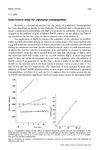 19 citations
,
November 1971 in “Clinica Chimica Acta”
19 citations
,
November 1971 in “Clinica Chimica Acta” The document concludes that measuring γ-glutamyl transpeptidase activity is more accurate with a higher substrate concentration and using diluted acetic acid to stop the reaction.
 1 citations
,
April 2016 in “Journal of Investigative Dermatology”
1 citations
,
April 2016 in “Journal of Investigative Dermatology” Blocking Prostaglandin D₂ may help treat hair loss.
November 2023 in “Вопросы современной педиатрии” Genetic testing can diagnose hair loss linked to DSG4 gene variants.
 April 2016 in “Journal of Investigative Dermatology”
 Blocking Prostaglandin D₂ (PGD₂) could help treat hair loss.