 December 2024 in “Australian Journal of General Practice”
 The woman's hair loss pattern doesn't match typical conditions like alopecia areata or female pattern hair loss.
 December 2024 in “Clinical Cosmetic and Investigational Dermatology”
 Elderly patients with eruptive skin bumps may have clear cell syringoma linked to glucose issues.
 October 2024 in “Journal of Education Health and Sport”
 Alopecia areata treatment should be personalized, using topical or systemic therapies based on severity, with promising options like JAK inhibitors needing more research.
 October 2024 in “Consilium Medicum”
 Understanding fibroblasts helps improve cosmetic treatments for aging skin.
 September 2024 in “African Journal of Biomedical Research”
 Alopecia areata patients have lower vitamin D and slightly lower copper levels, so these should be checked.
 September 2024 in “Quality in Sport”
 Trichotillomania is an obsessive-compulsive disorder causing hair pulling, needing complex treatment to prevent serious issues.
 September 2024 in “World Journal of Advanced Research and Reviews”
 COVID-19 can harm many body parts, not just the lungs.
 September 2024 in “Health Sciences”
 Androgenic alopecia can be treated with minoxidil, finasteride, and hormonal therapy.
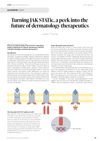 August 2024 in “New Zealand Medical Student Journal”
 JAK inhibitors show promise for treating skin diseases effectively and safely.
 August 2024 in “Clinical Cosmetic and Investigational Dermatology”
 Ixekizumab effectively treated severe psoriasis and hair loss in a patient.
 July 2024 in “Dermatology Practical & Conceptual”
 COVID-19-related hair loss may have unique features compared to hair loss from other causes.
 July 2024 in “Forum Dermatologicum”
 Topical treatments for hair loss can be effective but need careful safety evaluation.
 July 2024 in “International Journal of Medical Arts”
 Latanoprost is more effective than minoxidil for treating alopecia areata.
 July 2024 in “Frontiers in Pharmacology”
 Pilose antler extracts help hair growth by activating hair follicle stem cells.

Monthly PRP therapy is more effective than daily minoxidil for alopecia areata.
 June 2024 in “Archives of dermatological research”
 Dietary supplements might help prevent post-COVID hair loss, but serum ferritin is not a reliable indicator.
 June 2024 in “Frontiers in pharmacology”
 2-deoxy-D-ribose gel may help regrow hair in cases of hair loss.
 June 2024 in “Dermatology and therapy”
 Intramuscular injections improved hair density more than intradermal injections for treating hair loss.
 June 2024 in “International journal of nanomedicine”
 Azelaic acid micro/nanocrystals, especially with ultrasound and salicylic acid, greatly improve acne treatment.
 May 2024 in “Frontiers in Immunology”
 Type-2 immunity may influence skin diseases and could be targeted for treatment.
 May 2024 in “Aktualʹnì problemi sučasnoï medicini: Vìsnik Ukraïnsʹkoï medičnoï stomatologìčnoï akademì”
 Spironolactone and clascoterone are promising acne treatments with fewer side effects.
 May 2024 in “Journal of Education, Health and Sport”
 Current treatments for folliculitis decalvans include antibiotics, isotretinoin, and potential new therapies like botulinum toxin A and PRP.
Clinicians should look for skin issues, sleep problems, cognitive changes, and food cravings as signs of insulin resistance.
 May 2024 in “International Journal of Advanced Multidisciplinary Research and Studies”
 COVID-19 can cause various skin issues, like rashes and hair loss, which help in early diagnosis.
Mesotherapy is a promising alternative to minoxidil for hair loss with mild side effects.
 May 2024 in “Clinical, cosmetic and investigational dermatology”
 5% topical minoxidil effectively treated a boy's congenital triangular alopecia without side effects.
 April 2024 in “ScienceRise. Pharmaceutical science”
 Men with hair loss feel it affects their emotions and life quality, and want more effective treatments.
 April 2024 in “Nepal journal of dermatology, venereology & leprology”
 Vitamin D is important for skin health and can help treat and prevent various skin conditions.
 April 2024 in “Journal of asthma and allergy”
 Abrocitinib effectively treated severe atopic dermatitis and mild alopecia areata in a 12-year-old boy after dupilumab failed.
 March 2024 in “International journal of pharmaceutical sciences and drug research”
 Androgenetic alopecia is influenced by various factors and can be treated with medications, procedures, and non-drug methods.