 April 2017 in “The journal of investigative dermatology/Journal of investigative dermatology”
 Most patients experienced mild to moderate skin problems during a trial for a desmoid tumor treatment.
 January 2017 in “Springer eBooks”
 The document concludes that scalp health is influenced by complex factors affecting sebaceous glands, including hormones, aging, and various substances.
 March 2016 in “Indian Journal Of Applied Research”
 16.60% of patients had hypothyroidism, more common in females and those over 50.
 January 2016 in “SpringerBriefs in bioengineering”
 Genetic defects and UV radiation cause skin damage and aging.
 January 2016 in “Journal of Investigative Dermatology”
 Some cells may slow melanoma growth, a protein could affect skin pigmentation, a gene-silencing method might treat hair defects, skin bacteria changes likely result from eczema, and a defensin protein could help treat multiple sclerosis.
 January 2016 in “Springer eBooks”
 New materials and methods could improve skin healing and reduce scarring.
 January 2016 in “Experimental Dermatology”
 New findings suggest potential treatments for melanoma, hyperpigmentation, hair defects, and multiple sclerosis, and show skin microbiome changes don't cause atopic dermatitis.
 May 2015 in “Actas Dermo-Sifiliográficas”
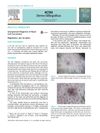
 A young man was unexpectedly diagnosed with basal cell carcinoma after a scalp examination and confocal microscopy.

Hormonal treatments can help with hair loss, acne, and excess hair growth, but it takes 3-6 months to see results and patients should know the possible side effects.
 December 2013 in “Nursing2023”
 The FDA approved a new breast cancer treatment, found flu shots may reduce heart risks, questioned the safety of fast-tracked drug approvals, showed statins don't help with certain pneumonia, and approved a new dementia imaging agent.
 June 2012 in “Springer eBooks”
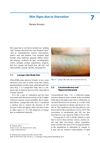
 Skin changes can indicate starvation and nutritional deficiencies in anorexia nervosa.
 January 2010 in “Actas Dermo-Sifiliográficas”
 A woman was allergic to quinine in her anti-hair loss lotion.
 January 2010 in “Elsevier eBooks”
 Hair transplantation is a treatment for hair loss mainly caused by genetics, with various techniques and potential complications, and results visible after 8-12 months.
 August 2009 in “Mechanisms of Development”
 Adult hair follicle cells can create new hair follicles from corneal cells with the right support.
 January 2009 in “Elsevier eBooks”
 Some plant-based treatments may help with ovary function, insulin resistance, and excess male hormones in PCOS, but more research is needed to confirm their safety and effectiveness.
 April 2006 in “Current Opinion in Endocrinology & Diabetes”
 Testosterone therapy can help improve sexual function, mood, and bone density in women with low androgen levels, but more research is needed on long-term safety.
 February 2004 in “Plastic and Reconstructive Surgery”
 The book gives a basic overview of cosmetic surgery topics but lacks depth and innovation, especially in hair restoration.
 February 2004 in “Plastic and Reconstructive Surgery”
 The book is a detailed guide on experimental wound healing methods, useful for researchers but not for clinicians.
 November 2002 in “Dermatologic Surgery”
 Scalp reduction gives the most natural result for significant crown baldness, despite potential complications, and a systematic approach to surgical hair restoration results in few complications and high graft survival.
 September 2002 in “Dermatologic Surgery”
 The evaluation system improves patient selection for hair loss surgery, leading to fewer but more successful surgeries.

The book details advanced techniques in cosmetic dermatology for experienced surgeons.

Abortion access should be defended on public health grounds, and medical evaluations are crucial in psychiatric cases to avoid misdiagnosis.

Both books are valuable resources in their fields.

The document reviewed various health-related books, focusing on abortion debates, medical conditions, and effective health communication.
 May 1995 in “Journal of Investigative Dermatology”
 Researchers developed a new way to measure gene activity in single hair follicles and found that a specific gene's activity changes with different amounts and times of treatment.
 December 1989 in “The Journal of Dermatologic Surgery and Oncology”
 New techniques and findings in dermatologic surgery show improved pain management, safer liposuction, better hair transplantation, and effective treatments for skin conditions.

Doctors recommend postoperative radiation for male breast cancer, advise against testosterone for vasomotor symptoms post-adrenalectomy, suggest non-hormonal treatments for atrophic vaginitis after mastectomy, note no specific treatment for anticoagulant-induced hair loss, and call for more research on silicosis from silicon carbide exposure.
 March 2021 in “Dermatological reviews”
 Hair transplant works well, but needs more research for better results.
 November 2020 in “Journal of The American Academy of Dermatology”
 The conclusion is that many small genetic variations influence claw disorders in cows, and using genomic selection could help reduce these disorders.
 November 2020 in “Environmental Science and Pollution Research”
 Finasteride and melengestrol acetate are toxic to benthic invertebrates.