 11 citations
,
August 2018 in “Facial Plastic Surgery Clinics of North America”
11 citations
,
August 2018 in “Facial Plastic Surgery Clinics of North America” Adipose-derived stem cells show potential for skin rejuvenation and wound healing but require more research to overcome challenges and ensure safety.
 4 citations
,
March 2017 in “Development”
4 citations
,
March 2017 in “Development” Estrogen is important for keeping adult mouse nipple skin healthy by controlling certain cell signals.
 81 citations
,
November 2012 in “Journal of the National Cancer Institute”
81 citations
,
November 2012 in “Journal of the National Cancer Institute” The tumor suppressor gene FLCN affects mitochondrial function and energy use in cells.
 13 citations
,
February 2018 in “Plastic and Reconstructive Surgery”
13 citations
,
February 2018 in “Plastic and Reconstructive Surgery” The study found that a specific signaling pathway helps skin wounds heal faster but may lead to larger scars.
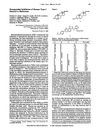 89 citations
,
February 1993 in “Journal of Medicinal Chemistry”
89 citations
,
February 1993 in “Journal of Medicinal Chemistry” New compounds called benzoquinolinones may treat conditions linked to excess DHT.
 68 citations
,
March 2018 in “Biomaterials”
68 citations
,
March 2018 in “Biomaterials” Tiny needles with valproic acid can effectively regrow hair.
 17 citations
,
April 2007 in “Kidney international”
17 citations
,
April 2007 in “Kidney international” Vitamin D boosts a specific gene activity in kidney cells that could improve heart and kidney function.
 22 citations
,
November 2013 in “Clinical and experimental dermatology (Print)”
22 citations
,
November 2013 in “Clinical and experimental dermatology (Print)” Ecklonia cava, a type of seaweed, may help hair grow.
 December 2025 in “International Journal of Research in Dermatology”
 The Ayurvedic treatment safely and effectively restores natural hair color by increasing black hair and reducing grey hair.
 15 citations
,
February 2021 in “Scientific Reports”
15 citations
,
February 2021 in “Scientific Reports” RNA aptamers can specifically block FGF5-related cell growth, potentially treating related diseases or hair disorders.
 June 1997 in “Australasian Journal of Dermatology”
 Researchers found new hair and nail genes, how hair reacts to UV, differences in white and pigmented hair growth, nerve changes in alopecia, treatments for baldness and alopecia, a toenail condition linked to a genetic disorder, and that nail fungus is more common in people with psoriasis.
 10 citations
,
January 2004 in “Dermatologic Surgery”
10 citations
,
January 2004 in “Dermatologic Surgery” Storing hair follicles in special buffers with added protective substances can increase hair growth and reduce cell death.
 8 citations
,
September 2003 in “Journal of dermatological science”
8 citations
,
September 2003 in “Journal of dermatological science” Substance P helps hair grow longer and faster.
 22 citations
,
July 2019 in “PLOS ONE”
22 citations
,
July 2019 in “PLOS ONE” Skin lymphatic vessels are essential for hair growth.
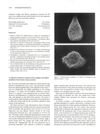 8 citations
,
September 1993 in “British journal of dermatology/British journal of dermatology, Supplement”
8 citations
,
September 1993 in “British journal of dermatology/British journal of dermatology, Supplement” A new method helps isolate key hair components to study hair growth and loss.
 72 citations
,
December 1983 in “Journal of Investigative Dermatology”
72 citations
,
December 1983 in “Journal of Investigative Dermatology” Minoxidil helps hair cells live longer and grow longer.
 58 citations
,
June 1987 in “Archives of Dermatological Research”
58 citations
,
June 1987 in “Archives of Dermatological Research” EGF and FGF boost hair cell growth, hydrocortisone slows it, and minoxidil doesn't affect it.
 24 citations
,
August 2011 in “Experimental Dermatology”
24 citations
,
August 2011 in “Experimental Dermatology” The flap assay grows the most natural hair but takes the longest, the chamber assay is hard work but gives dense, normal hair, and the patch assay is quick but creates poorly oriented hair with some issues.
 21 citations
,
April 2018 in “Journal of Dermatological Science”
21 citations
,
April 2018 in “Journal of Dermatological Science” Cilostazol helps hair grow by making hair root cells grow faster and changing growth factor levels.

Avicennia marina extract and avicequinone C can potentially promote hair growth and treat hair loss by interfering with hair loss mechanisms and boosting growth factors.
 78 citations
,
June 2003 in “Journal of Investigative Dermatology Symposium Proceedings”
78 citations
,
June 2003 in “Journal of Investigative Dermatology Symposium Proceedings” TGF-β1 from dermal papilla cells suppresses hair growth, and targeting it may help treat androgenetic alopecia.
 54 citations
,
November 2015 in “Methods in enzymology on CD-ROM/Methods in enzymology”
54 citations
,
November 2015 in “Methods in enzymology on CD-ROM/Methods in enzymology” Keratins are important for skin cell health and their problems can cause diseases.
 41 citations
,
September 2011 in “Journal of Ethnopharmacology”
41 citations
,
September 2011 in “Journal of Ethnopharmacology” Panax ginseng extract helps mice grow hair.
 38 citations
,
September 2006 in “Journal of Dermatological Science”
38 citations
,
September 2006 in “Journal of Dermatological Science” Ketoconazole lotion can improve hair regrowth for some people with androgenetic alopecia.
 34 citations
,
February 1999 in “Journal of Dermatological Science”
34 citations
,
February 1999 in “Journal of Dermatological Science” Minoxidil boosts enzymes that help hair growth.
 27 citations
,
April 1992 in “Biochemical Journal”
27 citations
,
April 1992 in “Biochemical Journal” Minoxidil reduces lysine hydroxylase in skin cells.
 22 citations
,
October 2012 in “Cell Transplantation”
22 citations
,
October 2012 in “Cell Transplantation” Cells treated with Wnt-10b can grow hair after being transplanted into mice.
 20 citations
,
December 2013 in “Journal of Dermatology”
20 citations
,
December 2013 in “Journal of Dermatology” UV-B light increases inflammation-related substances in acne-related skin cells.
 15 citations
,
January 1995 in “Archives of Dermatological Research”
15 citations
,
January 1995 in “Archives of Dermatological Research” Minoxidil boosts elastin production, potentially helping skin diseases.
 12 citations
,
June 2019 in “The journal of pharmacology and experimental therapeutics/The Journal of pharmacology and experimental therapeutics”
12 citations
,
June 2019 in “The journal of pharmacology and experimental therapeutics/The Journal of pharmacology and experimental therapeutics” Activating TRPV3 channels stops hair growth by killing hair follicle cells.