 July 1997 in “The Lancet”
 A new protein linked to Alzheimer's was discovered, and a hair loss treatment showed effectiveness but had some sexual side effects.
 October 2021 in “Journal of Investigative Dermatology”
 Dkk4 protein is necessary for the proper development and arrangement of hair follicles.
January 2019 in “11th World congress for hair research” 69 citations
,
August 1988 in “Journal of Investigative Dermatology”  April 1981 in “Pediatric research”
 Copper treatments increase copper in all tissues, but brindled female mice accumulate much more copper in their kidneys without clinical effects, unlike brindled male mice where brain copper deficiency is clinically significant.
August 1969 in “Archives of Dermatology” After calciphylaxis, rats showed incomplete skin and hair regeneration, resembling scar tissue with fewer hairs.
32 citations
,
January 2017 in “Physiology & Behavior” New hair growth corticosterone levels are higher in diabetic mice, indicating long-term stress.
2 citations
,
June 2013 in “Herba Polonica” The extract from Elephantopus scaber Linn. might help with hair growth in rats.
2 citations
,
September 1998 in “Der Hautarzt” A gene mutation causes a rare hereditary hair loss, offering potential for new treatments.
21 citations
,
November 2014 in “Cytotechnology”  8 citations
,
March 2014 in “American Journal of Pathology”
8 citations
,
March 2014 in “American Journal of Pathology” Damaged hair follicles make mice more prone to skin inflammation and skin cancer after UV exposure.
 13 citations
,
October 2002 in “Journal of Investigative Dermatology”
13 citations
,
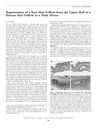
October 2002 in “Journal of Investigative Dermatology” The upper half of a human hair follicle can grow a new hair in a mouse, but success is rare.
July 2026 in “Journal of Investigative Dermatology” 8 citations
,
October 2024 in “Developmental Cell”  January 2001 in “Biomedical Research”
 THH and PAD type III appear together early in hair growth, but deiminated THH appears later, suggesting another factor is involved.
 April 2018 in “Journal of Investigative Dermatology”
 DNMT3A is crucial for healthy skin and hair growth.
 12 citations
,
December 1987 in “Cancer Chemotherapy and Pharmacology”
12 citations
,
December 1987 in “Cancer Chemotherapy and Pharmacology” Vitamin E in the diet might help protect against hair loss caused by the chemotherapy drug doxorubicin in rabbits.
22 citations
,
April 2010 in “Journal of Cellular Biochemistry” Certain mutations in the hairless protein disrupt its ability to regulate the hair cycle.
 291 citations
,
October 2005 in “Proceedings of the National Academy of Sciences of the United States of America”
291 citations
,
October 2005 in “Proceedings of the National Academy of Sciences of the United States of America” Adult stem cells from rat whisker follicles can regenerate hair follicles and sebaceous glands.
April 2015 in “MOJ Cell Science & Report” Rat hair follicle stem cells can be used to improve blood vessel growth in engineered skin.
 86 citations
,
December 2001 in “Experimental dermatology”
86 citations
,
December 2001 in “Experimental dermatology” Mutant mice help researchers understand hair growth and related genetic factors.
March 2026 in “British Journal of Dermatology” Deucravacitinib did not significantly improve hair regrowth in alopecia areata patients.
 March 2024 in “Journal of Endocrinological Investigation”
 Finasteride treatment in rats changed the expression of genes related to psychiatric and neurological functions, and these changes persisted after stopping the drug.
March 2026 in “JID Innovations” Aire mutation reduces alopecia areata, while Notch4 mutation prevents it in mice.

Farudodstat can prevent hair follicle immune damage linked to alopecia areata.
 January 2024 in “Современные проблемы науки и образования (Modern Problems of Science and Education)”
 Miliacin helps extend the hair growth phase in mice with hair loss.
118 citations
,
January 1992 in “Experientia” 6 citations
,
August 2020 in “Cell regeneration” Hair follicle stem cells are similar to bone marrow stem cells but are better for fat cell research.
 5 citations
,
January 1995 in “Journal of Investigative Dermatology”
5 citations
,
January 1995 in “Journal of Investigative Dermatology” A trial found that using finasteride, a hair growth drug, can be effectively measured by comparing before and after photos.
 8 citations
,
March 2014 in “Experimental Dermatology”
8 citations
,
March 2014 in “Experimental Dermatology” Light and temperature affect the daily skin function rhythms in hairless rats, with temperature influencing water loss but not skin hydration.