1 citations
,
January 2014 in “Chinese Journal of Traditional Medical Traumatology & Orthopedics” The methods can provide high-quality cells for creating artificial hair follicles, blood vessels, and skin.
 13 citations
,
October 2002 in “Journal of Investigative Dermatology”
13 citations
,
October 2002 in “Journal of Investigative Dermatology” The upper half of a human hair follicle can grow a new hair in a mouse, but success is rare.
3 citations
,
January 1990 in “Cancer chemotherapy and pharmacology” Topical thiols may prevent hair loss caused by certain chemotherapy drugs.
Suppressing ODC activity reduces tumor growth in hair follicles.
March 2026 in “JID Innovations” Aire mutation reduces alopecia areata, while Notch4 mutation prevents it in mice.
Mineral deposits form in hair follicles after skin injury, faster in rats given DHT.
CRH causes hair loss by reducing autophagy and increasing cell death in hair cells.
January 2025 in “Arquivo Brasileiro de Medicina Veterinária e Zootecnia” Agoutis in captivity have more resting (telogen) hairs than growing (anagen) hairs, regardless of season or gender.
 April 2018 in “Journal of Investigative Dermatology”
 DNMT3A is crucial for healthy skin and hair growth.
 May 2019 in “Ukraïnsʹkij bìofarmacevtičnij žurnal”
 The cream-mask and gel-mask with certain plant extracts improved hair growth in rats similar to a common hair growth treatment.
12 citations
,
February 2017 in “Journal of neuroscience research” Removing certain brain receptors in mice worsens seizure severity and response to treatment during hormone withdrawal.
15 citations
,
September 2012 in “PTR. Phytotherapy research/Phytotherapy research” Ginsenosides Rb₁ and Rd may help prevent hair loss by promoting hair cell growth.
6 citations
,
July 1985 in “British Journal of Dermatology” Topical minoxidil showed limited effectiveness for hair regrowth in alopecia areata.
February 2025 in “JDDG Journal der Deutschen Dermatologischen Gesellschaft” Deucravacitinib helped a man regrow hair and improve psoriasis.
27 citations
,
December 1997 in “Archives of Dermatological Research” Rat dermal papilla cells have unique properties and interact differently with their environment compared to other skin cells.
26 citations
,
June 2003 in “PubMed” Alpha-difluoromethylornithine prevents cancer in mice but causes hair loss.
2 citations
,
May 2023 in “The Journal of Immunology” NXC736 significantly reduced hair loss in mice with alopecia areata.
November 2025 in “PROGRESS IN BIOCHEMISTRY AND BIOPHYSICS” Taurine may help reduce hair loss by improving hair growth cycles.
 26 citations
,
October 2016 in “Biomolecules & Therapeutics”
26 citations
,
October 2016 in “Biomolecules & Therapeutics” 3-Deoxysappanchalcone helps human hair cells grow and stimulates hair growth in mice by affecting certain cell signaling pathways.
12 citations
,
June 2022 in “International Journal of Molecular Sciences” Copper boosts cell growth in rabbit hair follicles.
 17 citations
,
April 1972 in “PubMed”
17 citations
,
April 1972 in “PubMed” Minoxidil lowers blood pressure and spreads throughout the body in normal rats.
 51 citations
,
August 2013 in “Journal of Investigative Dermatology”
51 citations
,
August 2013 in “Journal of Investigative Dermatology” Human skin cells can create new hair follicles when transplanted into mice.
 30 citations
,
July 2017 in “Stem cells and cloning”
30 citations
,
July 2017 in “Stem cells and cloning” SVF-enhanced adipose transplantation shows potential as a hair loss treatment.
 15 citations
,
December 2014 in “PLoS ONE”
15 citations
,
December 2014 in “PLoS ONE” A mutation in the iRhom2 gene causes hairless mice due to abnormal hair follicle development.
16 citations
,
January 2000 in “Dermatology” Men with X-linked recessive ichthyosis can still experience male-pattern baldness.
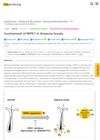
RIPK1 inhibitors might help prevent alopecia areata.
 3 citations
,
March 2014 in “Veterinary dermatology”
3 citations
,
March 2014 in “Veterinary dermatology” Norwegian puffin dogs have a unique type of hair loss that often doesn't get better on its own and responds well to ciclosporin treatment.
 16 citations
,
March 2016 in “The journal of investigative dermatology/Journal of investigative dermatology”
16 citations
,
March 2016 in “The journal of investigative dermatology/Journal of investigative dermatology” The Notch signaling pathway helps in mouse hair development through a noncanonical mechanism that does not rely on RBPj or transcription.
12 citations
,
November 2004 in “Photochemistry and Photobiology” Superoxide dismutase (SOD) can prevent hair graying in mice.
 7 citations
,
October 2015 in “American Journal of Primatology”
7 citations
,
October 2015 in “American Journal of Primatology” Monkeys with hair loss during pregnancy showed higher stress hormone levels and invested differently in their offspring.