22 citations
,
March 1994 in “Journal of Heredity” A mutation in mice causes hair loss and immune problems.
 12 citations
,
November 1945 in “Archives of dermatology”
12 citations
,
November 1945 in “Archives of dermatology” Transplanted skin on hooded rats often grows white hair instead of black.
 34 citations
,
December 1991 in “Annals of the New York Academy of Sciences”
34 citations
,
December 1991 in “Annals of the New York Academy of Sciences” The conclusion is that small hair follicles cause baldness in macaques, and treatments like antiandrogens and minoxidil can prevent hair loss and promote regrowth.
November 2023 in “Biomolecules” The research showed that Vitamin D and its receptor are important for healthy bones and normal hair and skin in rats.
April 2019 in “Journal of Investigative Dermatology” The humanized AA mouse model is better for testing new alopecia areata treatments.
 18 citations
,
August 2018 in “The FASEB journal”
18 citations
,
August 2018 in “The FASEB journal” Rabbits lacking the Hoxc13 gene show similar hair and skin issues to humans with ECTD-9, making them good for research on this condition.
 June 2026 in “Reports of Morphology”
 A nutrient-rich diet improved skin and hair health in stressed rats.
7 citations
,
January 1971 in “Archives of Dermatological Research”  2 citations
,
March 1997 in “Hair transplant forum international”
2 citations
,
March 1997 in “Hair transplant forum international” Transplanting rat whisker follicles can lead to successful hair growth after cutting them.
 10 citations
,
November 1997 in “British Journal of Dermatology”
10 citations
,
November 1997 in “British Journal of Dermatology” RU58841 significantly increases hair growth rate and initiates more hair cycles, but doesn't affect hair thickness, suggesting it could be a new treatment for baldness.
 January 2015 in “Journal of clinical and investigative dermatology”
 Clipping is the best method to prepare rats for studying hair loss from chemotherapy because it causes less skin damage and effectively gets hair to the right growth phase.
 54 citations
,
June 1985 in “American Journal of Dermatopathology”
54 citations
,
June 1985 in “American Journal of Dermatopathology” Minoxidil helps grow longer, thicker hair in bald scalps of stumptailed macaques, and early treatment is more effective.
February 2010 in “한국실험동물학회 학술발표대회 논문집” 2 citations
,
July 1994 in “Journal of Dermatological Science” Grafted human scalp samples on mice can produce human hair, useful for studying hair genetics.
September 2025 in “OPAL (Open@LaTrobe) (La Trobe University)” The treatments stopped hair regrowth in mice.
6 citations
,
April 1971 in “Journal of Wildlife Diseases” Switching flying squirrels' diet from seeds to mouse chow restored their hair.
2 citations
,
January 1977 in “PubMed” 10 citations
,
March 1973 in “Journal of Investigative Dermatology” 1 citations
,
December 2019 in “World rabbit science” High doses of cobalt stopped hair growth in rabbits.
 8 citations
,
May 1941 in “Science”
8 citations
,
May 1941 in “Science” Inositol helped cure hair loss around rats' eyes and improved their growth.
 158 citations
,
May 1968 in “The journal of nutrition/The Journal of nutrition”
158 citations
,
May 1968 in “The journal of nutrition/The Journal of nutrition” Zinc is crucial for growth and health in rats.
1 citations
,
January 2014 in “PubMed” Certain substances can decrease or increase exploratory behavior in rodents.
 March 2026 in “Trends in Sciences”
 A mouse model was created to study hair loss similar to humans.
1 citations
,
September 2024 in “Journal of the American Academy of Dermatology” Farudodstat may effectively treat alopecia areata without harmful side effects.
 29 citations
,
April 1995 in “Endocrinology”
29 citations
,
April 1995 in “Endocrinology” Finasteride doesn't affect bone density in male rats.
January 2007 in “Pizhūhish va sāzandigī” Hairless guinea pigs are useful for research in allergies, skin tests, and diseases.
7 citations
,
October 1988 in “Clinics in Dermatology” Minoxidil can promote hair growth in hairless mice.
56 citations
,
September 2010 in “Veterinary pathology” Certain mouse strains develop a skin condition similar to a human hair loss disease due to genetic defects.
 1 citations
,
June 2018 in “International Journal of Dermatology”
1 citations
,
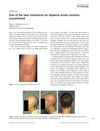
June 2018 in “International Journal of Dermatology” DNCB is highly effective for treating alopecia areata with minimal long-term side effects.
 July 2016 in “Experimental Dermatology”
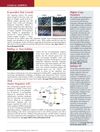
 New treatments for hair growth and psoriasis may be possible, and gene differences could affect baldness and the severity of skin conditions.