Search
for
Sort by
Research
150-180 / 1000+ resultsresearch Pathogenesis of Alopecia Areata in C3H/HeJ Mice and DEBR Rats
Alopecia areata is an autoimmune disease that targets hair follicles.
research [Effect of vitamin A deficiency on hair growth in rats].
research The effect of testosterone, cyproterone acetate, and minoxidil on hair loss in the androchronogenetic alopecia mouse
The mouse model could be useful for baldness research and testing treatments like testosterone, cyproterone acetate, and minoxidil.
research The lanceolate hair rat phenotype results from a missense mutation in a calcium coordinating site of the desmoglein 4 gene
A gene mutation causes lanceolate hair in rats by disrupting hair shaft integrity.
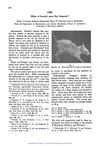
research Effect of Inositol upon Rat Alopecia.
Inositol helped prevent and cure hair loss in rats.
research Gene therapy for alopecia in type II rickets model rats using vitamin D receptor-expressing adenovirus vector
Gene therapy helped rats with a specific type of rickets grow hair without severe inflammation.
research Reduced Linear Hair Growth Rates of Vellus and of Terminal Hairs Produced by Human Balding Scalp Grafted onto Nude Mice
Balding scalps slow down hair growth.
research Characterization of hair follicles in Hirosaki hairless rats with deletion of basic hair keratin genes : enlarged medulla, loss of cuticle and long catagen
research Analyse de la régulation du gène Hairless et identification des voies de signalisation affectées chez les mutants «bald Mill Hill».
The mutant HR bmh protein affects hair follicle formation by failing to repress vitamin D receptor activity.
research Graying of Hair in Rats Fed a Ration Deficient in Lysine
research Graying of Hair in Rats Fed a Ration Deficient in Lysine
research THE GROWTH OF HUMAN HAIR IN NUDE MICE
Adiponectin reduces inflammation and bone loss in joint replacements.

research Dose-dependent and long term effects of RU58841 (androgen receptor blocker) on hair growth in the bald stumptailed Macaque.
RU58841, an androgen receptor blocker, significantly increased hair density, thickness, and length in monkeys when applied topically daily for several months.
research THE EFFECT OF ADRENALECTOMY AND ADRENOCORTICAL HORMONES ON THE HAIR GROWTH CYCLE IN THE RABBIT AND RAT
Cortisone suppresses hair regrowth, especially undercoat hair, while adrenalectomy affects hair growth differently in rabbits and rats.
research 583 RNA sequencing of immortalised balding and non balding DPCs identifies potential balding gene signatures
The research found specific genes that are more active in balding cells, which could be causing hair loss.
research ‘Atrichosis’, a new hairless gene with cyst formation in rats
A new gene causes hairlessness and skin cysts in rats.
research The upper dermal sheath has a potential to regenerate the hair in the rat follicular epidermis
The upper dermal sheath can regenerate hair in rats.
research PIGMENTATION AND HAIR GROWTH IN BLACK RATS, AS MODIFIED BY THE CHRONIC ADMINISTRATION OF THIOUREA, PHENYL THIOUREA AND ALPHA-NAPHTHYL THIOUREA1
Thiourea compounds affect hair growth and pigmentation in black rats.
research Oral Minoxidil Administration and its Effects on Reproductive, Lipid, and Hematological Profiles in Male Sprague Dawley Rats
research Identification of the Rat Rex Mutation as a 7-bp Deletion at Splicing Acceptor Site of the Krt71 Gene
A gene mutation causes curly hair and hair loss in rats.
research Effects of recombinant human keratinocyte growth factor-2 on hair regeneration in experimental bald rats
rhKGF2 significantly promotes hair growth and follicle development.
research Androgenetic Alopecia: In Vivo Models
Stump-tailed macaque best for researching hair loss causes and treatments.

research 614 Humanized mouse model for hair follicle studies
Researchers successfully used nude mice to study human hair growth, which could help with future hair research.
research Divergent genetic mechanism leads to spiny hair in rodents
Rodent spiny hair traits are due to genetic factors other than the Edar gene.

research TESTOSTERONE-INDUCED ANDROGENETIC ALOPECIA MICE MODEL: A PRELIMINARY STUDY
A testosterone-induced hair loss model in mice was successfully created for future research and treatment testing.
research Induction of hair follicle regeneration in rat ear by microencapsulated human hair dermal papilla cells.
Human hair cells can be used to grow new hair on rat ears, suggesting a possible treatment for hair loss.
research Animal models of androgen-dependent disorders of the pilosebaceous apparatus
Testosterone causes hair loss in AGA mice, which are good for testing baldness treatments, and both minoxidil and cyproterone acetate can prevent this hair loss.
research THE EFFECTS OF THE SYNTHETIC AND NATURAL HORMONE OF THE ADRENAL CORTEX ON MELANIN DEPOSITION IN ADRENALECTOMIZED BLACK RATS FED DIETS ADEQUATE AND DEFICIENT IN THE FILTRATE FACTORS OF VITAMIN B1
Synthetic hormone treatment reduces melanin and hair growth in rats.