July 2025 in “Clinical and Experimental Dermatology” Hair loss (telogen effluvium) happens before male pattern baldness.
 55 citations
,
February 1985 in “Archives of Dermatology”
55 citations
,
February 1985 in “Archives of Dermatology” Minoxidil applied twice daily can help regrow hair in some people with hereditary baldness, with no serious side effects.
 4 citations
,
April 2016 in “Experimental Dermatology”
4 citations
,
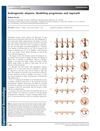
April 2016 in “Experimental Dermatology” AGA causes hair loss through follicle miniaturization and hair cycle changes; regrowth depends on anagen initiation in kenogen follicles.
 September 2025 in “Journal of Cosmetic Dermatology”
 Rb-bFGF improves hair transplant results and patient satisfaction with fewer complications.
 June 2024 in “Saudi Journal of Medicine”
 PRP therapy significantly improves hair thickness and density in male pattern baldness.
 November 2013 in “대한피부과학회지”
 Eating habits may affect the duration of male pattern baldness.
 April 2020 in “Journal of the Endocrine Society”
 Male pattern baldness may indicate arterial stiffness in transgender men on long-term testosterone therapy.
 43 citations
,
July 1984 in “Clinical and Experimental Dermatology”
43 citations
,
July 1984 in “Clinical and Experimental Dermatology” Antiandrogen therapy helped increase hair growth in women with hormonal imbalances related to baldness.
 5 citations
,
November 2018 in “Skin appendage disorders”
5 citations
,
November 2018 in “Skin appendage disorders” More kenogen hairs cause hair thinning in androgenetic alopecia, not hair miniaturization.
 April 2016 in “Journal of The American Academy of Dermatology”
 A botanical lotion can increase scalp collagen and extend hair growth phase, potentially improving hair thinning issues.
January 2013 in “대한피부과학회지” Men with longer-lasting hair loss eat more meat and less fish.
16 citations
,
January 2016 in “Indian Journal of Dermatology, Venereology and Leprology” Metabolic syndrome is more common in people with early-onset androgenic alopecia.
 6 citations
,
May 2022 in “Medicina-lithuania”
6 citations
,
May 2022 in “Medicina-lithuania” IMA may indicate oxidative stress in skin and hair disorders, but more research is needed.
 5 citations
,
July 2016 in “Journal of Clinical Hypertension”
5 citations
,
July 2016 in “Journal of Clinical Hypertension” Men with severe early-onset baldness may have worse heart artery function and stiffer arteries if they have high blood pressure.
 3 citations
,
January 2019 in “Skin Research and Technology”
3 citations
,
January 2019 in “Skin Research and Technology” Frequent use of hair straighteners can cause hair loss similar to scarring alopecia in young Turkish women.
 2 citations
,
November 2002 in “PubMed”
2 citations
,
November 2002 in “PubMed” Most patients with hair loss sought treatment for cosmetic reasons, were unhappy about their appearance, and had a family history of the condition, suggesting it may be inherited.
 1 citations
,
January 2022 in “Transgender health”
1 citations
,
January 2022 in “Transgender health” Hormone therapy in transgender individuals can increase acne and affect hair growth and loss.
 November 2025 in “Y HOC TP HO CHI MINH”
 Androgenetic alopecia patients have a higher risk of metabolic syndrome.
Androgenetic alopecia is common in younger adults, especially with a family history.

5α-reductase inhibitors are effective for treating hair loss in androgenetic alopecia.

Botulinum toxin-A may increase hair growth and reduce hair loss in men with baldness, and injecting near blood vessels can improve pain relief and last longer.
 January 2017 in “Journal of cosmetology & trichology”
 Hair loss can cause anxiety and depression, especially in young, single women, and early psychological support is important.
 11 citations
,
January 1987 in “Dermatology”
11 citations
,
January 1987 in “Dermatology” Minoxidil works for 56% of balding men with specific criteria.
 1 citations
,
June 2022 in “PubMed”
1 citations
,
June 2022 in “PubMed” Alopecia causes hair loss and should be treated early, especially scarring types where hair cannot regrow.
January 2005 in “한방재활의학과학회지” Most alopecia patients were young adults with oily scalps, often linked to stress and family history.
 January 2025 in “Skin Appendage Disorders”
 Herbal remedies may help hair growth, but more research is needed.
90 citations
,
January 2002 in “Dermatology” Kenogen is a resting phase in hair follicles that may contribute to baldness, especially in androgenetic alopecia.
66 citations
,
September 2008 in “The Journal of Dermatology” Gastrointestinal issues are important risk factors for sebaceous gland diseases in Han adolescents.
 55 citations
,
February 1985 in “Archives of Dermatology”
55 citations
,
February 1985 in “Archives of Dermatology” Using minoxidil on the scalp can help grow hair for people with hereditary baldness.
 September 1997 in “Dermatologic Surgery”
 The article concludes that uniform density hair restoration is generally preferred for its natural look, but the best approach depends on the individual's characteristics and preferences.