4 citations
,
January 2023 in “Skin Pharmacology and Physiology” Turpentine ointment is effective and safe for treating folliculitis.
14 citations
,
July 2021 in “Journal of the American Academy of Dermatology” Topical dapsone gel reduced flare-ups in folliculitis decalvans without side effects.
September 2023 in “Journal of the American Academy of Dermatology” Oral difelikefalin significantly reduces itch in notalgia paresthetica.
 1 citations
,
February 2015 in “Journal of evolution of medical and dental sciences”
1 citations
,
February 2015 in “Journal of evolution of medical and dental sciences” 0.05% Betamethasone Dipropionate is the most effective topical treatment for alopecia areata.
253 citations
,
June 2004 in “Journal of Controlled Release” Smaller nanoparticles improve minoxidil delivery through hair follicles.
12 citations
,
June 2017 in “Dermatologic therapy” Higher concentrations of dithranol can help regrow hair in severe alopecia areata.

DiluCap improves how quickly minoxidil and finasteride dissolve and controls the release of melatonin and naltrexone.
40 citations
,
January 2013 in “Clinical Cosmetic and Investigational Dermatology” Desonide is more effective than niacinamide for reducing underarm darkening.
September 2023 in “Journal of the American Academy of Dermatology”  May 2026 in “Zenodo (CERN European Organization for Nuclear Research)”
 The serum with microneedling device improves hair loss treatment effectively and safely.
4 citations
,
September 2025 in “Journal of the American Academy of Dermatology” 
Betamethasone dipropionate lotion is more effective than minoxidil solution for treating Alopecia Areata.
June 2017 in “Journal of the American Academy of Dermatology” The new cream is safe and effective for mild to moderate atopic dermatitis.
 January 2021 in “Social Science Research Network”
 The new treatment using tiny lipid carriers to deliver minoxidil and latanoprost directly to hair follicles shows promise for alopecia.
7 citations
,
June 2000 in “Journal of the American Academy of Dermatology” Foam corticosteroid covers as well as traditional forms.
181 citations
,
July 2004 in “Journal of controlled release” Smaller nanoparticles improve minoxidil absorption through hair follicles.
15 citations
,
July 2010 in “Journal of Allergy and Clinical Immunology” A new cream, DHMEQ, reduces allergic skin inflammation effectively.
 July 2023 in “Media Dermato Venereologica Indonesiana”
 Corticosteroids effectively treated a 60-year-old man's skin condition.
 47 citations
,
April 2017 in “European Journal of Pharmaceutics and Biopharmaceutics”
47 citations
,
April 2017 in “European Journal of Pharmaceutics and Biopharmaceutics” The new dutasteride formula can be applied to the skin, may promote hair growth, and has fewer side effects.
December 2025 in “JEADV Clinical Practice” These new skin treatments are safer and more effective with minimal side effects.
 34 citations
,
October 1994 in “Journal of Pharmaceutical Sciences”
34 citations
,
October 1994 in “Journal of Pharmaceutical Sciences” Ethanol over 50% helps minoxidil absorb better into skin.
 October 2024 in “International Journal For Multidisciplinary Research”
 Wedelolactone may help treat chronic diseases due to its strong antioxidant properties.
 24 citations
,
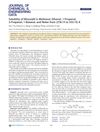
April 2011 in “Journal of Chemical & Engineering Data”
24 citations
,
April 2011 in “Journal of Chemical & Engineering Data” Minoxidil dissolves best in methanol and least in water.
 16 citations
,
January 2007 in “JEADV. Journal of the European Academy of Dermatology and Venereology/Journal of the European Academy of Dermatology and Venereology”
16 citations
,
January 2007 in “JEADV. Journal of the European Academy of Dermatology and Venereology/Journal of the European Academy of Dermatology and Venereology” A man had an allergic reaction to minoxidil, which stopped after he discontinued use and started corticosteroids.

Combining Minoxidil with topical Dutasteride via microneedling is the most effective and safe treatment for hair loss.
80 citations
,
June 2012 in “European Journal of Pharmaceutics and Biopharmaceutics” Nanoparticles improve drug delivery and effectiveness in treating inflamed skin.
 September 2022 in “KnE medicine”
 Higher candle nut oil concentration increases droplet size and changes the hair tonic's properties and stability.
 July 2022 in “SKIN The Journal of Cutaneous Medicine”
 A new lotion with halobetasol and tazarotene successfully treats acne keloidalis nuchae.
16 citations
,
March 2023 in “Gels” Paeonol-loaded gels may help reduce inflammation and skin damage in atopic dermatitis.