27 citations
,
February 2003 in “Cell and Tissue Research” FM dyes effectively stain Merkel cells for long-term observation.
 1 citations
,
June 2023 in “Journal of applied crystallography”
1 citations
,
June 2023 in “Journal of applied crystallography” The technique showed that human hair has two main parts, with 68% being rigid and the rest flexible, and water swelling affects its structure.
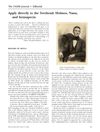 March 2007 in “The FASEB Journal”
 Henna mixed with PPD can cause skin reactions, scarring, and a specific type of baldness, and needs more research to understand these effects.
January 2020 in “대한미용학회지” Permanent hair dye reduces sulfur content in both gray and black-brown hair.

Hair coloring and bleaching can permanently break down hair protein and temporarily change its properties.
32 citations
,
March 2016 in “American Journal of Physical Anthropology” African hair is curled, Asian hair is thick, European hair is lighter, and chemical methods help identify hair color differences.
7 citations
,
February 1985 in “Textile Research Journal” Cellular debris sticks to damaged wool fibers and affects wool cleanliness.
Chemical treatments weaken hair's thermal stability and structure.
January 2000 in “Zhongguo yixue wulixue zazhi” Different human hair keratin types have unique structures that affect how they dissolve and can be used to create self-tendons.
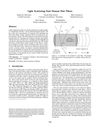
Researchers developed a new model for more realistic computer graphics of hair by considering how light scatters on hair fibers.
15 citations
,
January 1988 Hair follicles have unique proteins that vary by species and are influenced by nutrition.
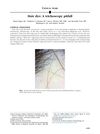 6 citations
,
March 2015 in “Journal of The American Academy of Dermatology”
6 citations
,
March 2015 in “Journal of The American Academy of Dermatology” Hair dye can make it hard to diagnose scalp conditions correctly.
 1 citations
,
July 2020 in “Journal of Al-Azhar University Engineering Sector”
1 citations
,
July 2020 in “Journal of Al-Azhar University Engineering Sector” Adding human and horse hair fibers to concrete can increase its strength.
40 citations
,
February 1994 in “Journal of Investigative Dermatology” January 2026 in “SSRN Electronic Journal”  2 citations
,
September 2021 in “International Journal of Ayurvedic Medicine”
2 citations
,
September 2021 in “International Journal of Ayurvedic Medicine” Despite adverse effects, people continue using hair dyes for aesthetic reasons, highlighting the need for safer options.
 161 citations
,
July 2003 in “ACM Transactions on Graphics”
161 citations
,
July 2003 in “ACM Transactions on Graphics” Researchers developed a new model for more realistic computer graphics rendering of hair by considering how light scatters on hair fibers.
1 citations
,
April 2022 in “Journal of Biological Regulators and Homeostatic Agents/Journal of Biological Regulators & Homeostatic Agents” Biocompatible artificial hair is safe, effective, and improves quality of life for alopecia patients.
 March 2025 in “International Journal of Advanced Research in Science Communication and Technology”
 Herbal hair dyes are safer and eco-friendly alternatives to synthetic dyes, offering natural color and hair benefits.
 September 2001 in “PubMed”
 The new X-ray technique allows for precise and non-destructive measurement of elements in hair, creating the first database of its kind for a specific ethnic group.

A natural hair dye from cuttlefish ink and chitosan effectively colors hair black without harmful chemicals.
 January 2000 in “Optics Letters”
 Laser treatment can inhibit hair growth and different hair colors reach different temperatures when lasered.
Genes and metabolites affect cashmere fiber thickness, which can improve cashmere quality.
 August 2020 in “Textile research journal”
 The model helps understand how wool fiber structure affects its strength and flexibility.
January 2026 in “Frontiers in Animal Science” Gentile di Puglia sheep have finer wool and more lanolin than Sarda sheep.
 6 citations
,
May 2020 in “Scientific reports”
6 citations
,
May 2020 in “Scientific reports” Researchers identified genes and proteins that may influence wool thickness in sheep.
34 citations
,
September 2007 in “Experimental Dermatology” The outer layer of Merino wool is rich in sulfur proteins, making it resistant to damage.
 4 citations
,
April 1955 in “Textile Research Journal”
4 citations
,
April 1955 in “Textile Research Journal” The effectiveness of reducing agents on hair fibers depends on their electrode potentials.
18 citations
,
March 2009 in “Skin pharmacology and physiology” Sunlight damages hair, causing cuticle loss, protein changes, and discoloration.
9 citations
,
July 2022 in “Journal of Cosmetic Dermatology” The ammonia-free hair dye is safe and improves hair shine, color, moisture, porosity, and combability.