 40 citations
,
February 2002 in “International Journal of Dermatology”
40 citations
,
February 2002 in “International Journal of Dermatology” Permanent hair dye damages hair but it mostly recovers after 8 weeks; using certain hair care products can help repair it.
June 2025 in “OPAL (Open@LaTrobe) (La Trobe University)” A new hair dye method uses polyphenols and oxidation to create a long-lasting brown color on gray hair.
 5 citations
,
April 2018 in “Chem”
5 citations
,
April 2018 in “Chem” Graphene-based hair dye is a safe, durable, and effective alternative to traditional black hair dyes.
4 citations
,
August 2016 in “PubMed” Repeated dyeing and shampooing cause hair color loss and damage.
1 citations
,
September 2008 in “International Journal of Cosmetic Science” Using chelants in hair dye reduces fiber damage by preventing harmful radicals.
August 2022 in “Zenodo (CERN European Organization for Nuclear Research)” The herbal hair dye effectively provides a natural reddish-brown color without synthetic chemicals.
6 citations
,
October 2003 in “Journal of applied polymer science” A new method using poly(ethylene imine) improves hair dyeing at lower temperatures with better color retention.
January 1996 in “대한피부과학회지” Wait at least 8 weeks between hair dyeing for cuticle recovery.
 1 citations
,
November 2019 in “International Journal of Women's Dermatology”
1 citations
,
November 2019 in “International Journal of Women's Dermatology” Ketoconazole shampoo can cause rare pink hair discoloration.
 November 2025 in “Zenodo (CERN European Organization for Nuclear Research)”
 Polyherbal hair dye creams are safer, effective, eco-friendly, and economical alternatives to synthetic dyes.
9 citations
,
July 2012 in “Dermatitis” Hair dye with para-phenylenediamine can cause skin depigmentation.
 May 2026 in “Zenodo (CERN European Organization for Nuclear Research)”
 The herbal hair dye gel is a safe and effective natural alternative to chemical dyes, improving hair and scalp health.
 56 citations
,
January 1996 in “Journal of Forensic Sciences”
56 citations
,
January 1996 in “Journal of Forensic Sciences” Dye enters hair at the edges of cuticle cells and penetrates more from water than alcohol-based solutions.
 May 2026 in “Zenodo (CERN European Organization for Nuclear Research)”
 The herbal hair dye gel is a safe and effective natural alternative to chemical dyes, improving hair and scalp health.
2 citations
,
March 1942 in “JAMA”  November 2025 in “Zenodo (CERN European Organization for Nuclear Research)”
 Polyherbal hair dye cream is safe, effective, and eco-friendly, offering better color and no side effects.
 4 citations
,
June 2020 in “JAAD case reports”
4 citations
,
June 2020 in “JAAD case reports” Permanent hair dye may cause total hair loss.
 December 2025 in “Journal of Pharma Insights and Research.”
 The shampoo naturally colors and conditions hair safely without toxic chemicals.
 May 2026 in “Brazilian Journal of Hair Health”
 Bleaching damages hair the most, while dyes improve combability but still cause protein loss.
June 2024 in “Journal of Clinical Medicine” Hair dye can cause severe scalp burns and long-term health risks, so safety guidelines must be followed.
 1 citations
,
January 2022 in “Electronic Imaging”
1 citations
,
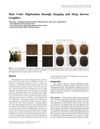
January 2022 in “Electronic Imaging” A new method accurately captures and renders hair color for virtual reality and hair dye use.
December 2025 in “Journal of Forensic Sciences” Bleaching hair doesn't affect the accuracy of dye identification using SERS.
Herbal hair dyes using plants like henna and beetroot are safer and can produce varied colors, with two-stage applications giving darker shades.
84 citations
,
April 2015 in “Cosmetics” Hair dyes vary in how long they last and how deeply they penetrate hair.
 March 2026 in “International Journal of Science and Research Archive”
 Hair coloring in 2026 requires precise science and safe techniques.
 June 2026 in “Zenodo (CERN European Organization for Nuclear Research)”
 Herbal hair dye is safer and effective compared to synthetic dyes.
 June 2026 in “Zenodo (CERN European Organization for Nuclear Research)”
 Herbal hair dye is safer and effective compared to synthetic dyes.
 May 2026 in “Zenodo (CERN European Organization for Nuclear Research)”
 Natural hair dyes like henna and beetroot are safer but have limited colors and may fade easily.
66 citations
,
February 1985 in “Archives of dermatological research” Hair dyes penetrate the scalp very minimally, less than 1%.
 May 2026 in “Zenodo (CERN European Organization for Nuclear Research)”
 Natural hair dyes are safer but have limited shades and may fade with washing.