 44 citations
,
January 2010 in “International journal of trichology”
44 citations
,
January 2010 in “International journal of trichology” Choosing the right shampoo for your hair type is crucial.
 21 citations
,
July 1988 in “Clinics in dermatology”
21 citations
,
July 1988 in “Clinics in dermatology” Good haircare and communication with doctors are key for managing hair loss.
 9 citations
,
November 2000 in “Proceedings of SPIE, the International Society for Optical Engineering/Proceedings of SPIE”
9 citations
,
November 2000 in “Proceedings of SPIE, the International Society for Optical Engineering/Proceedings of SPIE” Dyeing hair can help target and destroy hair follicles selectively.
 8 citations
,
January 2013 in “Annals of Dermatology”
8 citations
,
January 2013 in “Annals of Dermatology” Korean women dye their gray hair more than men, and it doesn't cause scalp diseases.
 6 citations
,
March 2015 in “Journal of The American Academy of Dermatology”
6 citations
,
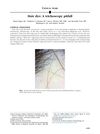
March 2015 in “Journal of The American Academy of Dermatology” Hair dye can make it hard to diagnose scalp conditions correctly.
 January 2014 in “University of the Arts London Research Online (University of the Arts London)”
 Certain ingredients can help protect hair color.
 3 citations
,
May 2020 in “Annals of the Academy of Medicine Singapore”
3 citations
,
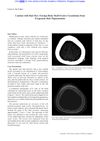
May 2020 in “Annals of the Academy of Medicine Singapore” Hair dye can cause serious scalp issues, including skull erosion.
 January 2017 in “Springer eBooks”
 Over 40% of postmenopausal women experience hair loss, with treatments aiming to stop further loss and possibly thicken hair.
 20 citations
,
June 2011 in “ISRN Dermatology (Print)”
20 citations
,
June 2011 in “ISRN Dermatology (Print)” A woman lost most of her hair due to an allergic reaction to a hair dye ingredient.
 1 citations
,
December 2022 in “Middle East Journal of Science”
1 citations
,
December 2022 in “Middle East Journal of Science” Permanent hair dyes use chemicals that react with hydrogen peroxide to create color.
 March 2024 in “International Research Journal of Modernization in Engineering Technology and Science”
 3D-printed hair is safe, eco-friendly, and better than natural or synthetic hair.
 47 citations
,
January 2013 in “Indian Journal of Dermatology, Venereology and Leprology”
47 citations
,
January 2013 in “Indian Journal of Dermatology, Venereology and Leprology” Premature graying of hair may suggest health issues and currently lacks effective treatments.
 43 citations
,
January 2013 in “Indian Journal of Dermatology, Venereology and Leprology”
43 citations
,
January 2013 in “Indian Journal of Dermatology, Venereology and Leprology” The article concludes that advancements in hair cosmetics require dermatologists to stay informed about products and their potential risks, including allergies and higher risks for hairdressers.
 9 citations
,
January 2011 in “Skin Research and Technology”
9 citations
,
January 2011 in “Skin Research and Technology” The new automatic tool accurately measures hair thickness and is reliable.
 7 citations
,
August 2018 in “Journal of cosmetic dermatology”
7 citations
,
August 2018 in “Journal of cosmetic dermatology” Chemical hair straightening improves smoothness and shine but may cause side effects, suggesting a need for safer methods.
 7 citations
,
December 2013 in “The Journal of Dermatology”
7 citations
,
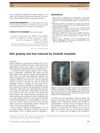
December 2013 in “The Journal of Dermatology” A woman's hair turned gray and fell out after starting a cancer drug called imatinib mesylate.
 6 citations
,
January 2016 in “Environmental footprints and eco-design of products and processes”
6 citations
,
January 2016 in “Environmental footprints and eco-design of products and processes” The industry should promote pure luxury hair fibers, improve technology, and diversify products to support growers and ensure sustainable use.
 4 citations
,
December 2018 in “Macedonian Journal of Chemistry and Chemical Engineering”
4 citations
,
December 2018 in “Macedonian Journal of Chemistry and Chemical Engineering” A new method accurately measures amino acids in treated hair, showing bleaching reduces amino acids while protein treatments increase them.
 3 citations
,
January 2021 in “Skin appendage disorders”
3 citations
,
January 2021 in “Skin appendage disorders” Hair color is not a risk factor for developing alopecia areata.
 3 citations
,
January 2007 in “Journal of health science”
3 citations
,
January 2007 in “Journal of health science” The enzymatic method can effectively identify chemical treatments on hair.
 2 citations
,
December 2021 in “Scientific reports”
2 citations
,
December 2021 in “Scientific reports” Scalp hair sweating is a significant predictor of hair cortisol levels.
 2 citations
,
September 2021 in “International Journal of Ayurvedic Medicine”
2 citations
,
September 2021 in “International Journal of Ayurvedic Medicine” Despite adverse effects, people continue using hair dyes for aesthetic reasons, highlighting the need for safer options.
 2 citations
,
March 2005 in “International Journal of Cosmetic Science”
2 citations
,
March 2005 in “International Journal of Cosmetic Science” Human hair structure varies by ethnicity, and certain treatments can improve hair condition and appearance.
 1 citations
,
March 2005 in “International Journal of Cosmetic Science”
1 citations
,
March 2005 in “International Journal of Cosmetic Science” Twisting hair weakens it, but strength can be recovered at low twist levels.
 May 2026 in “International Journal of Research Publication and Reviews”
 The polyherbal hair dye is a safe, effective, and eco-friendly alternative to synthetic dyes.
 May 2026 in “Clinical Cosmetic and Investigational Dermatology”
 White hair can make the scalp look more visible, which may be mistaken for hair loss.
 November 2025 in “Journal of Ayurveda and Integrated Medical Sciences”
 Herbal hair dyes are safe, effective, and beneficial for hair health.
 February 2025 in “Plastic and Aesthetic Research”
 Minoxidil and finasteride effectively promote hair regrowth within 3 months.
 August 2021 in “Han'gug miyong haghoeji/Journal of the Korean society of cosmetology”
 Using natural polyphenol cross-linkers like tannic acid and green tea extract in perm treatments improves curling and protects hair.
 September 2020 in “Benha Journal of Applied Sciences”
 Protein hair straighteners damage the hair more than hair dyes.