 May 2026 in “Zenodo (CERN European Organization for Nuclear Research)”
 The herbal mehendi gel safely colors hair and nourishes the scalp.
 April 2018 in “Journal of Investigative Dermatology”
 The research found that a specific skin cell type not only triggers hair growth but also controls hair color, and that aging can lead to hair loss and color changes.
35 citations
,
January 1981 January 2017 in “Durham e-Theses (Durham University)” Chemical stressors damage hair structure but the skin's outer layer protects living cells.

The conclusion cannot be provided because the document is not accessible.
 43 citations
,
September 2001 in “Scanning”
43 citations
,
September 2001 in “Scanning” Hair treatments like bleaching increase friction by exposing tiny pores on the hair surface.
3 citations
,
May 2009 in “International Journal of Cosmetic Science” Relaxer treatments damage African–American hair, with commercial products causing more harm than lab-made solutions.
8 citations
,
August 1993 in “Colloid & Polymer Science” The observed "toughening" in keratin was actually due to water evaporation, not a real change in keratin.
 November 2022 in “Journal of Investigative Dermatology”
 Dynlt3 is important for melanosome transport and skin coloration.
 1 citations
,
July 2019 in “Microscopy Today”
1 citations
,
July 2019 in “Microscopy Today” Microfluorometry effectively measures how much polymer coats and penetrates hair, useful for evaluating hair products.
July 2023 in “Nature Reviews Chemistry” A new method strengthens hair without using harmful chemicals.
 5 citations
,
June 2019 in “British Journal of Dermatology”
5 citations
,
June 2019 in “British Journal of Dermatology” Chemical hair straightening may be linked to a type of permanent hair loss.
 10 citations
,
January 2010 in “Acta dermato-venereologica”
10 citations
,
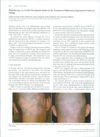
January 2010 in “Acta dermato-venereologica” Light therapy can effectively treat vitiligo and hair loss caused by a specific medication.
 July 2018 in “Journal of The American Academy of Dermatology”
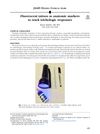
 Fluorescent tattoos are a good way to mark the scalp for hair treatments because they're accurate, invisible in normal light, and have low risk.
52 citations
,
January 2021 in “Journal of Thoracic Oncology” Effective vaccines and treatments are crucial for long-term COVID-19 control.
5 citations
,
January 2024 in “Egyptian Dental Journal /Egyptian Dental Journal” Anti-cancer drugs are diverse and hard to classify due to their different forms and actions.
5 citations
,
January 2016 in “Open Journal of Regenerative Medicine” Myoblast transplantation shows promise for treating various muscle and heart conditions.
4 citations
,
January 2020 in “Elsevier eBooks” Natural polymers can protect, repair, and promote hair regrowth.
3 citations
,
August 2023 in “Journal of Investigative Dermatology”  3 citations
,
January 2021 in “Postepy Dermatologii I Alergologii”
3 citations
,
January 2021 in “Postepy Dermatologii I Alergologii” Yes, smoking damages your skin.
1 citations
,
May 2013 in “Implant dentistry” Haircuts and medical growth factors do not cause cancer.
 June 2022 in “Genetic engineering & biotechnology news”
 A new hair loss treatment is being developed using reprogrammed stem cells to grow new hair follicles.
 March 2005 in “International Journal of Cosmetic Science”
 A new method helps understand hair shine and various products improve hair care.
 25 citations
,
January 2019 in “British Journal of Dermatology”
25 citations
,
January 2019 in “British Journal of Dermatology” Low oxygen levels can make hair-growing cells better at growing hair through a process involving reactive oxygen species.
 7 citations
,
August 2013 in “Experimental and Therapeutic Medicine”
7 citations
,
August 2013 in “Experimental and Therapeutic Medicine” 1,25-dihydroxyvitamin D3 helps melanocyte precursors from hair follicles grow and produce melanin, aiding vitiligo treatment understanding.
 14 citations
,
April 2005 in “Experimental Dermatology”
14 citations
,
April 2005 in “Experimental Dermatology” Stressed fibroblasts greatly increase melanin production in hair, skin, and eye cells, mainly due to a growth factor called bFGF.
 9 citations
,
May 2013 in “JAMA Dermatology”
9 citations
,
May 2013 in “JAMA Dermatology” A woman's hair turned white after taking a cancer drug called dasatinib.
 January 2023 in “Indian Dermatology Online Journal”
 Micropigmentation is a cosmetic tattooing technique for hiding skin issues and creating permanent makeup, but it can have side effects.
7 citations
,
September 2004 in “International Journal of Cosmetic Science” Blond hair lightens more with visible light directly, while ultraviolet light lightens it after washing by damaging other hair parts.