 4 citations
,
February 2022 in “International Journal of Molecular Sciences”
4 citations
,
February 2022 in “International Journal of Molecular Sciences” Myotonic Dystrophy may age cells faster, and drugs that target aging could be potential treatments.
 8 citations
,
March 2015 in “Neuromuscular Disorders”
8 citations
,
March 2015 in “Neuromuscular Disorders” People with Myotonic Dystrophy type 1 are more likely to have certain skin conditions, but not more likely to get skin cancer.

There is no cure for myotonic dystrophy type 1, so treatment focuses on managing symptoms and complications.
41 citations
,
July 2018 in “Frontiers in Neurology” Myotonic dystrophy may be classified as a segmental progeroid disorder.
 18 citations
,
November 2016 in “Neuromuscular Disorders”
18 citations
,
November 2016 in “Neuromuscular Disorders” Patients with myotonic dystrophy often have skin problems that suggest early aging and vitamin D issues, and the severity of these problems is linked to their genetic condition and vitamin D levels.
 August 2018 in “Journal of Investigative Dermatology”
 A woman with dermatomyositis improved after treatment for neck panniculitis, suggesting similar treatment for related conditions.
 23 citations
,
January 2015 in “Journal of The American Academy of Dermatology”
23 citations
,
January 2015 in “Journal of The American Academy of Dermatology” People with myotonic dystrophy type 1 have a higher chance of getting skin tumors, including melanoma.
 7 citations
,
June 2011 in “Movement Disorders”
7 citations
,
June 2011 in “Movement Disorders” A specific gene mutation is linked to a hereditary form of dystonia that responds well to certain medications.
 April 2018 in “Journal of Investigative Dermatology”
 The keratin network in mouse skin changes during cornification and affects the skin's protective barrier.
26 citations
,
April 2011 in “British Journal of Dermatology” New mutations in the DSG4 gene cause a rare hair condition.
 May 2022 in “Experimental dermatology”
 Trichothiodystrophy hair is structurally abnormal with protein and organization issues.
March 2020 in “Faculty Opinions – Post-Publication Peer Review of the Biomedical Literature” The dermal sheath's contraction is crucial for hair follicle regression and stem cell relocation.
 November 2024 in “Communities in ADDI (University of the Basque Country)”
 Antisense oligonucleotides show promise for treating Myotonic Dystrophy type I.
83 citations
,
May 2011 in “European Journal of Dermatology” Corneodesmosin is crucial for skin and hair health, and its dysfunction can cause skin and hair disorders.
1 citations
,
April 2007 in “PubMed” Tacrolimus helps mice grow hair by activating hair follicles.
3 citations
,
January 2017 in “Dermatology online journal” Dermoscopy helped diagnose a rare hair disorder in a 2-year-old boy.
46 citations
,
June 2013 in “Journal of structural biology” High glycine–tyrosine keratin-associated proteins help make hair strong and maintain its shape.
24 citations
,
June 2003 in “Journal of Structural Biology” Sheet formation is key to macrofibril structure differences in wool.
 5 citations
,
January 1998 in “Clinical and experimental dermatology”
5 citations
,
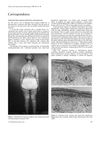
January 1998 in “Clinical and experimental dermatology” Myotonic dystrophy should be considered in patients with hair thinning, and genetic counseling is important.
13 citations
,
May 2001 in “Current problems in dermatology” Keratin proteins in epithelial cells are dynamic and crucial for cell processes and disease understanding.
 August 2019 in “Journal of Investigative Dermatology”
 Frog skin cells need the protein desmoplakin for proper development and cell layer formation.
June 2025 in “International Journal of Molecular Sciences” LncRNAs play a crucial role in muscle regulation and could help develop treatments for Duchenne muscular dystrophy.
July 2025 in “Journal of Investigative Dermatology” Androgens reduce THY1 in skin cells, leading to less fat, more fibrosis, and worse healing in males.
3 citations
,
August 2024 in “The Journal of Cell Biology” Actin filaments help stabilize and reshape cell membranes.
5 citations
,
May 2014 in “Clinical and Experimental Dermatology” Mutations in the desmoplakin gene can cause hair problems and deadly heart disease.
 1 citations
,
February 2025 in “Scientific Reports”
1 citations
,
February 2025 in “Scientific Reports” The method effectively analyzes skin tissue changes, especially in the arrector pili muscle and nerve fibers with hair follicles.
34 citations
,
December 1984 in “Journal of Cutaneous Pathology” Monilethrix hair issues are due to problems in the hair's internodes.
 2 citations
,
April 2010 in “The Open Dermatology Journal”
2 citations
,
April 2010 in “The Open Dermatology Journal” Corneodesmosin is essential for skin and hair health, and its dysfunction can lead to skin and hair disorders.
 10 citations
,
June 2011 in “Movement Disorders”
10 citations
,
June 2011 in “Movement Disorders” THAP1 gene changes do not affect DYT1 dystonia; finasteride may help reduce tics and OCD in Tourette syndrome.
January 2018 in “VCU Scholars Compass (Virginia Commonwealth University)” Desmosomes are crucial for skin and heart development, and JNK may help regulate them.