 November 2022 in “The journal of investigative dermatology/Journal of investigative dermatology”
 Deleting the CD271 gene in mouse skin cells leads to disorganized skin and increased hair growth, suggesting CD271 is important for skin health.
 August 2010 in “Journal of The American Academy of Dermatology”
 The document explains the diagnosis and characteristics of woolly hair nevus and alopecia neoplastica.
 April 2025 in “Otorhinolaryngology Clinics - An International Journal”
 Histopathological examination is crucial to avoid misdiagnosis and ensure proper treatment for skin lesions.
28 citations
,
June 1995 in “The Journal of Dermatology” The flaky skin mouse mutation is a natural model for studying human psoriasis.
8 citations
,
June 2010 in “Plastic & Reconstructive Surgery” Complete removal of scalp tumors is crucial, but malignant cases may recur or metastasize, requiring a multidisciplinary approach and close follow-up.
A rare genetic mutation causes severe immune issues, hair loss, and nail problems.
January 2007 in “Linchuang pifuke zazhi” A 15-year-old boy had a rare skin growth on his buttock.
18 citations
,
February 2001 in “Der Hautarzt” A woman with myotonic dystrophy had multiple skin tumors on her scalp, suggesting a genetic link.
8 citations
,
May 2003 in “Clinical and Experimental Dermatology” A 14-year-old girl's black hair showed unique color changes, suggesting early greying.
December 2021 in “Pathologica” Trichogerminoma is a rare, benign skin tumor from hair cells, with a small risk of becoming cancerous.
 7 citations
,
December 2008 in “Expert Review of Dermatology”
7 citations
,
December 2008 in “Expert Review of Dermatology” The document concludes that various childhood hair and nail disorders exist, some may improve on their own, and advances in genetics and immunology could enhance treatment and counseling.
8 citations
,
June 2020 in “The journal of investigative dermatology/Journal of investigative dermatology” A boy's skin fragility and sparse hair were caused by a genetic mutation affecting skin cell adhesion.
 January 2022 in “bioRxiv (Cold Spring Harbor Laboratory)”
 Skin lesions in Carney complex are likely caused by a specific group of skin cells that promote pigment production due to a genetic mutation.
7 citations
,
September 1980 in “Zoological Journal of the Linnean Society” Dendritic cells help regulate skin development and hair growth in mice.
26 citations
,
June 2004 in “Clinical Genetics” The keratin 5 mutation in a family with epidermolysis bullosa simplex was due to mosaicism, not a new mutation.
 5 citations
,
September 2015 in “Nepalese journal of ophthalmology”
5 citations
,
September 2015 in “Nepalese journal of ophthalmology” An 11-year-old girl with a rare skin disorder also had cornea issues and dry eye, needing careful management.
76 citations
,
March 2008 in “Journal of the American Academy of Dermatology” Videodermoscopy can help diagnose and monitor nail bed psoriasis.
18 citations
,
September 1994 in “Clinical and Experimental Dermatology” Localized trichorrhexis nodosa is a hair condition where hair becomes fragile and breaks easily due to damage.
 May 2015 in “Journal of The American Academy of Dermatology”
 A heart transplant patient developed a skin condition called epidermodysplasia verruciformis after taking immune-suppressing drugs.
6 citations
,
July 2017 in “Clinical and Experimental Dermatology” Four new cases confirmed the unique features of follicular porokeratosis.
 1 citations
,
February 2014 in “Hair therapy & transplantation”
1 citations
,
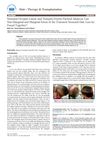
February 2014 in “Hair therapy & transplantation” A baby boy had two types of temporary hair loss at birth, which might be two forms of newborn hair loss combined.
December 2025 in “Clinical Case Reports” Netherton syndrome causes skin and hair issues, confirmed by "bamboo hair" under dermoscopy, with no cure but managed with topical treatments.
 14 citations
,
January 2015 in “Acta dermato-venereologica”
14 citations
,
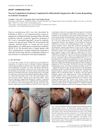
January 2015 in “Acta dermato-venereologica” Acitretin significantly reduced inflammatory attacks in a woman with Naevus Comedonicus Syndrome but caused side effects.
52 citations
,
February 2009 in “Journal of the American Academy of Dermatology” A 93-year-old woman developed a rare scalp condition after therapy, which improved with steroids, not antibiotics.
July 1974 in “Archives of dermatology” The woman's widespread skin condition did not improve despite various treatments.
 2 citations
,
February 2009 in “Clinical and Experimental Dermatology”
2 citations
,
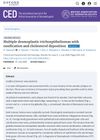
February 2009 in “Clinical and Experimental Dermatology” A man had rare skin tumors with bone formation and cholesterol deposits.
53 citations
,
September 2004 in “American journal of medical genetics. Part C, Seminars in medical genetics” Mutations in keratin genes cause cell fragility and various skin disorders.
 9 citations
,
July 2010 in “British Journal of Dermatology”
9 citations
,
July 2010 in “British Journal of Dermatology” The document suggests a rare skin condition might be caused by a genetic phenomenon.
 7 citations
,
March 2017 in “Annals of Plastic Surgery”
7 citations
,
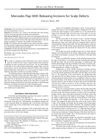
March 2017 in “Annals of Plastic Surgery” The new Mercedes flap variant effectively closed medium-sized scalp defects in a single operation with good cosmetic results and no complications.
October 2025 in “Indian Journal of Paediatric Dermatology” The infant's hair loss resolved naturally by 20 months without treatment.