 July 2018 in “Elsevier eBooks”
 Some drugs can cause reversible hair loss, but certain chemotherapy drugs may lead to permanent hair loss; drugs can also change hair color and texture.
 28 citations
,
January 2007 in “Dermatology”
28 citations
,
January 2007 in “Dermatology” Chemotherapy can cause rapid, extensive hair loss, with patterns varying between individuals.
 59 citations
,
June 2008 in “Journal of The American Academy of Dermatology”
59 citations
,
June 2008 in “Journal of The American Academy of Dermatology” The article explains the genetic causes and symptoms of various hair disorders and highlights the need for more research to find treatments.
 38 citations
,
December 2011 in “British Journal of Dermatology”
38 citations
,
December 2011 in “British Journal of Dermatology” Menopause-related hormonal changes affect hair but are not the only cause of hair changes in middle-aged women.
 30 citations
,
August 1983 in “Pediatric Clinics of North America”
30 citations
,
August 1983 in “Pediatric Clinics of North America” Most hair loss in children is caused by a few common conditions, and it's important to diagnose these properly and support the child's mental health.
 24 citations
,
November 2013 in “British Journal of Dermatology”
24 citations
,
November 2013 in “British Journal of Dermatology” Chemotherapy causes hair loss starting soon after treatment begins and recovers about 3 months after ending, while tamoxifen does not significantly affect hair growth.
 4 citations
,
November 2009 in “Medical Clinics of North America”
4 citations
,
November 2009 in “Medical Clinics of North America” Stress, nutritional issues, and chronic diseases can cause hair loss, and nail changes may signal internal diseases; treatment focuses on the underlying cause.
 3 citations
,
July 2012 in “British journal of hospital medicine”
3 citations
,
July 2012 in “British journal of hospital medicine” The guide helps clinicians diagnose and manage hair loss, detailing examination techniques and treatments for different types of alopecia.
 January 2019 in “Elsevier eBooks”
 Different hair disorders have specific treatments and outcomes, with some resolving on their own and others requiring medication or emotional support.
 40 citations
,
August 2006 in “Current Drug Safety”
40 citations
,
August 2006 in “Current Drug Safety” Some drugs can cause hair loss, excessive growth, or color changes, often reversible but sometimes permanent.
 29 citations
,
December 2016 in “The EMBO Journal”
29 citations
,
December 2016 in “The EMBO Journal” Gata6 is important for protecting hair growth cells from DNA damage and keeping normal hair growth.
 109 citations
,
December 1998 in “The Journal of Dermatology”
109 citations
,
December 1998 in “The Journal of Dermatology” Manipulating the catagen and telogen phases of hair growth could lead to treatments for hair disorders.
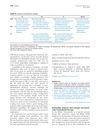 21 citations
,
March 2015 in “Journal of The American Academy of Dermatology”
21 citations
,
March 2015 in “Journal of The American Academy of Dermatology” Vemurafenib therapy can cause hair loss, but clobetasol propionate foam can help regrow hair.
 47 citations
,
April 2000 in “The American journal of pathology”
47 citations
,
April 2000 in “The American journal of pathology” Bcl-2 overexpression protects against UVB damage but worsens hair loss from chemotherapy.
 24 citations
,
December 2014 in “International Journal of Molecular Medicine”
24 citations
,
December 2014 in “International Journal of Molecular Medicine” Eclipta alba extract helps increase hair growth and decrease hair loss-related protein in mice.
 165 citations
,
June 2007 in “European Journal of Cell Biology”
165 citations
,
June 2007 in “European Journal of Cell Biology” Hair follicle stem cells are key for hair and skin regeneration, can be reprogrammed, and have potential therapeutic uses, but also carry a risk of cancer.
 1 citations
,
January 2020 in “Skin appendage disorders”
1 citations
,
January 2020 in “Skin appendage disorders” A family was found with both Trichorhinophalangeal syndrome and Loose Anagen Syndrome, suggesting a genetic connection.
60 citations
,
December 2003 in “Journal of Investigative Dermatology” K6hf is found in specific parts of hair follicles, nails, and tongue, and is linked to hair growth and structure.
 5 citations
,
September 2012 in “Journal of Investigative Dermatology”
5 citations
,
September 2012 in “Journal of Investigative Dermatology” Scientists can mimic hair disorders by altering genes in lab-grown human hair follicles, but these follicles lack some features of natural ones.
 3 citations
,
January 2012 in “Elsevier eBooks”
3 citations
,
January 2012 in “Elsevier eBooks” The document says that there are treatments for hair and nail diseases.
 January 2014 in “Journal of Investigative Dermatology”
 Proteins like aPKC and PDGF-AA, substances like adenosine and ATP, and adipose-derived stem cells all play important roles in hair growth and health, and could potentially be used to treat hair loss and skin conditions.
 102 citations
,
December 2017 in “The journal of investigative dermatology. Symposium proceedings/The Journal of investigative dermatology symposium proceedings”
102 citations
,
December 2017 in “The journal of investigative dermatology. Symposium proceedings/The Journal of investigative dermatology symposium proceedings” Restoring hair bulb immune privilege is crucial for managing alopecia areata.
 88 citations
,
June 2009 in “Cleveland Clinic Journal of Medicine”
88 citations
,
June 2009 in “Cleveland Clinic Journal of Medicine” To manage diffuse hair loss, identify the cause, improve nutrition, remove triggers, and use specific treatments like minoxidil or finasteride.
 81 citations
,
July 2011 in “Lasers in Medical Science”
81 citations
,
July 2011 in “Lasers in Medical Science” The Lexington LaserComb helped regrow hair in mice with a condition similar to human hair loss.
 47 citations
,
December 2020 in “Journal of the European Academy of Dermatology and Venereology”
47 citations
,
December 2020 in “Journal of the European Academy of Dermatology and Venereology” The document concludes that understanding and treating hair loss requires recognizing its various types and using appropriate diagnostic tools and treatments.
 24 citations
,
July 1987 in “Dermatologic Clinics”
24 citations
,
July 1987 in “Dermatologic Clinics” Systemic diseases can cause hair loss, which is often reversible with treatment.
 51 citations
,
January 2004 in “Skin Pharmacology and Physiology”
51 citations
,
January 2004 in “Skin Pharmacology and Physiology” The document explains hair growth and shedding, factors affecting it, and methods to evaluate hair loss, emphasizing the importance of skin biopsy for diagnosis.
 139 citations
,
July 1991 in “Journal of The American Academy of Dermatology”
139 citations
,
July 1991 in “Journal of The American Academy of Dermatology” Understanding hair follicle anatomy helps diagnose hair disorders.
 28 citations
,
September 1998 in “Medical Clinics of North America”
28 citations
,
September 1998 in “Medical Clinics of North America” Most hair loss can be diagnosed with patient history and physical exam, and a few common types make up most cases.
 109 citations
,
October 2007 in “Journal of pineal research”
109 citations
,
October 2007 in “Journal of pineal research” Melatonin helps regulate hair growth and protects the hair follicle from stress.