 8 citations
,
August 2013 in “Pediatric Dermatology”
8 citations
,
August 2013 in “Pediatric Dermatology” Loose Anagen Hair Syndrome is found in black-haired Indian children and is often missed, especially in boys.
 7 citations
,
June 1967 in “Journal of Investigative Dermatology”
7 citations
,
June 1967 in “Journal of Investigative Dermatology” Plucking hairs in a certain way can result in intact hair roots, not related to baldness.
 18 citations
,
January 2019 in “Experimental Dermatology”
18 citations
,
January 2019 in “Experimental Dermatology” Certain cells outside the hair follicle's bulge area can quickly regenerate damaged hair follicles, potentially helping to reduce hair loss from cancer treatments.
 22 citations
,
July 2019 in “PLOS ONE”
22 citations
,
July 2019 in “PLOS ONE” Skin lymphatic vessels are essential for hair growth.
 December 2021 in “Molecular genetics and genomics”
 Cats with abnormal hair had DSG4 gene changes causing hair problems.
 19 citations
,
November 2018 in “Nutrients”
19 citations
,
November 2018 in “Nutrients” Annurca apple extract may protect mouse hair from damage by chemotherapy and could help treat hair loss without promoting cancer growth.
 13 citations
,
March 2020 in “Genes”
13 citations
,
March 2020 in “Genes” Disrupting the FGF5 gene in rabbits leads to longer hair by extending the hair growth phase.
 1 citations
,
January 2002 in “Dermatology + psychosomatics”
1 citations
,
January 2002 in “Dermatology + psychosomatics” Most people worried about abnormal hair loss actually have psychological issues like depression or anxiety.
84 citations
,
April 2002 in “Archives of Dermatology” Loose anagen hair syndrome may be caused by keratin gene mutations.
 218 citations
,
January 2013 in “The Lancet Oncology”
218 citations
,
January 2013 in “The Lancet Oncology” Chemotherapy causes hair loss by damaging hair follicles and stem cells, with more research needed for prevention and treatment.
 17 citations
,
January 2013 in “Indian Journal of Pharmacology”
17 citations
,
January 2013 in “Indian Journal of Pharmacology” High levels of the seizure medication sodium valproate can cause hair loss.
 61 citations
,
January 2013 in “Indian Journal of Dermatology, Venereology and Leprology”
61 citations
,
January 2013 in “Indian Journal of Dermatology, Venereology and Leprology” Hair usually grows back 1-3 months after treatment for anagen effluvium, and children with Loose Anagen Hair Syndrome often improve by adolescence.
January 2020 in “Revista Dermatológica Centro Uraga” Recognizing trichoscopic features is crucial for diagnosing various hair loss conditions.
 November 2019 in “Harper's Textbook of Pediatric Dermatology”
 Understanding normal hair growth and loss in children is key to diagnosing and treating hair disorders.
 33 citations
,
March 2006 in “Seminars in cutaneous medicine and surgery”
33 citations
,
March 2006 in “Seminars in cutaneous medicine and surgery” The document explains how to identify different hair problems using a microscope.
 January 2010 in “Elsevier eBooks”
 The document concludes that different types of hair loss have specific treatments, and early diagnosis is crucial for preventing permanent hair loss.
 43 citations
,
August 2013 in “Pediatric Dermatology”
43 citations
,
August 2013 in “Pediatric Dermatology” Trichoscopy is good for diagnosing and monitoring hair and scalp problems in children but needs more research for certain conditions.
 7 citations
,
November 2013 in “Pediatric and Developmental Pathology”
7 citations
,
November 2013 in “Pediatric and Developmental Pathology” Over half of the children had abnormal hair under a microscope, with many having genetic hair conditions.
 July 2021 in “Australasian Journal of Dermatology”
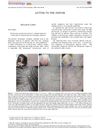
 The trichoscopy-assisted hair pull test is useful for diagnosing different types of hair loss.
 July 2018 in “Elsevier eBooks”
 The most common cause of hair loss in children is tinea capitis, followed by alopecia areata and telogen effluvium.
 April 2024 in “bioRxiv (Cold Spring Harbor Laboratory)”
 GRK2 is essential for healthy hair follicle function, and its absence can lead to hair loss and cysts.
 39 citations
,
December 2001 in “JNCI: Journal of the National Cancer Institute”
39 citations
,
December 2001 in “JNCI: Journal of the National Cancer Institute” Using a gene therapy with the Sonic Hedgehog gene helps mice regrow hair faster after losing it from chemotherapy.
18 citations
,
August 2008 in “Journal of Investigative Dermatology” 17-β estradiol and prednisolone may speed up hair regrowth after chemotherapy.
 9 citations
,
August 2006 in “American Journal of Psychiatry”
9 citations
,
August 2006 in “American Journal of Psychiatry” A woman's hair loss stopped after she stopped taking lamotrigine, suggesting it might cause hair loss.

A genetic variant in the KRT71 gene may cause loose anagen hair and wooly hair, and symptoms might improve with age.
 147 citations
,
April 1994 in “Drug Safety”
147 citations
,
April 1994 in “Drug Safety” Some drugs can cause hair loss or increase hair growth, but these effects are usually reversible when the drug is stopped.
 45 citations
,
March 2010 in “Journal der Deutschen Dermatologischen Gesellschaft”
45 citations
,
March 2010 in “Journal der Deutschen Dermatologischen Gesellschaft” A systematic approach is crucial for managing hair loss in women.
 29 citations
,
September 2012 in “Dermatologic Clinics”
29 citations
,
September 2012 in “Dermatologic Clinics” Hair disorders are caused by a complex mix of biology, genetics, hormones, and environmental factors, affecting hair growth and leading to conditions like alopecia.
 13 citations
,
July 2004 in “Skinmed”
13 citations
,
July 2004 in “Skinmed” Common types of non-scarring hair loss have various causes and treatments, but more effective solutions are needed.
 November 2025 in “International Journal of Recent Innovations in Medicine and Clinical Research”
 Understanding different types of hair loss helps in accurate diagnosis and treatment.