18 citations
,
August 2008 in “Journal of Investigative Dermatology” 17-β estradiol and prednisolone may speed up hair regrowth after chemotherapy.
June 2008 in “Experimental Dermatology” 17-beta estradiol and prednisolone may help regrow hair damaged by chemotherapy.
76 citations
,
January 2004 in “Journal of Investigative Dermatology” 25 citations
,
May 2013 in “Experimental Dermatology” Epidermal growth factor helps hair recover after chemotherapy.
 19 citations
,
May 2004 in “The American Journal of Dermatopathology”
19 citations
,
May 2004 in “The American Journal of Dermatopathology” The research found that a specific gene mutation causes fewer hair follicles and disrupted hair growth cycles, leading to thin and short hair in people with Hypotrichosis with Juvenile Macular Dystrophy.
 106 citations
,
June 2005 in “Journal of Investigative Dermatology”
106 citations
,
June 2005 in “Journal of Investigative Dermatology” The document concludes that assessing hair follicle damage due to cyclophosphamide in mice involves analyzing structural changes and suggests a scoring system for standardized evaluation.
January 2013 in “Seoul National University Open Repository (Seoul National University)” Epidermal growth factor helps hair regrow after chemotherapy.
 6 citations
,
May 1987 in “Acta dermato-venereologica”
6 citations
,
May 1987 in “Acta dermato-venereologica” Syphilis patients showed abnormal hair root changes, with no difference between primary and secondary stages.
 September 2024 in “Acta Medica Philippina”
 Radiation from a medical procedure caused temporary hair loss, but hair regrew with treatment.
 January 2023 in “Journal of Cutaneous Pathology”
 The study found certain scalp biopsy features can help tell apart alopecia areata from pattern hair loss even when typical immune cells are not seen.
36 citations
,
July 1996 in “The journal of investigative dermatology/Journal of investigative dermatology” Mice with the 'lanceolate hair' mutation have abnormal hair and skin similar to human Netherton's syndrome.
 15 citations
,
February 2015 in “Cell & tissue research/Cell and tissue research”
15 citations
,
February 2015 in “Cell & tissue research/Cell and tissue research” P-cadherin is important for hair growth and health, and its problems can cause hair and skin disorders.
 47 citations
,
April 2000 in “The American journal of pathology”
47 citations
,
April 2000 in “The American journal of pathology” Bcl-2 overexpression protects against UVB damage but worsens hair loss from chemotherapy.
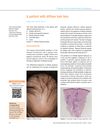 January 2015 in “Indian Dermatology Online Journal”
 The patient's hair loss is most likely due to diffuse alopecia areata.
 3 citations
,
April 2019 in “The journal of investigative dermatology/Journal of investigative dermatology”
3 citations
,
April 2019 in “The journal of investigative dermatology/Journal of investigative dermatology” ILC1 cells contribute to hair loss in alopecia areata.

TGF-β1 and FGF-18 are key in hair loss, and Minoxidil helps hair growth.
September 2019 in “Journal of Investigative Dermatology” Innate lymphoid cells type 1 may contribute to alopecia areata.
January 2000 in “Cambio 16” Bcl-2 affects hair growth and pigmentation by controlling cell death.
 September 2024 in “Journal of Anatomy and Histopathology”
 Miliacin helps damaged hair follicles grow new hair faster.
1 citations
,
August 2016 in “Journal of Investigative Dermatology” Vδ1+ T-cells in the skin contribute to hair loss in alopecia areata and could be targeted for treatment.
November 2022 in “bioRxiv (Cold Spring Harbor Laboratory)” Prostaglandin E2 helps prevent hair loss from radiotherapy by protecting hair cells.
January 1999 in “대한피부과학회지” Trichotillomania is more common in young females and often linked to stress and psychiatric conditions, with hair loss and increased catagen hair observed.
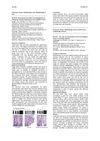 April 2018 in “Radiotherapy and Oncology”
 Prostaglandin helps regenerate hair follicles after radiation damage.
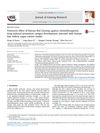 19 citations
,
July 2015 in “Journal of Ginseng Research”
19 citations
,
July 2015 in “Journal of Ginseng Research” Korean Red Ginseng may protect against hair loss caused by chemotherapy.
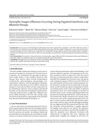 2 citations
,
March 2015 in “Hepatitis Monthly”
2 citations
,
March 2015 in “Hepatitis Monthly” A woman's hair loss during Hepatitis C treatment with PEG-INF-a-2a and Ribavirin was reversible after stopping the medication.
 124 citations
,
August 1994 in “Journal of Investigative Dermatology”
124 citations
,
August 1994 in “Journal of Investigative Dermatology” Dexamethasone speeds up hair loss in mice, while cyclosporin A slows it down.
 92 citations
,
June 2005 in “Journal of Investigative Dermatology”
92 citations
,
June 2005 in “Journal of Investigative Dermatology” All-trans retinoic acid causes hair loss by increasing TGF-β2 in hair follicle cells.
 64 citations
,
March 2005 in “Journal of Investigative Dermatology”
64 citations
,
March 2005 in “Journal of Investigative Dermatology” Brain-Derived Neurotrophic Factor (BDNF) slows down hair growth and promotes hair follicle regression.
 4 citations
,
July 2013 in “Journal of Dermatological Science”
4 citations
,
July 2013 in “Journal of Dermatological Science” Pregnancy right after giving birth in mice lacking IL-10 causes milk that leads to liver issues and hair loss in their babies.
 19 citations
,
November 2018 in “Nutrients”
19 citations
,
November 2018 in “Nutrients” Annurca apple extract may protect mouse hair from damage by chemotherapy and could help treat hair loss without promoting cancer growth.