 April 2018 in “Journal of Investigative Dermatology”
 Fetuin A, Anigozanthos Flavidus extract, and Ovol2 affect wound healing and skin regeneration.
97 citations
,
May 2019 in “Frontiers in Cell and Developmental Biology” Abnormal ECM and immune cell interactions can cause skin diseases.
February 2025 in “Biochemistry” Stem cell therapy shows promise for treating skin disorders.
 August 2024 in “Indian Journal of Skin Allergy”
 Stem-cell therapy shows promise for skin conditions but needs more research.
15 citations
,
July 2024 in “Current Issues in Molecular Biology” Understanding molecular processes in skin development is key to creating targeted treatments for skin disorders.
4 citations
,
September 2024 in “Cell Reports” Granulocyte colony stimulating factor helps heal wounds without scars.
 1 citations
,
October 2019 in “International journal of contemporary pediatrics”
1 citations
,
October 2019 in “International journal of contemporary pediatrics” A 12-year-old boy with twenty nail dystrophy, a condition affecting all nails, was treated conservatively due to its self-limiting nature and good prognosis.
 September 2016 in “Journal of dermatological science”
 Collagen XVII is crucial for skin cell growth and nail health.
 February 2009 in “Journal of The American Academy of Dermatology”
 Yellow dots look different in various hair loss conditions and can help diagnose them.
 December 2016 in “British Journal of Dermatology”
 The meeting highlighted the importance of genetic testing and multidisciplinary approaches in pediatric dermatology.
 10 citations
,
October 2017 in “Archivos Argentinos De Pediatria”
10 citations
,
October 2017 in “Archivos Argentinos De Pediatria” Most hospitalized children with skin issues were boys, with allergic skin diseases like atopic dermatitis being most common, and treatments were usually topical.
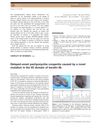 4 citations
,
December 2013 in “The Journal of Dermatology”
4 citations
,
December 2013 in “The Journal of Dermatology” A new mutation in the K6b gene caused a girl's late-appearing nail condition.
 1 citations
,
January 2013 in “Elsevier eBooks”
1 citations
,
January 2013 in “Elsevier eBooks” The document reviews various hair and nail disorders, their causes, and treatments, emphasizing the need for proper diagnosis and the link between nail changes and systemic diseases.
 6 citations
,
August 2022 in “The Italian Journal of Pediatrics/Italian journal of pediatrics”
6 citations
,
August 2022 in “The Italian Journal of Pediatrics/Italian journal of pediatrics” New genetic mutations linked to rare skin disorders were found in three newborns.
 2 citations
,
October 2015 in “Human Gene Therapy”
2 citations
,
October 2015 in “Human Gene Therapy” The congress highlighted new gene therapy techniques and cell transplantation methods for treating diseases.
1 citations
,
January 1986 in “PubMed” The boy's symptoms suggest a possible new medical condition.
40 citations
,
September 2004 in “Biomacromolecules” The Glu413Lys mutation in keratin affects hair stability, while Glu413Asp does not.
25 citations
,
March 2021 in “Australasian Journal of Dermatology” Ustekinumab successfully treated a man's resistant skin condition when other treatments failed.
32 citations
,
August 2003 in “Journal of the European Academy of Dermatology and Venereology” cGVHD often severely affects the skin, causing rapid aging and other issues.
 September 2022 in “JAAD case reports”
 The man has a genetic skin condition called pachyonychia congenita.
 October 2013 in “Journal of Investigative Dermatology”
 Collagen VII helps skin heal and stay strong, sirolimus may lower skin cancer risk in kidney transplant patients, high-molecular-mass hyaluronan helps naked mole rats resist cancer, dermal γδ T cells aid in hair growth in rodents, and overexpression of IL-33 in mouse skin causes itchiness, offering a model for studying allergic inflammation treatments.
 July 2023 in “Media Dermato Venereologica Indonesiana”
 Early diagnosis, stopping the suspected drug, and supportive care are crucial for treating Stevens-Johnson Syndrome and Toxic Epidermal Necrolysis.
 July 2023 in “Media Dermato Venereologica Indonesiana”
 Corticosteroids effectively treated a 60-year-old man's skin condition.
 January 2002 in “Dermatology + psychosomatics”
  6 citations
,
September 2015 in “Journal of Investigative Dermatology”
6 citations
,
September 2015 in “Journal of Investigative Dermatology” Using special RNA to target a mutant gene fixed hair problems in mice.
 September 2016 in “Journal of dermatological science”
 Adult skin cells can be used to create new hair in a lab.
70 citations
,
January 2014 in “International review of cell and molecular biology” Keratin proteins are crucial for healthy skin, but mutations can cause skin disorders with no effective treatments yet.
 5 citations
,
June 2016 in “TURKDERM”
5 citations
,
June 2016 in “TURKDERM” Scoring systems help doctors assess and treat skin diseases effectively.
 31 citations
,
August 2005 in “The American Journal of Dermatopathology”
31 citations
,
August 2005 in “The American Journal of Dermatopathology” The study concluded that PKP1 is essential for skin integrity and hair growth, and its dysfunction causes the symptoms of ectodermal dysplasia/skin fragility syndrome.
 147 citations
,
January 2003 in “American journal of clinical dermatology”
147 citations
,
January 2003 in “American journal of clinical dermatology” The document concludes that accurate diagnosis of ichthyosis is crucial for treatment and genetic advice, and ongoing research is needed for better therapies.