50 citations
,
February 2004 in “Genomics” A gene mutation causes lanceolate hair in rats by disrupting hair shaft integrity.
38 citations
,
December 2006 in “Journal of Investigative Dermatology” Keratin patterns in hair follicles help understand hair growth and potential hair and nail disorders.
29 citations
,
January 2013 in “The journal of investigative dermatology/Journal of investigative dermatology” P-cadherin is crucial for hair follicle pigmentation but not skin pigmentation.
 18 citations
,
October 2021 in “Frontiers in Physiology”
18 citations
,
October 2021 in “Frontiers in Physiology” Lipocalin-Type Prostaglandin D2 Synthase (L-PGDS) is a protein that plays many roles in the body, including sleep regulation, pain management, food intake, and protection against harmful substances. It also affects fat metabolism, glucose intolerance, cell maturation, and is involved in various diseases like diabetes, cancer, and arthritis. It can influence sex organ development and embryonic cell differentiation, and its levels can be used as a diagnostic marker for certain conditions.
 June 2021 in “bioRxiv (Cold Spring Harbor Laboratory)”
 Gene therapy in mice increased lifespan and improved health without causing cancer.
 November 2016 in “Therapeutic Delivery”
 New drugs for Alzheimer's and rheumatoid arthritis advanced, a Zika vaccine is in development, and there were business deals in anesthesia and oncology.
 May 2025 in “Anatolian journal of obstetrics and gynecology research.”
 Androgens affect many aspects of female health, and more research is needed to understand their roles and treatment potential.
 520 citations
,
January 2017 in “AIMS biophysics”
520 citations
,
January 2017 in “AIMS biophysics” Photobiomodulation therapy using red and near-infrared light can reduce inflammation and aid in healing various conditions.
 May 2026 in “Endocrine Connections”
 Androgenetic alopecia in PCOS is linked to insulin resistance, inflammation, and genetics, not just hormones.
31 citations
,
October 2018 in “Journal of the European Academy of Dermatology and Venereology” Trichoscopy effectively diagnoses eyebrow loss, distinguishing between alopecia areata and frontal fibrosing alopecia.
113 citations
,
June 2010 in “Biological Chemistry” Cathepsin L deficiency causes large, abnormal cell structures and health issues in mice.
6 citations
,
March 2020 in “Anais Brasileiros de Dermatologia” Thyroid disease can cause skin and hair changes, treatable with levothyroxine.
76 citations
,
January 2011 in “Indian Journal of Dermatology/Indian journal of dermatology” Dermoscopy is a useful tool for diagnosing and managing alopecia areata.
Editing the FGF5 gene in sheep increases fine wool growth.
 April 2014 in “Jurnal Biomedik : JBM”
 An 8-year-old girl had nail and hair issues that improved without specific treatment, but fungal nail infection was hard to cure.
1 citations
,
November 2025 in “Aging Cell” EDA2R is a key gene linked to ageing and diseases, and targeting it may help treat conditions like hair loss and chronic diseases.
January 2024 in “International journal of molecular sciences” Hoxc13 gene affects wool length in Gansu alpine fine-wool sheep.
 196 citations
,
June 2008 in “International Journal of Dermatology”
196 citations
,
June 2008 in “International Journal of Dermatology” Dermoscopy helps diagnose and manage alopecia areata by showing specific hair changes.
 89 citations
,
March 2018 in “The Journal of Dermatology”
89 citations
,
March 2018 in “The Journal of Dermatology” Trichoscopy helps diagnose and monitor alopecia areata by looking at a combination of specific hair and scalp features.
 July 1997 in “The Lancet”
 A new protein linked to Alzheimer's was discovered, and a hair loss treatment showed effectiveness but had some sexual side effects.
 23 citations
,
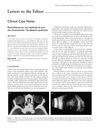
February 2004 in “Clinical and Experimental Ophthalmology”
23 citations
,
February 2004 in “Clinical and Experimental Ophthalmology” A boy with chromosome 13q deletion syndrome developed eye cancer, a woman with breast cancer lost vision due to a rare side-effect of her treatment, a man's vision worsened after using a hair loss drug, and two rare disorders were discussed. Optical Coherence Tomography is useful for diagnosing and monitoring these conditions.
 6 citations
,
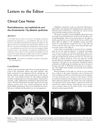
February 2004 in “Clinical and Experimental Ophthalmology”
6 citations
,
February 2004 in “Clinical and Experimental Ophthalmology” The document concludes that careful diagnosis is crucial for chromosome 13q deletion syndrome, tamoxifen can cause reversible eye damage, finasteride may be linked to cataracts, and OCT is useful for diagnosing macular diseases.
2 citations
,
June 2025 in “Journal of Investigative Dermatology” CD8+ T cells re-expressing CD45RA may predict treatment resistance in severe alopecia areata.
73 citations
,
January 2002 in “Journal of Investigative Dermatology” Epidermal stem cells don't use gap junctions to communicate.
116 citations
,
April 2020 in “Stem Cell Research & Therapy” Wharton's jelly stem cells show diverse traits and functions.
4 citations
,
October 2021 in “Journal of Clinical Medicine” Carriers of a specific gene mutation have subtle skin changes without visible symptoms.
 19 citations
,
March 1988 in “International Journal of Dermatology”
19 citations
,
March 1988 in “International Journal of Dermatology” Hair shaft dysplasias are abnormal hair conditions that can be inherited or acquired and may signal other health issues, with limited treatment options available.
May 2018 in “The journal of immunology/The Journal of immunology” Mutations in the FOXN1 gene cause severe immune issues but don't affect hair and nails.
 218 citations
,
January 2013 in “The Lancet Oncology”
218 citations
,
January 2013 in “The Lancet Oncology” Chemotherapy causes hair loss by damaging hair follicles and stem cells, with more research needed for prevention and treatment.
 23 citations
,
January 2013 in “Indian Journal of Dermatology, Venereology and Leprology”
23 citations
,
January 2013 in “Indian Journal of Dermatology, Venereology and Leprology” FPHL causes hair loss in women due to genetics and hormones; minoxidil and anti-androgens are treatments, and early intervention is advised.