 November 2023 in “British Journal of Dermatology”
 Different people with severe hair loss respond to baricitinib treatment at different times, with some showing improvement early, some gradually, and others later.
June 2016 in “Annals of the Rheumatic Diseases” Early symptoms of SLE include fatigue, joint pain, and sensitivity to sunlight.
March 2025 in “Clinical and Experimental Dermatology” Older patients without prior JAK inhibitor treatment respond best to tofacitinib for alopecia areata.
October 2025 in “Journal of Clinical Medicine” Patients with certain baseline characteristics are more likely to benefit early from baricitinib for alopecia areata.
September 2024 in “Journal of the American Academy of Dermatology” Eyebrow and eyelash regrowth usually matches scalp hair response in alopecia areata patients treated with baricitinib.
 January 2025 in “SKIN The Journal of Cutaneous Medicine”
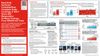
 Baricitinib significantly regrows hair in severe alopecia areata patients.
April 2023 in “Journal of Investigative Dermatology” Increased TEMRA cells can predict treatment outcomes in rapidly progressive alopecia areata.
7 citations
,
October 2024 in “Journal of the American Academy of Dermatology” Continued ritlecitinib treatment helps sustain hair regrowth in alopecia areata patients.
 10 citations
,
March 2016 in “Journal of The American Academy of Dermatology”
10 citations
,
March 2016 in “Journal of The American Academy of Dermatology” Antiandrogenic drugs could be a good treatment option for frontal fibrosing alopecia.
 March 2025 in “INTERANTIONAL JOURNAL OF SCIENTIFIC RESEARCH IN ENGINEERING AND MANAGEMENT”
 Hair health is influenced by genetics, lifestyle, and modern treatments, but practical solutions are limited.
 May 2023 in “Vestnik dermatologii i venerologii”
 Early-stage male pattern baldness shows two types of hair loss: one on the top of the head linked to hormonal changes, and another at the back of the head. The top hair loss responds well to specific treatment, while the back hair loss does not.
 6 citations
,
August 2020 in “JCRPE”
6 citations
,
August 2020 in “JCRPE” A boy with a rare form of early puberty caused by a new gene mutation responded well to treatment aimed at reducing testosterone and preserving adult height.
 August 2020 in “Nigerian journal of paediatrics”
 A 24-month-old Nigerian girl developed early puberty with no family history, needing treatment her family couldn't afford.
 2 citations
,
January 2019 in “Springer eBooks”
2 citations
,
January 2019 in “Springer eBooks” Segmental Vitiligo is a stable, early-onset form of vitiligo that responds well to early treatment and is ideal for repigmentation studies.
3 citations
,
May 2012 in “BMC Endocrine Disorders” Early diagnosis and hormone therapy can significantly improve outcomes for post-partum pituitary insufficiency in resource-limited settings.
May 2026 in “Acta Dermato Venereologica” Early treatment with JAK inhibitors leads to better hair regrowth in acute alopecia areata.
1 citations
,
September 2024 in “Porto Biomedical Journal” Early and accurate diagnosis of primary vitreoretinal lymphoma is crucial to prevent serious complications.
 January 2020 in “Sumatera Medical Journal”
 Family history and stress are linked to early hair graying, with family history being the main factor.
 December 2023 in “Revista de la Facultad de Ciencias Médicas (Quito)”
 Fever and rash can be early signs of lupus.
26 citations
,
January 1987 in “Dermatology” Topical minoxidil is safe and effective for some early male-pattern baldness cases.
 September 2017 in “Pediatric Dermatology”
 The letter agrees that adults can get contact alopecia, which improves with allergen avoidance, and stresses early diagnosis to prevent permanent hair loss.
January 2012 in “Evaluation and Analysis of Drug-Use in Hospitals of China” Finasteride works best for hair loss when started early and is effective for most people.
 16 citations
,
October 2016 in “The Journal of Dermatology”
16 citations
,
October 2016 in “The Journal of Dermatology” Superficial cryotherapy is effective and safe for treating alopecia areata, with better results when used early and frequently.
 December 2023 in “Acta dermato-venereologica”
 Tofacitinib is effective for treating alopecia areata, and starting treatment early may improve results.
 May 2016 in “Cambridge University Press eBooks”
 Eating disorders are serious, often undiagnosed conditions requiring early treatment, with anorexia being the most deadly and binge-eating the most treatable.
March 2026 in “Immunological Medicine” Janus kinase inhibitors help some people with severe alopecia areata regrow hair, but not everyone responds, and relapses can happen.
May 2025 in “Journal of the European Academy of Dermatology and Venereology” Ritlecitinib is effective for long-term hair regrowth in alopecia areata, especially in females and early treatment.
2 citations
,
January 2016 in “Journal of clinical & experimental dermatology research” Acrodermatitis Enteropathica is a rare skin condition treated effectively with zinc supplements, and early diagnosis is key.
 35 citations
,
January 2013 in “Indian Journal of Dermatology, Venereology and Leprology”
35 citations
,
January 2013 in “Indian Journal of Dermatology, Venereology and Leprology” Intralesional triamcinolone acetonide is effective for treating patchy hair loss, and dermoscopy helps detect treatment response and side effects early.
 September 2023 in “British Journal of Dermatology”
 Hair regrowth from severe alopecia areata treatment with baricitinib can vary, with faster results in those with shorter hair loss duration.