
Women with female pattern hair loss may have a higher risk of metabolic syndrome.
 May 2022 in “Journal of the Egyptian Women's Dermatologic Society (Print)”
 Women's hair loss can be due to hormonal changes and various conditions, with treatments focusing on stopping progression and managing symptoms.
 1 citations
,
December 2017
1 citations
,
December 2017 The study suggests that treating early hair loss with Nourkrin® with Marilex® can help prevent further hair loss and may be linked to reducing the risk of lifestyle diseases.
 April 2018 in “Journal of Investigative Dermatology”
 A new peptide, FOL-005, may help treat excessive hair growth by reducing a hair growth promoter, FGF7.
 December 2022 in “Cureus”
 Adult women with acne in Iraq often have more severe symptoms and hormone-related issues than younger girls with acne.
 September 2023 in “Clinical, Cosmetic and Investigational Dermatology”
 Higher SHBG levels are linked to less severe hair loss in women, but vitamin D levels don't seem to affect hair loss.
 May 2015 in “Journal of The American Academy of Dermatology”
 5% minoxidil foam helps women with thinning hair.
 43 citations
,
October 2003 in “Journal of The American Academy of Dermatology”
43 citations
,
October 2003 in “Journal of The American Academy of Dermatology” Hair transplanting is a useful, often overlooked treatment for female pattern hair loss.
 21 citations
,
December 2013 in “Archives of Dermatological Research”
21 citations
,
December 2013 in “Archives of Dermatological Research” No link found between new male baldness genes and female hair loss.
 16 citations
,
June 2008 in “Springer eBooks”
16 citations
,
June 2008 in “Springer eBooks” Over 50% of women over 50 experience hair loss, with minoxidil being the only proven effective treatment.
 6 citations
,
January 2010 in “Springer eBooks”
6 citations
,
January 2010 in “Springer eBooks” SA linked to mitochondrial issues and oxidative stress, while AGA involves disrupted hair growth genes.
 25 citations
,
July 2013 in “Journal of Dermatological Science”
25 citations
,
July 2013 in “Journal of Dermatological Science” Six new hair loss factors in men not linked to female hair loss.
 5 citations
,
January 2016 in “Dermatology”
5 citations
,
January 2016 in “Dermatology” No significant link between CAG repeat numbers and female pattern hair loss in Han Chinese population.
 46 citations
,
October 2012 in “Dermatologic Clinics”
46 citations
,
October 2012 in “Dermatologic Clinics” Female pattern hair loss diagnosed by scalp appearance, treated with combined therapies and targeted approaches.
 40 citations
,
December 2011 in “British Journal of Dermatology”
40 citations
,
December 2011 in “British Journal of Dermatology” Women's hair generally gets thinner and less dense starting in their mid-thirties, with hair loss becoming more common as they age due to both genetics and environment.
 15 citations
,
June 2011 in “British Journal of Dermatology”
15 citations
,
June 2011 in “British Journal of Dermatology” No link found between aromatase gene and female hair loss.
 8 citations
,
January 2020 in “Skin appendage disorders”
8 citations
,
January 2020 in “Skin appendage disorders” Saw palmetto supplements may modestly improve hair regrowth with few side effects, but more research is needed.
 2 citations
,
January 2020 in “International Journal of Medical Sciences”
2 citations
,
January 2020 in “International Journal of Medical Sciences” Avoid alcohol, ponytails, and oily scalp, and get good sleep to prevent severe hair loss.
 1 citations
,
January 2012 in “International Journal of Trichology”
1 citations
,
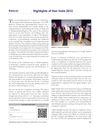
January 2012 in “International Journal of Trichology” Hair India 2012 was a successful international event focused on combating fake trichology practices and discussing various hair health topics.
 September 2003 in “Clinics in Family Practice”
 Different hair diseases affect people during childbearing years, with treatments ranging from medication to psychological support.
 January 2014 in “Journal of Pigmentary Disorders”
 Women's hair gets thinner and grayer as they age, with treatments available for hair loss and graying.
 54 citations
,
January 2005 in “Journal of The American Academy of Dermatology”
54 citations
,
January 2005 in “Journal of The American Academy of Dermatology” Most patients with chronic hair shedding did not progress to permanent hair loss, and one showed improvement with treatment.
 15 citations
,
January 2019 in “International Journal of Women's Dermatology”
15 citations
,
January 2019 in “International Journal of Women's Dermatology” Early treatment helps stop hair loss in women of color.
 14 citations
,
January 2015 in “Current problems in dermatology”
14 citations
,
January 2015 in “Current problems in dermatology” Female pattern hair loss treatments vary in effectiveness and may have side effects.
 8 citations
,
August 2014 in “Clinical and Experimental Dermatology”
8 citations
,
August 2014 in “Clinical and Experimental Dermatology” CTE and FPHL are different hair loss types with unique causes.
 87 citations
,
March 2011 in “Australasian Journal of Dermatology”
87 citations
,
March 2011 in “Australasian Journal of Dermatology” Genetics and hormones play a role in male and female hair loss, but more research is needed to fully understand it.
 2 citations
,
June 2011 in “Expert Review of Dermatology”
2 citations
,
June 2011 in “Expert Review of Dermatology” Female pattern hair loss involves thinning hair on crown and frontal scalp, diagnosed by hair ratio, and treated with minoxidil, antiandrogens, or hair transplantation.
 15 citations
,
July 2020 in “Dermatologic Therapy”
15 citations
,
July 2020 in “Dermatologic Therapy” FPHL is common in women, influenced by genetics and hormones, and can be treated with medications, laser therapy, or hair transplantation.
 July 2015 in “Cambridge University Press eBooks”
 The document concludes that treatments for female hair loss and excess body hair are available, but managing expectations is important.
 77 citations
,
April 2009 in “British Journal of Dermatology”
77 citations
,
April 2009 in “British Journal of Dermatology” Aromatase gene variation may increase female hair loss risk.