
A genetic mutation in the EDA gene causes hypohidrotic ectodermal dysplasia in cats.
 18 citations
,
December 2006 in “Clinical dysmorphology”
18 citations
,
December 2006 in “Clinical dysmorphology” A 2-year-old boy with a rare brain malformation may have Gomez–López-Hernández syndrome.
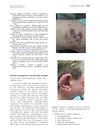
A 72-year-old man was diagnosed with a rare skin form of Rosai-Dorfman disease after years of misdiagnosis.
2 citations
,
January 1989 in “The Nishinihon Journal of Dermatology” Seborrheic keratosis likely originates from the upper regions of hair follicles.
 January 2018 in “Springer eBooks”
 Congenital triangular alopecia is a harmless, non-spreading hair loss condition often seen in young children.
Hedgehog signaling can create new hair follicles in adult skin but may increase cancer risk.
 April 2025 in “Veterinary Dermatology”
 Dermoscopy is useful for identifying skin lesions in dogs, with specific features distinguishing infundibular keratinising acanthomas from follicular cysts.
 22 citations
,
December 2003 in “Veterinary clinical pathology”
22 citations
,
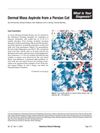
December 2003 in “Veterinary clinical pathology” The Persian cat has a skin infection caused by a fungus, treatable with antifungal medication.
1 citations
,
April 2022 in “Clinical Cosmetic and Investigational Dermatology” Topical treatment improved rare scalp lichen amyloidosis.
 June 2023 in “British Journal of Dermatology”
 The protein called small nuclear ribonucleoprotein polypeptide E is identified as a cause of a type of hair loss without other symptoms.
 2 citations
,
April 2022 in “PubVet”
2 citations
,
April 2022 in “PubVet” The cat's skin condition improved significantly with medication, with no relapse.
 15 citations
,
December 2014 in “PLoS ONE”
15 citations
,
December 2014 in “PLoS ONE” A mutation in the iRhom2 gene causes hairless mice due to abnormal hair follicle development.
Hedgehog signaling can create new hair follicles but may also cause tumors.
Skin cells can naturally limit the growth of cancerous changes by balancing cell renewal and differentiation.
 8 citations
,
November 1990 in “Archives of Dermatology”
8 citations
,
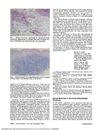
November 1990 in “Archives of Dermatology” A woman with EMS showed unusual skin mucinosis without the typical hard skin syndrome, suggesting EMS can cause skin mucinosis.
Trichodysplasia spinulosa can occur after a heart transplant due to immunosuppressive drugs.

Benign ovarian tumors can cause excess male hormones and related conditions in postmenopausal women.
 August 2023 in “British journal of dermatology/British journal of dermatology, Supplement”
 Rubbing or pressing on the face can cause small bumps, and changing posture along with certain creams can improve them.
 September 2023 in “Journal of the American Academy of Dermatology”
 Children with alopecia areata, especially with Down syndrome or thyroid issues, should be screened for thyroid disease.
20 citations
,
August 2003 in “Clinical and Experimental Dermatology” A new genetic mutation in the hairless gene causes a rare hair loss disorder.
 January 2020 in “Journal of oral medicine and oral surgery”
 Hair grew in a man's mouth due to a rare condition called heterotopia.
October 2024 in “Indian Journal of Dermatology” Early biopsy is crucial for diagnosing rare skin sarcoidosis, improving treatment.
 19 citations
,
September 2014 in “JAMA Dermatology”
19 citations
,
September 2014 in “JAMA Dermatology” Eosinophilic infiltrate is not a reliable indicator for diagnosing chronic alopecia areata.
13 citations
,
January 2010 in “PubMed” April 2012 in “Cancer Research” EGFR deficiency in skin causes hair follicle issues and inflammation.
7 citations
,
August 2008 in “Immunogenetics” A gene mutation in mice causes increased mast cells and disorganized hair follicles in their skin.
24 citations
,
June 2012 in “Journal of Feline Medicine and Surgery” Devon Rex cats with skin issues were successfully treated with antifungal medication.
August 2017 in “Journal of pediatric surgery case reports” A toddler with a rare adrenal gland tumor causing male-like physical changes was successfully treated with surgery.
2 citations
,
September 2017 in “Journal of Zoo and Wildlife Medicine” An addax had skin cancer that spread to lymph nodes and was euthanized.
 April 2023 in “Journal of Investigative Dermatology”
 Mutations in the SHH pathway in certain skin cells can cause skin tumors and abnormal hair growth.