July 2023 in “Clinical Cosmetic and Investigational Dermatology” Accurate diagnosis of granular parakeratosis is crucial for effective treatment and improvement.
2 citations
,
August 2022 in “Animals” Different versions of the KRTAP6-2 gene in goats can lead to thinner cashmere fibers.
7 citations
,
January 2022 in “Brazilian Journal of Biology” Mangabeira leaf extract is effective for making antioxidant-rich shampoos.
 30 citations
,
August 2010 in “American Journal of Clinical Dermatology”
30 citations
,
August 2010 in “American Journal of Clinical Dermatology” Cetuximab can cause eyelash growth, which is rare but manageable.
Some goats get rare skin diseases from not enough vitamin E, selenium, or zinc, but they're usually still healthy.
 7 citations
,
January 2003 in “Nippon Ishinkin Gakkai Zasshi”
7 citations
,
January 2003 in “Nippon Ishinkin Gakkai Zasshi” The girl's scalp infection healed well with terbinafine treatment.
 July 2026 in “Zenodo (CERN European Organization for Nuclear Research)”
 Biochanin A from soy is a promising and safe candidate for treating hair loss.
January 2024 in “Elsevier eBooks”  April 2024 in “Jurnal Agroindustri Halal/Jurnal agroindustri halal”
 The hair tonic with the highest seaweed extract content showed the best hair growth results.
August 2015 in “Bangladesh Journal of Pharmacology” Eclipta alba has a genome size of 4.27 billion base pairs, and Aloe barbadensis has 4.42 billion base pairs.
 April 2025 in “Research Square (Research Square)”
 Hemp seed exosomes may help prevent hair loss caused by DHT.
 8 citations
,
July 2011 in “Animal science journal”
8 citations
,
July 2011 in “Animal science journal” Keratin 33A is a key protein in goat winter coats, especially in high-producing breeds.
Genetic mutations linked to ectodermal dysplasias and hair loss were identified in Pakistani families.
January 2019 in “Prosiding Program Kreativitas Mahasiswa” A 15% pea extract hair tonic effectively promotes hair growth and combats hair loss.
9 citations
,
September 2019 in “PLoS ONE” K42 and K124 keratins are only found in horse hoof lamellae.
January 2021 in “대한본초학회지(본초분과학회지)” ECS may help treat hair loss by promoting hair cell growth.
January 2004 in “Indian Journal of Nephrology”  May 2026 in “Open Science Framework”
 Biochanin A from soy is a promising and safe candidate for treating hair loss.
 19 citations
,
September 2014 in “JAMA Dermatology”
19 citations
,
September 2014 in “JAMA Dermatology” Eosinophilic infiltrate is not a reliable indicator for diagnosing chronic alopecia areata.
64 citations
,
April 1992 in “Differentiation” Sciellin is a protein that helps form protective layers in skin, hair, and nails.
3 citations
,
November 2024 in “Viruses” Cepharanthine may help treat Equid herpesvirus type 8 by reducing oxidative stress.
 August 2025 in “Fabad Journal of Pharmaceutical Sciences”
 Cuscuta reflexa has potential medicinal benefits but needs more research for clinical use.
October 2025 in “OPAL (Open@LaTrobe) (La Trobe University)” Early genetic testing and zinc therapy are crucial for managing acrodermatitis enteropathica in infants.
 July 2024 in “International Journal of Ayurvedic Medicine”
 Certain compounds from Kushtakudori ennai may help treat hair loss.
 September 2024 in “Frontiers in Veterinary Science”
 A simple enrichment program improves health and reproduction in Calomys callosus.
May 2026 in “Animal Bioscience” m6A-circHECA helps stem cells become hair follicles in cashmere goats.
 August 2025 in “JEADV Clinical Practice”
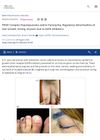
 PRIDE complex side effects from EGFR inhibitors can be managed without stopping treatment.
January 2024 in “Acta dermato-venereologica” 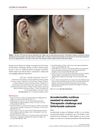 6 citations
,
June 2008 in “Journal of the European Academy of Dermatology and Venereology”
6 citations
,
June 2008 in “Journal of the European Academy of Dermatology and Venereology” A man with Acrodermatitis continua did not get better with etanercept treatment, and his condition worsened, suggesting treatment effectiveness may vary by genetics and race.
 September 2019 in “Journal of Investigative Dermatology”
 Targeted therapy with Ustekinumab significantly improved a skin condition called ILVEN, which is caused by mutations in the CARD14 gene.