 2 citations
,
January 2020 in “Journal of Pharmacognosy and Phytochemistry”
2 citations
,
January 2020 in “Journal of Pharmacognosy and Phytochemistry” Eclipta alba may help with hair growth, memory, and various health issues.
30 citations
,
March 2007 in “Expert opinion on drug safety” Cetuximab often causes skin rashes, and managing these is important for cancer treatment.
 May 2026 in “Jurnal Riset Kefarmasian Indonesia”
 Robusta coffee beans have high caffeine content, useful for products like hair growth stimulants.
2 citations
,
January 2016 in “Journal of clinical & experimental dermatology research” Acrodermatitis Enteropathica is a rare skin condition treated effectively with zinc supplements, and early diagnosis is key.
January 2013 in “Heilongjiang xumu shouyi” Researchers cloned a gene from Xinjiang fine-wool sheep, finding it very similar to other sheep and somewhat similar to goats, humans, and rabbits.
 1 citations
,
May 2023 in “Jurnal Farmasi Galenika (Galenika Journal of Pharmacy) (e-Journal)”
1 citations
,
May 2023 in “Jurnal Farmasi Galenika (Galenika Journal of Pharmacy) (e-Journal)” Traditional herbs in Amarasi may help with dandruff and hair loss.
 April 2019 in “Journal of Medical Science And clinical Research”
 The grey patch variant of tinea capitis is most common, mainly spread through family and animals.
1 citations
,
January 2021 in “Clinical case reports” The Hotz-Celsus surgery successfully fixed inward-turning eyelids in cattle.
 7 citations
,
January 2017 in “Skin Pharmacology and Physiology”
7 citations
,
January 2017 in “Skin Pharmacology and Physiology” ECOHAIR® lotion is effective and safe for improving hair growth and reducing hair loss.
A Moroccan athlete got a rare scalp infection, stressing the need for better hygiene in sports.
3 citations
,
January 2013 in “Türk veterinerlik ve hayvancılık dergisi/Turkish journal of veterinary and animal sciences” A cat in Turkey had Ehlers-Danlos syndrome, showing very stretchy skin and easy bruising.
April 2015 in “Our Dermatology Online” Zinc supplements and diet changes can effectively treat zinc deficiency and prevent complications.
June 2005 in “Journal of Investigative Dermatology” A bull with a gene mutation was asymptomatic, synthetic retinoids cause hair loss, and new therapeutic targets were identified for skin diseases.
4 citations
,
January 2019 in “Indian Dermatology Online Journal” The term "Porokeratotic Adnexal Ostial Nevus" is suggested as a more appropriate name.
 February 2025 in “Applied Sciences”
 Scenedesmus deserticola JD052 extracts may help hair growth and could be a natural treatment for hair loss.
 24 citations
,
April 2005 in “The Journal of Dermatology”
24 citations
,
April 2005 in “The Journal of Dermatology” Putting ketoconazole on the skin can help mice grow hair.
 10 citations
,
June 2021 in “Primates”
10 citations
,
June 2021 in “Primates” Wild geladas in crop areas show less grooming and aggression.
13 citations
,
November 2018 in “Animal Genetics” A new gene variant causes curly coats in some dog breeds.
9 citations
,
November 2022 in “Biology” Key genes and pathways influence wool traits in Merino sheep.
 3 citations
,
June 2017 in “Journal of Biomaterials Applications”
3 citations
,
June 2017 in “Journal of Biomaterials Applications” Keratin extract from human hair was found to promote hair growth in mice.

Purwaceng extract in shampoo is stable, safe, and beneficial for hair health.
 5 citations
,
January 2017 in “Anais brasileiros de dermatologia/Anais Brasileiros de Dermatologia”
5 citations
,
January 2017 in “Anais brasileiros de dermatologia/Anais Brasileiros de Dermatologia” Porokeratotic eccrine and hair follicle nevus is a very rare skin disorder possibly caused by a GJB2 gene mutation.
April 2019 in “Agriculture and natural resources” 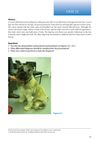 May 2019 in “Small Animal Dermatology”
 The dog had sebaceous adenitis, treated with ciclosporin, leading to some hair regrowth.
New treatments for skin conditions show promise, especially Coacillium® for hair growth in young people with alopecia areata.
 2 citations
,
January 2024 in “Journal of Pharmacognosy and Phytochemistry”
2 citations
,
January 2024 in “Journal of Pharmacognosy and Phytochemistry” Teak has valuable compounds for medicine, cosmetics, and industry, with potential in cancer treatment and biodiesel production.
 1 citations
,
January 2010 in “Journal of Oriental Medicine”
1 citations
,
January 2010 in “Journal of Oriental Medicine” Black bean, wheat, and rice bran extracts can boost hair growth and improve hair quality.
 1 citations
,
October 2018 in “International research journal of pharmacy”
1 citations
,
October 2018 in “International research journal of pharmacy” Rampai leaves extract can significantly stimulate hair growth.
4 citations
,
July 2024 in “Animals” The KRTAP19-5 gene affects wool curvature in Chinese Tan sheep, with Variant B reducing curvature.