 April 2016 in “Journal of Investigative Dermatology”
 Blocking Prostaglandin D₂ (PGD₂) could help treat hair loss.
 April 2016 in “Journal of Investigative Dermatology”
 Gypenosides from Gynostemma pentaphyllum were found to have anti-aging effects, increasing skin collagen and reducing wrinkles.
 April 2016 in “Journal of Investigative Dermatology”
 Lithocholic acid helps hair growth and regeneration in alopecia by activating vitamin D receptors.
 January 2016 in “Research Explorer (The University of Manchester)”
 Activating the Eda/Edar pathway improves wound healing by enhancing hair follicle growth.
 July 2015 in “Cambridge University Press eBooks”
 The document concludes that treatments for female hair loss and excess body hair are available, but managing expectations is important.
 April 2015 in “Andrology”
 HNG may help prevent the negative effects of chemotherapy on sperm production and white blood cell counts.
 January 2015 in “Dermatology”
 The document covers various dermatological treatments and conditions.
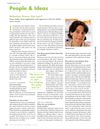 November 2014 in “Journal of Cell Biology”
 Valentina Greco's research shows that the environment around hair follicle stem cells is more crucial for regeneration than the stem cells themselves.
 August 2014 in “Warwick Research Archive Portal (University of Warwick)”
 Obesity negatively affects the endometrium, leading to higher miscarriage risk and impaired cell function.
 March 2014 in “Fertility and Sterility”
 The April 2014 issue of "Fertility and Sterility" discussed various reproductive health topics, including hormone therapy benefits, sperm and genetic factors in male infertility, and the link between PCOS and diabetes.
 January 2014 in “Durham e-Theses (Durham University)”
 Notch1 helps skin heal by attracting cells that aid repair.
 January 2014 in “Side effects of drugs annual”
 Exposure to certain sex hormones can increase health risks, while some hormone therapies may offer benefits for specific conditions.
 January 2014 in “Journal of Clinical and Investigative Dermatology”
 Young rats are better for testing hair loss treatments after chemotherapy.
 December 2013 in “Research Portal (King's College London)”
 Hair loss in Lichen Planopilaris is caused by immune system issues damaging hair follicles and stem cells.

Chemotherapy can cause skin issues and hair loss, and this guide explains how to manage them.
 September 2013 in “Experimental Dermatology”
 The document concluded that stem cells are crucial for skin repair, regeneration, and may help in developing advanced skin substitutes.
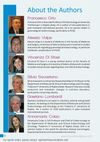
The document concludes that accurate diagnosis and management of PCOS are crucial due to its associated health risks.
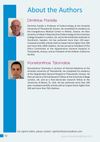
Metformin is safe in early pregnancy for women with PCOS and may reduce certain risks.
 October 2012 in “Semina. Ciências Agrárias”
 A Shi Tzu dog with high cortisol levels improved after increasing the dose of trilostane.
 June 2012 in “Springer eBooks”
 Eating disorders can cause various hair problems, and while hair loss in these disorders is linked to metabolic syndrome, treatment focuses on specific medications and lifestyle changes for the syndrome.

Hair follicles can be used to quickly assess drug effects in cancer treatment.
 January 2012 in “Durham e-Theses (Durham University)”
 Keratin 15 affects cell behavior and characteristics in skin cells.
 December 2011 in “Ophthalmology”
 Demodex may be linked to blepharitis, and treatments like tea tree oil and ivermectin can help.
 August 2010 in “Springer eBooks”
 Hormonal contraceptives are effective for teens but require careful consideration of side effects and individual health.
 November 2009 in “Regenerative Medicine”
 The regenerative medicine industry saw business growth with new partnerships, clinical trials, and financial investments.
 April 2008 in “Medical & surgical dermatology”
 Certain hairstyles can cause scalp diseases, smoking is linked to hair loss, 5% minoxidil foam is effective for hair loss treatment, and various factors influence wound healing and hair growth.
 June 2006 in “British Journal of Dermatology”
 The document reports unique growth lines in a child after Stevens-Johnson syndrome, skin reaction from parsnips and sun in a girl, and itchy skin with xanthomas in a boy with Alagille syndrome.
 June 2006 in “Experimental Dermatology”
 Understanding skin patterns can help us learn about skin diseases and their treatments.
 January 2006 in “Advances in developmental biology”
 The Hairless gene is crucial for healthy skin and hair growth.
 September 2004 in “Experimental dermatology”
 Melatonin directly affects mouse hair follicles and may influence hair growth.