 1 citations
,
September 2019 in “Journal of Investigative Dermatology”
1 citations
,
September 2019 in “Journal of Investigative Dermatology” The research showed that CRISPR/Cas9 can fix mutations causing a skin disease in stem cells, which then improved skin grafts in mice, but more work on safety and efficiency is needed.
 December 2024 in “Journal of General-Procedural Dermatology & Venereology Indonesia”
 Coix seed extract helped resolve onycholysis in an elderly woman.
 18 citations
,
February 2025 in “Drug Delivery and Translational Research”
18 citations
,
February 2025 in “Drug Delivery and Translational Research” The microneedle patches effectively treat allergic conjunctivitis with controlled, sustained release of medication.
July 2025 in “Journal of Investigative Dermatology” Hhip-Cre effectively targets dermal papilla cells for gene manipulation in hair biology.
 March 2024 in “Journal of cosmetic dermatology”
 Platelet-rich plasma (PRP) is an effective treatment for lichen planopilaris.
 March 2026 in “South Asian Research Journal of Medical Sciences”
 Removing keratin plugs and ingrown hairs improved scalp inflammation.
February 2022 in “Authorea (Authorea)” PAON shows skin patterns due to genetic mosaicism.

Early diagnosis and lifelong zinc supplementation are crucial for treating acrodermatitis enteropathica effectively.
 February 2023 in “JAAD case reports”
 Reducing immunosuppression and using antiviral creams improved the woman's skin condition.
 December 2025 in “Cureus”
 Zinc supplements effectively treat inherited zinc deficiency in infants.
101 citations
,
October 2007 in “Journal of Biological Chemistry” Reduced matriptase activity causes skin and hair issues in both humans and mice.
13 citations
,
March 2011 in “Acta Paediatrica” Tinea capitis needs systemic treatment to avoid severe outcomes.
May 2025 in “International Journal of Trichology” Oral Acitretin effectively resolved symptoms in a child with Netherton syndrome.
January 2024 in “SAGE Open Medical Case Reports” The brothers have congenital ichthyosis, and the older brother's eye issues are due to different genetic mutations.
1 citations
,
May 2024 in “Dermatology Online Journal” Scalp pemphigus vulgaris can be effectively treated with low-dose prednisone and triamcinolone.
 April 2016 in “Journal of Investigative Dermatology”
 Phenylephrine may help prevent hair loss from pulling on the hair roots.
 January 2026 in “GSC Biological and Pharmaceutical Sciences”
 Adapalene, Diosmin, and Azelastine could be repurposed to treat onchocerciasis.
 May 2017 in “Journal of The American Academy of Dermatology”
 An intact skin barrier is crucial to prevent infection in cases of tether-induced tenosynovitis.
22 citations
,
November 1979 in “Archives of dermatology” A woman with Fox-Fordyce disease had symptom relief using tretinoin cream.
 1 citations
,
December 2018 in “Journal of genetic medicine”
1 citations
,
December 2018 in “Journal of genetic medicine” A small change in the TRPS1 gene leads to a less severe form of a syndrome affecting hair, nose, and finger development.
2 citations
,
April 2022 in “Medicine” A Chinese boy's scalp infection from a guinea pig was cured with medication.
24 citations
,
February 2011 in “The American journal of pathology” AIRE protein, defective in APECED patients, is found in skin and hair cells and interacts with cytokeratin 17.
September 2025 in “BMJ Case Reports” Platelet-rich plasma therapy may rarely trigger herpes zoster ophthalmicus.
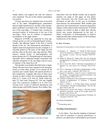 January 1999 in “Journal of the European Academy of Dermatology and Venereology”
 RAPK is a rare skin disorder with pigmented spots, mainly on hands and feet, starting in youth.
1 citations
,
February 2023 in “Pediatric Dermatology” Early recognition of symptoms is crucial for treating IPEX syndrome with a stem cell transplant.
7 citations
,
October 2012 in “Anais Brasileiros de Dermatologia” A patient had both white piedra and head lice, showing their differences.
8 citations
,
January 2011 in “International journal of trichology” Accurate diagnosis of APL is crucial to avoid unnecessary treatments.
16 citations
,
April 2000 in “Journal of Investigative Dermatology” The AVET system effectively delivers genes to human keratinocytes and may help treat skin diseases.
9 citations
,
January 2013 in “BioMed research international” The conclusion suggests a new acne treatment that controls bacteria by reducing water in the skin's pores using sugar-like substances.
16 citations
,
April 2000 in “Contact dermatitis” A man developed severe skin reactions after using a treatment for hair loss.