 4 citations
,
December 2013 in “The Journal of Dermatology”
4 citations
,
December 2013 in “The Journal of Dermatology” A new mutation in the K6b gene caused a girl's late-appearing nail condition.
1 citations
,
January 2008 41 citations
,
January 2006 in “Dermatology” Noncultured epidermal cell transplantation is effective for repigmenting stable vitiligo.
 16 citations
,
October 2014 in “Journal of the American Academy of Dermatology”
16 citations
,
October 2014 in “Journal of the American Academy of Dermatology” Oral retinoids may help some patients with hard-to-treat lichen planopilaris, but more research is needed.
A woman developed folliculitis after taking acitretin for psoriasis, which was treated with skin dressing and antibiotics.
 July 2023 in “Dermatology Practical & Conceptual”
 A positive anagen pull test can help detect active Lichen Planopilaris.
January 2015 in “International Journal of Clinical & Medical Imaging” Recognizing erosive pustular dermatosis of the scalp is crucial to avoid misdiagnosis.
January 2020 in “Työväentutkimus Vuosikirja” Corneal health relies on cell migration and cooperation with the lacrimal gland, not Bmi1+ cells, and Eda gene mutations can cause dry eye disease.
97 citations
,
January 1999 in “International Journal of Dermatology” Pityriasis rubra pilaris is a rare skin disorder with reddish-orange patches and thickened skin, needing better treatment understanding.
 67 citations
,
October 1997 in “Dermatologic Surgery”
67 citations
,
October 1997 in “Dermatologic Surgery” The EpiLight Hair Removal System removed about 60% of hair with some side effects, and more research is needed to confirm long-term effectiveness.
 10 citations
,
January 2010 in “Acta dermato-venereologica”
10 citations
,
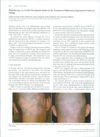
January 2010 in “Acta dermato-venereologica” Light therapy can effectively treat vitiligo and hair loss caused by a specific medication.
 September 2025 in “Annals of Plastic Surgery”
 Inverted follicular keratosis on the eyelid can be cured with surgery and has a great prognosis.

Injecting a person's own skin cells back into their skin is a promising, safe, and affordable treatment for skin disorders.
 June 2023 in “Antioxidants”
 Lipids from Schizochytrium sp. help prevent hair loss by protecting hair cells from damage and promoting hair growth.
7 citations
,
November 2018 in “Plastic Surgery” The Mitek Microfix QuickAnchor is effective and safe for endoscopic brow lifts.
 30 citations
,
April 2017 in “European Journal of Cell Biology”
30 citations
,
April 2017 in “European Journal of Cell Biology” CIP/KIP proteins help stop cell division and support hair growth.
30 citations
,
February 1996 in “Journal of Investigative Dermatology” 14 citations
,
August 2014 in “Journal of the American Academy of Dermatology” Diphenylcyclopropenone (DPCP) is effective in treating alopecia areata, with most patients showing significant hair regrowth.
25 citations
,
January 2006 in “Journal of the European Academy of Dermatology and Venereology” A new technique effectively treats and diagnoses eruptive vellus hair cysts without recurrence.
 1 citations
,
January 2020 in “Turk Dermatoloji Dergisi”
1 citations
,
January 2020 in “Turk Dermatoloji Dergisi” A woman developed a skin condition called Pemphigus Vulgaris after a treatment to help with hair loss.
20 citations
,
December 2021 in “Journal of the American Academy of Dermatology” Continuous treatment with ritlecitinib and brepocitinib is needed to maintain hair regrowth in alopecia areata.
June 2026 in “Chemical Engineering Journal”  16 citations
,
March 2013 in “The Journal of Dermatology”
16 citations
,
March 2013 in “The Journal of Dermatology” Low TRPS1 expression in skin and hair cells is linked to hair problems in Trichorhinophalangeal syndrome.
 December 2015 in “Dermatologic Surgery”
 Double trichophytic closure effectively repairs thin scalp scars, reducing financial burden.
1 citations
,
October 2025 in “Journal of Dermatological Treatment” Dupilumab improves eczema in Netherton Syndrome but not ichthyosis linearis circumflexa.
October 2017 in “Our Dermatology Online” DCP in isopropanol is better tolerated for treating alopecia areata.
June 2019 in “Problems of Cryobiology and Cryomedicine” 20 citations
,
April 2009 in “Cell Biology International” Hair follicle stem cells can become corneal-like cells with the help of pax6.
February 2026 in “Journal of Cosmetic Dermatology” Polynucleotide injections improved eye wrinkles with few side effects.
8 citations
,
August 2018 in “Journal of Investigative Dermatology”