 15 citations
,
January 2014 in “Dermatology”
15 citations
,
January 2014 in “Dermatology” Some patients treated with peginterferon and ribavirin for chronic hepatitis C had mild to moderate skin reactions, but treatment did not need to be stopped.
36 citations
,
May 2005 in “BMC dermatology” DPCP is effective for treating severe alopecia areata, but relapse is common.
 13 citations
,
January 1988 in “Contact Dermatitis”
13 citations
,
January 1988 in “Contact Dermatitis” Some patients using Minoxidil for baldness developed allergic skin reactions.
 8 citations
,
September 2004 in “Contact dermatitis”
8 citations
,
September 2004 in “Contact dermatitis” Avoiding dyed wigs and clothing improved severe allergic reactions in a woman treated with diphencyprone.
 16 citations
,
February 2019 in “Pediatric Blood & Cancer”
16 citations
,
February 2019 in “Pediatric Blood & Cancer” Most children with CNS tumors on targeted therapy had skin reactions, which were generally treatable without stopping the therapy.
 November 2024 in “Cureus”
 Scalp edema may be a new variant of conditions reacting to scarring alopecia like LPP.
Visible lesions are not always needed to diagnose tinea capitis.

Hair care products often cause allergic skin reactions, so testing and new treatments are important.
 August 2007 in “Contact Dermatitis”
 A woman had an allergic skin reaction to a hair loss treatment containing canrenone.
 7 citations
,
March 2019 in “Journal of The European Academy of Dermatology and Venereology”
7 citations
,
March 2019 in “Journal of The European Academy of Dermatology and Venereology” A man developed a skin reaction from metronidazole, which improved after stopping the drug and starting steroids.
 6 citations
,
November 1993 in “Contact dermatitis”
6 citations
,
November 1993 in “Contact dermatitis” Spironolactone in anti-acne cream can cause allergic skin reactions in some people.
 November 2013 in “Annales de Dermatologie et de Vénéréologie”
 Cinnamon essential oil can cause severe or unusual skin reactions, with cinnamaldehyde being the main allergen.
 2 citations
,
November 2018 in “JAAD case reports”
2 citations
,
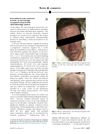
November 2018 in “JAAD case reports” Drinking kava tea can cause a skin reaction with red, swollen bumps, which may improve with steroids.
 1 citations
,
July 2023 in “Cancers”
1 citations
,
July 2023 in “Cancers” Skin side effects from CDK4/6 inhibitors in breast cancer patients are generally mild and treatable, allowing most patients to continue treatment.
 21 citations
,
June 2017 in “Journal of The American Academy of Dermatology”
21 citations
,
June 2017 in “Journal of The American Academy of Dermatology” Topical DPCP is somewhat effective for hair loss in alopecia areata, but more research is needed.
22 citations
,
March 1999 in “International Journal of Clinical Practice” Diphencyprone (DCP) is an effective treatment for severe alopecia areata and resistant warts, with some risks.
2 citations
,
January 2012 in “Journal of Clinical & Experimental Dermatology Research” Fexofenadine reduces discomfort but doesn't significantly improve hair regrowth in Alopecia Areata treatment.
 7 citations
,
June 2015 in “Cutaneous and Ocular Toxicology”
7 citations
,
June 2015 in “Cutaneous and Ocular Toxicology” Some drugs can cause skin reactions, which may improve when the drug is stopped, and rapid diagnosis and stopping the drug is crucial.
 130 citations
,
October 2006 in “Allergy”
130 citations
,
October 2006 in “Allergy” Allergic reactions to blood thinners are rare but can be serious, requiring careful testing and alternative treatments.
 105 citations
,
September 1995 in “Journal of The American Academy of Dermatology”
105 citations
,
September 1995 in “Journal of The American Academy of Dermatology” Recombinant cytokine therapy can cause skin reactions ranging from mild to severe.
 98 citations
,
November 2002 in “Contact Dermatitis”
98 citations
,
November 2002 in “Contact Dermatitis” Many people had severe allergic reactions to a common hair dye ingredient, causing them to seek medical care and miss work.
 44 citations
,
January 2002 in “American Journal of Clinical Dermatology”
44 citations
,
January 2002 in “American Journal of Clinical Dermatology” Skin reactions to antidepressants are common but usually not serious and can be treated.
 28 citations
,
September 2008 in “Current Pharmaceutical Design”
28 citations
,
September 2008 in “Current Pharmaceutical Design” Allergic reactions to blood thinners are rare but can be serious, requiring careful management and alternative treatments.
 18 citations
,
January 1999 in “CNS Drugs”
18 citations
,
January 1999 in “CNS Drugs” Some anticonvulsant drugs can cause skin reactions, ranging from mild to severe, and managing these reactions is important for patient care.
 December 2023 in “PubMed”
 Homemade skin products can cause allergic reactions, so use registered products if you have allergies.
 53 citations
,
May 2001 in “The American journal of the medical sciences”
53 citations
,
May 2001 in “The American journal of the medical sciences” Chemotherapy can cause various skin problems, and recognizing them helps improve patient care.
 18 citations
,
May 2013 in “Cutaneous and Ocular Toxicology”
18 citations
,
May 2013 in “Cutaneous and Ocular Toxicology” The cancer drugs bortezomib and lenalidomide cause skin side effects in many patients.
 3 citations
,
July 2017 in “Elsevier eBooks”
3 citations
,
July 2017 in “Elsevier eBooks” Skin reactions are a common reason for emergency visits due to drug allergies, with some severe cases needing intensive care.
 64 citations
,
January 2002 in “American Journal of Clinical Dermatology”
64 citations
,
January 2002 in “American Journal of Clinical Dermatology” Some patients taking antipsychotic medications experience skin reactions, ranging from mild to severe.
 47 citations
,
January 2003 in “American Journal of Clinical Dermatology”
47 citations
,
January 2003 in “American Journal of Clinical Dermatology” Mood stabilizers can cause serious skin reactions; careful monitoring and immediate treatment are crucial.