 January 2022 in “Dermatology Review”
 Higher IL-31 levels are linked to worse itching in chronic kidney disease patients.
 June 2021 in “bioRxiv (Cold Spring Harbor Laboratory)”
 The gene Tfap2b is essential for creating a type of stem cell in zebrafish that can become different pigment cells.
 March 2021 in “bioRxiv (Cold Spring Harbor Laboratory)”
 Removing a specific gene in certain skin cells causes hair loss on the body by disrupting normal hair development.

The workshop promoted better medicine use and health practices through global collaboration.

The workshop successfully promoted better medicine use and international collaboration.
 April 2020 in “Research Square (Research Square)”
 Exosomes from stem cells help wounds heal faster by affecting specific cell signals.

Spironolactone may be a better acne treatment for adult women than antibiotics.
 October 2019 in “Skin appendage disorders”
 The vitreous membrane in hair follicles changes shape during the hair cycle and may affect hair growth and nutrient exchange.

L-PGDS has specific binding sites for its functions and could help in drug delivery system design.
 October 2019 in “Asian Journal of Research in Animal and Veterinary Sciences”
 Young horses are more prone to a fungal infection causing hair loss and skin redness.
 September 2018 in “Epsilon Archive for Student Projects (University of Southampton)”
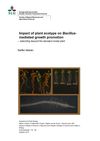
 Bacillus amyloliquefaciens can boost root hair growth in some Arabidopsis plants, potentially improving agriculture.

Proretinal nanoparticles are a safe and effective way to deliver retinal to the skin.
 January 2018 in “Springer eBooks”
 Athletes need effective management of skin disorders for their performance and well-being.
 January 2018 in “Stem cells in clinical applications”
 Exosomes show promise for tissue repair and regeneration with advantages over traditional cell therapies.
 January 2017 in “Springer eBooks”
 The document concludes that Cutaneous Lupus Erythematosus has different forms, is influenced by genetic and environmental factors, and can be treated with various medications, but more targeted therapies are needed.
 April 2016 in “The journal of investigative dermatology/Journal of investigative dermatology”
 M2 macrophages help hair regrowth in wounds by making growth factors.
 April 2015 in “Andrology”
 HNG may help prevent the negative effects of chemotherapy on sperm production and white blood cell counts.
 January 2014 in “Durham e-Theses (Durham University)”
 Notch1 helps skin heal by attracting cells that aid repair.
 December 2013 in “Research Portal (King's College London)”
 Hair loss in Lichen Planopilaris is caused by immune system issues damaging hair follicles and stem cells.
 January 2013 in “Anthropology”
 Untreated androgenetic alopecia leads to progressive hair loss in men.
 June 2007 in “Journal of The Royal Society for The Promotion of Health”
 Smoking doubles the risk of blindness, and physical exercise helps dyslexic children read better.
 January 2007 in “Dermatologic Surgery”
 A new scalp surgery technique leads to significantly thinner scars.
 January 2006 in “mediaTUM – the media and publications repository of the Technical University Munich (Technical University Munich)”
 Cattle hair isotope analysis can reveal diet and farm system characteristics.
 September 2003 in “Journal of the Royal Society of Medicine”
 The document concludes that while some advocate for a patient voucher system, it may be unequal and current healthcare reforms should be given a chance, and it also recommends various medical books for their comprehensive coverage and advice on specific health issues.
 September 2003 in “Journal of the Royal Society of Medicine”
 The book has valuable information but is hard to read due to poor writing.
 September 2003 in “Journal of the Royal Society of Medicine”
 Doctors should set boundaries and seek outside help for family medical issues.
 September 2003 in “Journal of the Royal Society of Medicine”
 Understanding breast cancer requires considering both medical advancements and social influences.
 September 2003 in “Journal of the Royal Society of Medicine”
 Improving end-of-life care at home requires better coordination, communication, and support.
 September 2003 in “Journal of the Royal Society of Medicine”
 The book is a useful reference for forensic medicine with some areas needing expansion for multicultural relevance.
 September 2003 in “Journal of the Royal Society of Medicine”
 The book is a comprehensive guide for forensic practitioners and exam candidates.