 1 citations
,
July 2021 in “Anais Brasileiros de Dermatologia”
1 citations
,
July 2021 in “Anais Brasileiros de Dermatologia” The conclusion is that three signs can help diagnose hair loss after it happens, potentially avoiding more invasive tests.

The document's conclusion cannot be provided because the document cannot be parsed.
 April 2023 in “Clinical dermatology review”
 COVID-19 infection may cause hair loss.
 2 citations
,
September 2020 in “Dermatologic Surgery”
2 citations
,
September 2020 in “Dermatologic Surgery” Hair transplant surgery can cause temporary hair loss in the area where hair was taken from.
January 2006 in “The Year book of dermatology”  3 citations
,
February 2017 in “Italian journal of dermatology and venereology”
3 citations
,
February 2017 in “Italian journal of dermatology and venereology” Hair loss might be the first sign of dengue fever.
 1 citations
,
January 2013 in “Journal of Cosmetics, Dermatological Sciences and Applications”
1 citations
,
January 2013 in “Journal of Cosmetics, Dermatological Sciences and Applications” The document concludes that a new treatment for a type of hair loss called telogen effluvium was tested and shows promise.
 1 citations
,
October 2013 in “A & A case reports”
1 citations
,
October 2013 in “A & A case reports” Hair loss from telogen effluvium may not happen again after another surgery.
 June 2025 in “Academic Medical Journal”
 A 6-year-old girl experienced temporary hair loss after mild COVID-19, which improved naturally in 8 months.
 10 citations
,
January 2017 in “Skin appendage disorders”
10 citations
,
January 2017 in “Skin appendage disorders” Emotional stress can trigger intermittent hair loss in chronic telogen effluvium, which may not improve with treatment if stress continues.
 15 citations
,
October 2016 in “PubMed”
15 citations
,
October 2016 in “PubMed” People with Telogen Effluvium often lack vitamin D, ferritin, and zinc.
Hair loss in women can be caused by different conditions like hormonal changes, infections, or stress.
 December 2013 in “미용예술경영연구”
 Scalp treatments increased hair density and reduced hair loss in Telogen Effluvium patients.
 24 citations
,
August 2020 in “AJGP”
24 citations
,
August 2020 in “AJGP” A woman's sudden hair loss was linked to her previous COVID-19 infection.
 August 2025 in “Journal of the Pakistan Medical Association”
 COVID-19 often causes hair loss, especially in women.
 2 citations
,
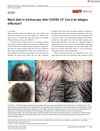
July 2021 in “Dermatologic Therapy”
2 citations
,
July 2021 in “Dermatologic Therapy” A woman's hair loss after COVID-19 was likely due to a mix of pressure-induced alopecia and acute telogen effluvium.
 4 citations
,
March 2021 in “International Journal of Dermatology”
4 citations
,
March 2021 in “International Journal of Dermatology” COVID-19 and related stress may increase hair loss known as Telogen effluvium.
 83 citations
,
May 1999 in “International Journal of Dermatology”
83 citations
,
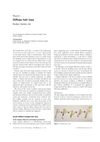
May 1999 in “International Journal of Dermatology” Hair loss that spreads out can often fix itself or be treated by finding and handling the cause.
 11 citations
,
May 1976 in “Archives of Dermatology”
11 citations
,
May 1976 in “Archives of Dermatology” Starving yourself can cause hair loss, but stopping the diet can improve it.
 7 citations
,
January 2015 in “Current problems in dermatology”
7 citations
,
January 2015 in “Current problems in dermatology” Hair loss can be caused by stress, infections, drugs, and various diseases, with treatment depending on accurate diagnosis.
 August 2024 in “International Journal of Health Science”
 Telogen Effluvium (TE) significantly affects women due to stress and hormonal changes, requiring better public health policies and mental health support.
 April 2016 in “Journal of The American Academy of Dermatology”
 A child on life support experienced rapid hair loss due to severe illness affecting hair growth.
 13 citations
,
November 1973 in “Archives of Dermatology”
13 citations
,
November 1973 in “Archives of Dermatology” Hair loss may be an early sign of serious illnesses like Hodgkin disease.
August 2022 in “Journal of Pakistan Association of Dermatologists” COVID-19 can cause temporary hair loss, especially in women, starting about two months after infection.
 May 2022 in “Acta Scientific Women's Health”
 A woman lost over 80% of her hair due to a condition called telogen effluvium after having COVID-19.
 14 citations
,
December 2020 in “Journal of The American Academy of Dermatology”
14 citations
,
December 2020 in “Journal of The American Academy of Dermatology” More people, especially Hispanic/Latinx, in certain NYC communities experienced temporary hair loss during the COVID-19 pandemic.
 1 citations
,
January 2017 in “Yonsei Medical Journal”
1 citations
,
January 2017 in “Yonsei Medical Journal” Hair is thinner near the scalp in acute hair shedding conditions.
 7 citations
,
September 2021 in “Anais Brasileiros De Dermatologia”
7 citations
,
September 2021 in “Anais Brasileiros De Dermatologia” COVID-19 can cause temporary hair loss, often starting around 7-8 weeks after recovery, with factors like Vitamin D deficiency, other diseases, medication, and stress potentially contributing.