May 2023 in “Journal of the European Academy of Dermatology and Venereology” Many people experience hair loss after COVID-19 infection.
 5 citations
,
January 2019 in “Giornale italiano di dermatologia e venereologia”
5 citations
,
January 2019 in “Giornale italiano di dermatologia e venereologia” Hair loss can happen after a fever caused by Rickettsia conorii infection.
 January 2022 in “Journal of Drug Delivery and Therapeutics”
 COVID-19 can cause temporary hair loss, known as Telogen Effluvium, within two months of infection.
 January 2024 in “International Journal of Trichology”
 Hair root dermoscopy is a simple, noninvasive tool to diagnose telogen effluvium.
 April 2022 in “Journal of biotechnology and strategic health research”
 COVID-19 infection may cause hair loss a few months after recovery.
 2 citations
,
July 2023 in “Life”
2 citations
,
July 2023 in “Life” COVID-19 can cause temporary hair loss, which is commonly reversible with treatment.
 5 citations
,
March 2017 in “Biomedical and Pharmacology Journal”
5 citations
,
March 2017 in “Biomedical and Pharmacology Journal” Certain growth factors significantly affect hair loss in women with telogen effluvium.
 234 citations
,
December 1996 in “Journal of The American Academy of Dermatology”
234 citations
,
December 1996 in “Journal of The American Academy of Dermatology” Middle-aged women with chronic telogen effluvium experience increased hair shedding but usually don't get significantly thinner hair.
 September 2022 in “Journal of The American Academy of Dermatology”
 A woman's COVID-19 related hair loss improved after using a specific hair care routine for 30 days.
 25 citations
,
August 2021 in “Irish Journal of Medical Science (1971 -)”
25 citations
,
August 2021 in “Irish Journal of Medical Science (1971 -)” COVID-19 infection can significantly cause temporary hair loss.
A woman had temporary hair loss due to stress from a spinal cord injury.
July 2025 in “Clinical and Experimental Dermatology” Hair loss (telogen effluvium) happens before male pattern baldness.
 1 citations
,
April 2023 in “American Journal of Clinical Dermatology”
1 citations
,
April 2023 in “American Journal of Clinical Dermatology” Chronic telogen effluvium may not be a unique condition and could be confused with other types of hair loss.
 July 2023 in “Chinese Journal of Dermatology”
 COVID-19 may cause common hair loss due to stress, immune response, medications, and other health issues.

COVID-19 infection is highly related to increased hair loss, especially in women.
January 2000 in “Proyectar La Rioja” COVID-19 can cause hair loss a few months after infection.
 7 citations
,
January 2015 in “Journal of the European Academy of Dermatology and Venereology”
7 citations
,
January 2015 in “Journal of the European Academy of Dermatology and Venereology” Only about 20% of women have hair loss after childbirth severe enough to be considered clinically significant.

Hair loss can happen after both mild and severe COVID-19, and areas with more COVID-19 cases may see more hair loss cases.
September 2022 in “Health and Medical Journal” Minoxidil and oral antioxidants helped improve hair growth in a patient with hair loss due to lupus.
 February 2023 in “Benha Journal of Applied Sciences”
 People with Telogen Effluvium have similar zinc levels in their blood as healthy individuals.
 3 citations
,
April 2021 in “Berkala ilmu kedokteran/Journal of the medical sciences”
3 citations
,
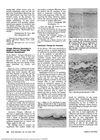
April 2021 in “Berkala ilmu kedokteran/Journal of the medical sciences” A fungus called Epidermophyton floccosum can cause scalp infections.
 10 citations
,
April 1976 in “Archives of Dermatology”
10 citations
,
April 1976 in “Archives of Dermatology” A woman's significant hair loss was linked to rapid weight loss and hormone injections.
 January 2023 in “International journal of sciences”
 Platelet-Rich Plasma therapy helped significantly in hair recovery for a hair loss condition after infection.
 December 2002 in “Archives of Dermatology”
 The poem ends by asking for case reports on serious health issues like Telogen Effluvium.
March 2025 in “Revista Foco” Early diagnosis of Alopecia Frontal Fibrosante is crucial for effective treatment.
4 citations
,
January 2005 Low iron levels are linked to hair loss in adult women.
 November 2025 in “International Journal of Recent Innovations in Medicine and Clinical Research”
 Understanding different types of hair loss helps in accurate diagnosis and treatment.
 22 citations
,
October 2021 in “Dermatologic Therapy”
22 citations
,
October 2021 in “Dermatologic Therapy” COVID-19 may cause temporary hair loss in some people.
 1 citations
,
March 1995 in “JAMA”
1 citations
,
March 1995 in “JAMA” The woman's hair loss is likely stress-related and should improve without treatment.
 18 citations
,
January 2016 in “Skin appendage disorders”
18 citations
,
January 2016 in “Skin appendage disorders” The paper suggests improving diagnosis and treatment of telogen effluvium but does not recommend a new classification system.