83 citations
,
October 2016 in “Stem Cells and Development” Epidermal growth factor helps hair stem cells grow by activating specific cell pathways.
 82 citations
,
May 2009 in “Development”
82 citations
,
May 2009 in “Development” EGF and KGF signalling prevent hair follicle formation and promote skin cell development in mice.
79 citations
,
August 1998 in “The Journal of Cell Biology” Keratin 16 delays skin maturation and affects skin and hair development in mice.
 78 citations
,
June 2005 in “Annals of oncology”
78 citations
,
June 2005 in “Annals of oncology” Cetuximab can cause excessive eyelash growth.
64 citations
,
February 2008 in “Cancer Research” Inactivating both p53 and Rb genes in mice speeds up aggressive skin cancer development.
57 citations
,
August 2006 in “Journal of the American Academy of Dermatology” Gefitinib can cause hair loss without scarring.
53 citations
,
July 2009 in “Cancer Research” Blocking certain proteins can reduce skin inflammation caused by cancer treatment.
43 citations
,
January 2014 in “Indian Journal of Dermatology” EGFR inhibitors can cause skin issues like acne and dryness, but these can be managed without stopping treatment.
 42 citations
,
April 2012 in “Seminars in Oncology”
42 citations
,
April 2012 in “Seminars in Oncology” Targeted cancer therapies often cause skin problems that need careful management to improve patient quality of life and treatment success.
39 citations
,
March 2009 in “Dermatology Online Journal” Understanding EGFR roles could lead to new hair loss treatments.
 35 citations
,
May 2008 in “Journal of Clinical Oncology”
35 citations
,
May 2008 in “Journal of Clinical Oncology” A cancer patient died from a severe skin reaction after taking the drug cetuximab.
33 citations
,
August 2009 in “Journal of Investigative Dermatology” Overexpressing the epigen gene in mice leads to enlarged sebaceous glands and greasy fur.
 32 citations
,
June 2012 in “PLoS ONE”
32 citations
,
June 2012 in “PLoS ONE” Blocking IL-8 can reduce skin rashes from cancer treatment.
32 citations
,
April 2011 in “Journal of the American Academy of Dermatology” Erlotinib may cause scarring hair loss.
29 citations
,
January 2012 in “Chemical immunology/Fortschritte der Allergielehre/Progress in allergy/Chemical immunology and allergy” New cancer drugs often cause skin and nail problems.
26 citations
,
June 2022 in “Stem Cell Research & Therapy” Tideglusib helps heal wounds in older skin.
 26 citations
,
October 2018 in “Clinical & Translational Oncology”
26 citations
,
October 2018 in “Clinical & Translational Oncology” Spanish experts provided guidelines for treating skin side effects in cancer patients on new therapies, stressing early action and teamwork.
 25 citations
,
September 2018 in “Molecular Biology of the Cell”
25 citations
,
September 2018 in “Molecular Biology of the Cell” Blocking Wnt/β-catenin signaling with EGF receptor is necessary for proper hair growth.
 25 citations
,
January 2017 in “Steroids”
25 citations
,
January 2017 in “Steroids” Allopregnanolone increases growth and changes gene activity in human brain cancer cells.
 25 citations
,
January 2011 in “Annals of Dermatology”
25 citations
,
January 2011 in “Annals of Dermatology” Erlotinib can cause hair loss as a side effect.
22 citations
,
March 2017 in “Journal of the Formosan Medical Association” The guidelines help doctors manage skin problems from certain cancer treatments to improve patients' lives.
22 citations
,
July 2016 in “Cellular and Molecular Life Sciences” Genetic changes in mice help understand skin and hair disorders, aiding treatment development for acne and hair loss.
22 citations
,
August 2013 in “Experimental Dermatology” EGFR hyperactivation increases sebaceous gland size and sebum production in mice.
21 citations
,
June 2017 in “Case Reports in Dermatology” Reducing gefitinib dosage improved hair loss, but scarring remained.
 20 citations
,
July 2013 in “PLoS ONE”
20 citations
,
July 2013 in “PLoS ONE” Targeting EGFR may help reduce hair loss from chemotherapy.
 19 citations
,
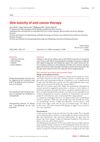
October 2008 in “Journal der Deutschen Dermatologischen Gesellschaft”
19 citations
,
October 2008 in “Journal der Deutschen Dermatologischen Gesellschaft” Anti-cancer treatments can cause reversible hair loss, skin sensitivity, pigmentation changes, nail damage, and skin reactions, with a need for more research on managing these side effects.
19 citations
,
October 2008 in “Expert Review of Dermatology” EGF receptor is crucial for skin health and its inhibitors can cause skin rashes.
 17 citations
,
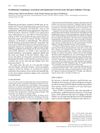
January 2010 in “Acta Dermato Venereologica”
17 citations
,
January 2010 in “Acta Dermato Venereologica” EGFR inhibitors can cause yellowish skin eruptions.
 16 citations
,
December 2016 in “Molecular Medicine Reports”
16 citations
,
December 2016 in “Molecular Medicine Reports” Platelet-rich plasma may help hair follicle cells grow by affecting certain genes and pathways.
14 citations
,
December 2018 in “The American journal of pathology” Activating Nrf2 in skin cells speeds up wound healing by increasing the growth of certain stem cells.