January 2001 in “Chinese Journal of Reparative and Reconstructive Surgery” EGF aids skin development and healing, while bFGF absence in embryos may allow scar-free healing.
Nano-liposome-bound EGF can delay hair growth in rats.
3 citations
,
August 2013 in “Journal of the American Academy of Dermatology” A new method quickly detects hair changes from EGFR inhibitors using a microscope.
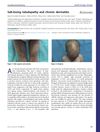 July 2018 in “Kidney international”
 Genetic testing for EGFR mutations is crucial in similar cases.
January 2024 in “Frontiers research topics” Comprehensive genetic testing and international collaboration are crucial for better understanding and managing Ehlers-Danlos syndromes.
 30 citations
,
June 2016 in “Journal of Human Genetics”
30 citations
,
June 2016 in “Journal of Human Genetics” Researchers found genetic mutations causing hypohidrotic ectodermal dysplasia in 88% of studied patients and identified new mutations and genetic variations affecting the disease.
 108 citations
,
November 2006 in “Phytomedicine”
108 citations
,
November 2006 in “Phytomedicine” Green tea component EGCG could potentially promote human hair growth.
39 citations
,
March 2009 in “Dermatology Online Journal” Erlotinib can cause persistent excessive hair growth.
10 citations
,
January 1987 in “PubMed” Thyroid hormone and epidermal growth factor affect hair angle, tooth eruption, and ear development in rats.
 14 citations
,
June 2018 in “Frontiers in pharmacology”
14 citations
,
June 2018 in “Frontiers in pharmacology” Green tea compound EGCG helps mink hair follicles grow by affecting certain cell growth pathways.
April 2024 in “International Journal For Multidisciplinary Research” Natural permeation enhancers help emulgels deliver drugs through the skin more effectively.
160 citations
,
June 2008 in “American Journal Of Pathology” EGFR signaling is crucial for skin and hair health, and targeting it could help treat skin diseases and cancer.
19 citations
,
January 2023 in “ACS Omega” SEF cryogels effectively kill bacteria, stop bleeding, and speed up wound healing.
 7 citations
,
January 2020 in “Frontiers in Pharmacology”
7 citations
,
January 2020 in “Frontiers in Pharmacology” Jagged1 and Epidermal Growth Factor together significantly increased hair growth in mice with androgen-suppressed hair.
 February 2024 in “Frontiers in plant science”
 Peps help Arabidopsis plants grow more root hairs by affecting specific genes and calcium signaling.
 March 2024 in “Plant physiology”
 GLABRA 2 controls ethylene production to help root hair growth during nutrient deficiency.
5 citations
,
July 2022 in “Genes” Increasing EGR1 levels makes hair root cells grow faster.
10 citations
,
December 1990 in “Archives of Dermatological Research” 43 citations
,
January 2014 in “Indian Journal of Dermatology” EGFR inhibitors can cause skin issues like acne and dryness, but these can be managed without stopping treatment.
January 2007 in “Jiepouxue yanjiu” ES cell-derived stem cells can help regenerate skin and form gland-like structures.
3 citations
,
June 2004 in “Työväentutkimus Vuosikirja” Ectodermal dysplasia syndromes are caused by disruptions in key signaling pathways affecting tooth and hair development.
 September 2019 in “Journal of Investigative Dermatology”
 Scientists used stem cells to create a model of the skin disease Epidermolysis Bullosa simplex, which helped them understand its molecular mechanisms and could aid in finding treatments.
June 2026 in “British Journal of Dermatology” A rare genetic mutation in the EGFR gene caused severe skin issues and other health problems in a Slovakian girl, who is now 4 years old and receiving care.
36 citations
,
April 2016 in “Biochimie” A substance called epidermal growth factor helps increase the growth of important hair follicle cells by activating a specific cell communication route.
July 2025 in “Journal of Investigative Dermatology” Tissue-engineered skin substitutes can model junctional epidermolysis bullosa and may help develop gene therapy.
33 citations
,
January 2000 in “Acta Oto-Laryngologica” Epidermal growth factor increases extra hair cells in newborn rat ears.
323 citations
,
November 1984 in “Journal of Investigative Dermatology”  June 2024 in “Journal of Clinical Oncology”
 EGFR-TKIs can cause unexpected skin, nail, and hair issues.
January 2023 in “Psychology” Emotional Freedom Techniques (EFT) treatment improved seed germination and growth, suggesting mood affects seed viability.
90 citations
,
August 2006 in “British Journal of Dermatology” PRIDE syndrome includes skin and hair issues from cancer treatment with EGFR inhibitors.