 November 2022 in “Journal of Investigative Dermatology”
 Scientists found a new type of skin cell that could help with skin repair and these cells work better with a certain protein.
55 citations
,
December 2021 in “BMC Veterinary Research” Certain genes in Iranian sheep are linked to wool production and heat adaptation.
March 2025 in “International Journal of Molecular Sciences” PLIN2 affects hair growth in cashmere goats, potentially improving cashmere quality.
50 citations
,
August 2019 in “Cell Communication and Signaling” NFAT5 triggers atherosclerosis under stress by activating inflammation in blood vessels.
January 2008 in “Lishizhen Medicine and Materia Medica Research” The root extract of Untica mairei Levl may help treat benign prostatic hyperplasia.
July 2024 in “Journal of Investigative Dermatology” The Fas/FasL pathway may play a role in alopecia areata.
 April 2010 in “The Journal of Urology”
 Human prostate cells produce more WISP1/CCN4 when there's not enough oxygen.
 59 citations
,
May 2017 in “Scientific reports”
59 citations
,
May 2017 in “Scientific reports” ZDHHC13 is important for normal liver function and metabolism, affecting mitochondrial activity.
January 2003 in “Hepatology” 109 citations
,
April 1997 in “Journal of Lipid Research” Linoleate deficiency in rats reduces growth and n-6 polyunsaturate accumulation, causing mild symptoms.

PmtHEE is a better model for studying pigmented skin because it includes melanocytes and shows improved cell differentiation.
Linalool in personal care products may worsen frontal fibrosing alopecia by damaging hair follicle stem cells and triggering harmful immune responses.
 May 2017 in “Journal of The American Academy of Dermatology”
 LED light helps human hair root cells grow and move by activating certain cell pathways.
37 citations
,
December 1995 in “Journal of Cell Science” Nexin 1 may help control hair growth.

MLO proteins are crucial for root hair growth by regulating calcium and ROS levels.
February 2025 in “Archives animal breeding/Archiv für Tierzucht” miRNA-211 reduces melanin in Cashmere goats by suppressing AP1S2.
 September 2024 in “Genes”
 CRABP1 boosts hair cell growth in Hu sheep by affecting key genes.
May 2026 in “Science Advances” Caloric stress and differentiation increase IRES translation, affecting stem cell function and potential therapies.
May 2025 in “Experimental Dermatology” A new genetic tool improves the study of hair growth and potential hair disorder treatments.
70 citations
,
August 2006 in “Cancer Research” AP-1 controls tumor cell type by affecting key signaling pathways.
7 citations
,
March 2023 in “Lasers in Surgery and Medicine” Ablative fractional laser treatment nearly matches the gene reduction effects of topical vismodegib in skin cancer.
 23 citations
,
December 2013 in “British Journal of Dermatology”
23 citations
,
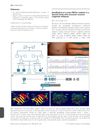
December 2013 in “British Journal of Dermatology” A new gene mutation linked to a skin condition was found in a Spanish family.
14 citations
,
August 2014 in “The FASEB Journal” CAP1/Prss8 does not activate PAR2 or inhibit PN-1.
July 2024 in “Journal of Investigative Dermatology” PH-762 shows promise in treating skin cancer by effectively targeting and silencing PD-1 in tumors with minimal side effects.
 12 citations
,
August 2022 in “Stem cell reviews and reports”
12 citations
,
August 2022 in “Stem cell reviews and reports” Increasing PBX1 reduces aging and cell death in hair follicle stem cells by boosting SIRT1 and lowering PARP1 activity.
 April 2023 in “Journal of Investigative Dermatology”
 Changing YBX1 protein activity affects skin stem cell function and aging.
 354 citations
,
February 2011 in “Genes & Development”
354 citations
,
February 2011 in “Genes & Development” EZH1 and EZH2 are crucial for healthy hair growth and skin repair.
9 citations
,
June 1999 in “Journal of Investigative Dermatology” The HPV type 11 region activates hair-specific gene expression in mice.
November 2022 in “Journal of Investigative Dermatology” NCSTN gene mutation causes abnormal skin cell differentiation and more inflammation, contributing to Hidradenitis Suppurativa.
 1 citations
,
February 2022 in “bioRxiv (Cold Spring Harbor Laboratory)”
1 citations
,
February 2022 in “bioRxiv (Cold Spring Harbor Laboratory)” A peptide from hair follicle stem cells promotes hair growth by activating specific skin cells.