 28 citations
,
May 1998 in “Skin Research and Technology”
28 citations
,
May 1998 in “Skin Research and Technology” Scalp flaps are stiffer than skin from other body areas, which helps in planning reconstructive and cosmetic head surgeries.
 25 citations
,
May 2020 in “Progress in Organic Coatings”
25 citations
,
May 2020 in “Progress in Organic Coatings” Castor oil-based polyurethanes are promising for making safe, strong-performing, eco-friendly hair-styling products.
2 citations
,
July 2019 in “Cosmetics” Beautiful hair is flexible and elastic due to its unique double-layered structure and can be enhanced with succinic acid treatment.
 May 2024 in “Ultramicroscopy”
 Atomic Force Microscopy is a more accurate way to assess hair damage and the effect of cosmetic treatments.
January 2026 in “Colloids and Surfaces B Biointerfaces” A silicone treatment makes damaged hair more water-resistant and stronger.
 July 2023 in “International Journal of Cosmetic Science”
 Biopolymers are increasingly used in cosmetics for their non-toxicity and skin benefits, with future biotech advancements likely to expand their applications.
March 2026 in “ACS Applied Bio Materials” The TO-TF copolymer strengthens damaged hair effectively and sustainably.
February 2022 in “Fibers” Scientists created a non-toxic, sugar-based hair product that can style hair without damage.

A natural, eco-friendly treatment using casein and tannic acid strengthens hair by 21% while keeping it elastic.
 41 citations
,
July 2020 in “Colloids and surfaces. B, Biointerfaces”
41 citations
,
July 2020 in “Colloids and surfaces. B, Biointerfaces” Different hair protein amounts change the strength of keratin/chitosan gels, useful for making predictable tissue engineering materials.

Optical Coherence Tomography has potential in diagnosing hair loss and monitoring blood clotting, and could be improved for deeper tissue observation and better hair loss understanding.
 140 citations
,
August 2011 in “Biomaterials”
140 citations
,
August 2011 in “Biomaterials” Keratose, derived from human hair, is a non-toxic biomaterial good for tissue regeneration and integrates well with body tissues.
 November 2025 in “Saudi Journal of Medical and Pharmaceutical Sciences”
 Mango pectin and coconut oil gels may help treat traction alopecia.

Minoxidil and nebivolol can help prevent aortic aging in diabetic mice.
 9 citations
,
February 2021 in “Frontiers in Cell and Developmental Biology”
9 citations
,
February 2021 in “Frontiers in Cell and Developmental Biology” Older mice have stiffer skin with less elasticity due to changes in collagen and skin structure, affecting aging and hair loss.
2 citations
,
November 2024 in “ACS Omega” Snail secretion-loaded dressings can improve skin regeneration and wound healing.
6 citations
,
June 2024 in “Gels” 5% hydroxyapatite in scaffolds improves bone tissue formation and mechanical properties.
March 2026 in “Journal of the mechanical behavior of biomedical materials/Journal of mechanical behavior of biomedical materials” Hair cuticles remain stable and resilient under stress due to strong protein content and crosslinking.
3 citations
,
July 2025 in “Gels” Engineered protein hydrogels improve medical treatments by mimicking natural body structures.
 40 citations
,
May 2016 in “Proceedings of the National Academy of Sciences of the United States of America”
40 citations
,
May 2016 in “Proceedings of the National Academy of Sciences of the United States of America” Changes in keratin make hair follicles stiffer.

Understanding hair surface properties is key for effective hair care products.
 September 2019 in “University of the Arts London Research Online (University of the Arts London)”
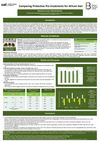
 Plant oils and polymers can help protect African hair from damage during styling.
 September 2015 in “The European physical journal. E, Soft matter and biological physics/The European physical journal. E, Soft matter”
 Longer time setting curls overnight leads to better curl retention.
 12 citations
,
September 2018 in “Journal of Drug Delivery Science and Technology”
12 citations
,
September 2018 in “Journal of Drug Delivery Science and Technology” The silk fibroin hydrogel with FGF-2-liposome can potentially treat hair loss in mice.
 3 citations
,
September 2020 in “Journal of cosmetic dermatology”
3 citations
,
September 2020 in “Journal of cosmetic dermatology” Coconut oil makes hair stronger and more flexible than mineral oil.
 1 citations
,
December 2004 in “Hepatology”
1 citations
,
December 2004 in “Hepatology” Tenofovir is more effective than adefovir for resistant hepatitis B, Fibroscan is good for assessing liver damage, regulatory T cells may help hepatitis C persist, and other insights into liver health and disease were found.
 May 2026 in “Organoid Research”
 Hydrogel-based methods improve skin organoid development for medical and research applications.
 December 2025 in “Universal library of medical and health sciences.”
 Amino acids like arginine and cysteine protect hair during chemical treatments, keeping it strong and less brittle.
 January 2015 in “D-Scholarship@Pitt (University of Pittsburgh)”
 Diabetic patients' stem cells make vascular grafts more prone to clots, but new methods may improve grafts.
 34 citations
,
October 1982 in “Journal of applied polymer science”
34 citations
,
October 1982 in “Journal of applied polymer science” Moisture content significantly affects how human hair breaks.