 3 citations
,
January 1989 in “PubMed”
3 citations
,
January 1989 in “PubMed” The review found that specific changes in scalp tissue can help diagnose different types of hair loss.
 3 citations
,
July 2023 in “Plastic and reconstructive surgery/PSEF CD journals”
3 citations
,
July 2023 in “Plastic and reconstructive surgery/PSEF CD journals” Nanofat grafting improves scars, rejuvenates skin, and may help hair growth safely, but more research is needed.
 3 citations
,
September 2019 in “Skin appendage disorders”
3 citations
,
September 2019 in “Skin appendage disorders” Women with Frontal Fibrosing Alopecia have more wrinkles near their ears than similar aged women without the condition.
 3 citations
,
August 2012 in “Annals of Diagnostic Pathology”
3 citations
,
August 2012 in “Annals of Diagnostic Pathology” AIDS may cause changes in the scalp that increase infection risk and hair loss.
 2 citations
,
November 2014
2 citations
,
November 2014 Common cosmetic dermatology techniques improve skin damaged by the sun and aging.
2 citations
,
March 2014 in “The Egyptian Journal of Histology” Bone marrow-derived stem cells greatly improve skin wound healing in rats.
 2 citations
,
June 1980 in “International Journal of Dermatology”
2 citations
,
June 1980 in “International Journal of Dermatology” Scalp biopsies are important for diagnosing hair loss conditions.
2 citations
,
May 2025 in “Medicine” Understanding skin, hair, and nails is vital for grasping their health and related diseases.
2 citations
,
October 1992 in “PubMed” WHV infection does not affect woodchuck skin anatomy.
 1 citations
,
January 2021 in “Research, Society and Development”
1 citations
,
January 2021 in “Research, Society and Development” Vegetable oils rich in antioxidants may help prevent skin aging caused by free radicals.
1 citations
,
January 1992 in “Bangladesh Journal of Animal Science” Camel skin has typical mammalian layers, with hair follicles, glands, and muscles, varying by body area.
 July 2023 in “British journal of dermatology/British journal of dermatology, Supplement”
 Aging changes scalp cells, possibly affecting hair health in older women.
 September 2022 in “The Egyptian Journal of Hospital Medicine”
 Microneedling is an effective, safe, and affordable method to treat skin conditions like scars and wrinkles.
April 2021 in “Indian Journal of Animal Research” Goat skin has collagen, elastic, and reticular fibers, with hair follicles increasing in depth as goats age.
 January 2019 in “Journal of Entomology and Zoology Studies”
 Ruminant goats have larger and more defined hair follicles than younger goats.
Pseudopelade is likely an independent disease due to its distinct features.
September 2016 in “Ege tıp dergisi/Ege tıp dergisi :” An 11-year-old obese girl was diagnosed with lipedematous scalp, a condition with swollen scalp tissue usually found in adult women.
 April 2012 in “Informa Healthcare eBooks”
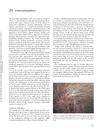
 Lichen planopilaris is a rare, chronic condition causing hair loss, mainly in middle-aged women, and early treatment is important to prevent permanent baldness.
January 2011 in “Leather Science and Engineering” Processing changes Sichuan rabbit skin structure by altering collagen fiber arrangement and porosity.
 February 2024 in “Australasian journal of dermatology”
 Inflammatory acne damages skin stem cells and reduces their growth, leading to atrophic acne scars.
 September 2022 in “Anais Brasileiros de Dermatologia”
 Dermoscopy helped diagnose a rare skin disease which slightly improved with treatment.
Microneedling improves the appearance and feel of post-burn scars.
February 2019 in “American International Journal of Humanities Arts and Social Sciences” The dermis of Millivora Capenesis has two layers with various connective tissues, blood vessels, glands, and sensory structures.
Treating hair with 1M sodium hydroxide increases its friction, making it better for small medical knots.
January 2015 in “Chinese Veterinary Science” Recognizing ultrastructures of cashmere goat hair follicles helps identify and locate follicle layers.
January 2005 in “Journal of Zhejiang University(Sciences Edition)” Yuyi hairless mice lose hair after birth, develop thick, loose skin with folds, and show disorganized skin structure as they age.
January 2003 in “Jiepouxue zazhi” HHK can help restore skin structure.
August 1969 in “Archives of Dermatology” Regenerated skin after calciphylaxis resembles scar tissue with fewer hairs.
March 2023 in “Chinese Journal of Dermatology” Protecting hair and scalp from sunlight may help prevent hair loss.
 2 citations
,
August 2019 in “International Journal of Cosmetic Science”
2 citations
,
August 2019 in “International Journal of Cosmetic Science” Older age and certain lifestyles are linked to thinner, weaker hair, while how you see your hair relates to its thickness.