6 citations
,
October 2001 in “British Journal of Ophthalmology” Intralesional cidofovir may be a viable treatment for conjunctival lesions in Melkersson-Rosenthal syndrome without systemic toxicity.
 October 2025 in “EMJ Dermatology”
 Histopathology is crucial for accurately diagnosing eruptive vellus hair cysts.
17 citations
,
April 1997 in “American Journal of Dermatopathology” PC-associated alopecia has unique microscopic features.
1 citations
,
January 2025 in “Dermatology Practical & Conceptual” Trichoscopy helps distinguish Lichen Planopilaris from Frontal Fibrosing Alopecia by identifying unique hair loss patterns.
97 citations
,
January 1999 in “International Journal of Dermatology” Pityriasis rubra pilaris is a rare skin disorder with reddish-orange patches and thickened skin, needing better treatment understanding.
 4 citations
,
July 2015 in “Journal of Feline Medicine and Surgery Open Reports”
4 citations
,
July 2015 in “Journal of Feline Medicine and Surgery Open Reports” A cat with hair loss and illness was found to have cancer spread from its colon.
 25 citations
,
March 2013 in “British Journal of Dermatology”
25 citations
,
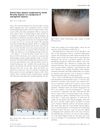
March 2013 in “British Journal of Dermatology” Woman has discoid lupus, frontal fibrosing, and androgenetic alopecia.
 January 2024 in “Pan African Medical Journal”
 Non-scarring hair loss is common in lupus patients and can be diagnosed with specific hair and tissue tests.
 4 citations
,
August 2010 in “Journal of the American Academy of Dermatology”
4 citations
,
August 2010 in “Journal of the American Academy of Dermatology” Cicatricial alopecia involves scarring hair loss and can be treated with various medications.
27 citations
,
February 1988 in “Journal of the American Academy of Dermatology” The skin condition Ulerythema ophryogenes did not improve with treatment in a patient with other birth defects.
November 2019 in “Harper's Textbook of Pediatric Dermatology” Netherton syndrome is a genetic skin disorder causing severe skin issues and requires careful treatment to protect the skin barrier.
325 citations
,
June 1994 in “Archives of Dermatology” Postmenopausal frontal fibrosing alopecia may be a unique condition linked to postmenopausal changes.
May 2009 in “Faculty Opinions – Post-Publication Peer Review of the Biomedical Literature” PPARgamma is crucial for healthy hair follicles, and its loss causes scarring alopecia.
28 citations
,
June 2007 in “Journal of Cutaneous Pathology” IRS premature desquamation is not unique to CCCA and occurs in various scarring alopecias.
2 citations
,
May 2020 in “Journal of the American Academy of Dermatology” Hair shaft changes may be linked to CCCA, but their role is unclear.
 57 citations
,
August 1998 in “The journal of small animal practice/Journal of small animal practice”
57 citations
,
August 1998 in “The journal of small animal practice/Journal of small animal practice” Malassezia-associated dermatitis can cause itching in cats with feline paraneoplastic alopecia.
39 citations
,
November 2005 in “The journal of investigative dermatology/Journal of investigative dermatology” Fatp4 is crucial for healthy skin development and function.
 January 1995 in “Skin Cancer”
 The outer root sheath in hair follicles changes during growth, with different keratinization processes in its layers.
 8 citations
,
April 2019 in “Australasian Journal of Dermatology”
8 citations
,
April 2019 in “Australasian Journal of Dermatology” The article suggests a treatment plan for a stubborn scalp condition common in elderly Australians to help improve their lives.
9 citations
,
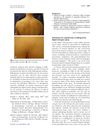
June 2011 in “American Journal of Dermatopathology” Molluscum contagiosum can occur in epidermoid cysts, especially with prolonged steroid use.
 15 citations
,
October 2006 in “Journal of the American Academy of Dermatology”
15 citations
,
October 2006 in “Journal of the American Academy of Dermatology” Liquid nitrogen spray caused a temporary, harmless swelling under the skin in an elderly woman.
 July 2022 in “JEADV Clinical Practice”
 The document concludes that different types of permanent hair loss conditions are related and early treatment is key to preventing further damage.
2 citations
,
July 2011 in “International Journal of Dermatology” EPF can occur without visible pustules.
December 2014 in “Actas dermo-sifiliográficas/Actas dermo-sifiliográficas” Hair removal with intense pulsed light can cause rare skin lesions that are hard to fully treat.
 July 1976 in “Archives of Dermatology”
 Some people may naturally have beaded lines on their skin that are more visible with certain treatments, and hair loss similar to post-pregnancy can occur after specific diet and therapy.
17 citations
,
December 1994 in “International Journal of Dermatology” Recognizing both trichostasis spinulosa and eruptive vellus hair cysts together is crucial for accurate diagnosis and treatment.
 14 citations
,
November 2009 in “Clinical and experimental dermatology”
14 citations
,
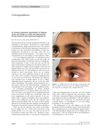
November 2009 in “Clinical and experimental dermatology” Topical prostaglandin E2 can help treat both alopecia areata and vitiligo.
May 2025 in “The Journal of Rheumatology” Bullous lupus can cause severe esophageal issues but responds well to corticosteroids and azathioprine.
 October 2021 in “Journal of Investigative Dermatology”
 Skin changes in Pseudoxanthoma elasticum patients can indicate the severity of related health issues.
 12 citations
,
March 2018 in “Anais brasileiros de dermatologia/Anais Brasileiros de Dermatologia”
12 citations
,
March 2018 in “Anais brasileiros de dermatologia/Anais Brasileiros de Dermatologia” A patient had both chronic cutaneous lupus erythematosus and frontal fibrosing alopecia.