White phosphorus bombs cause severe physical and emotional harm.
 January 2024 in “International Journal of Homoeopathic Sciences”
 Homeopathy may help improve acne scars and emotional well-being.
 191 citations
,
May 2018 in “British journal of dermatology/British journal of dermatology, Supplement”
191 citations
,
May 2018 in “British journal of dermatology/British journal of dermatology, Supplement” Alopecia areata is likely an autoimmune disease with unclear triggers, involving various immune cells and molecules, and currently has no cure.
 74 citations
,
May 2016 in “Current opinion in pediatrics, with evaluated MEDLINE/Current opinion in pediatrics”
74 citations
,
May 2016 in “Current opinion in pediatrics, with evaluated MEDLINE/Current opinion in pediatrics” Both vitiligo and alopecia areata involve an immune response triggered by stress and specific genes, with treatments targeting this pathway showing potential.
 3 citations
,
September 2010 in “Acta Médica Portuguesa”
3 citations
,
September 2010 in “Acta Médica Portuguesa” Polycystic ovary syndrome (PCOS) significantly impacts women's emotional well-being and social lives, requiring treatments that include psychological support.
 January 2019 in “ARC journal of pharmaceutical sciences”
 Acne can be managed with various treatments and requires psychological support due to its emotional impact.
 January 2012 in “Vitamins & trace elements”
 Smoking and drinking can lower vitamin levels and potentially trigger early hair loss, but overall vitamin levels don't seem to affect hair loss duration.
 20 citations
,
July 2009 in “Journal of Pediatric and Adolescent Gynecology”
20 citations
,
July 2009 in “Journal of Pediatric and Adolescent Gynecology” Quick treatment of hair disorders in teenage girls is important because of the emotional effects.
 February 2026 in “International Journal of Homoeopathic Sciences”
 Individualized homeopathic treatment with Lycopodium clavatum may help manage alopecia areata and improve related emotional symptoms.
 281 citations
,
January 2013 in “British Journal of Dermatology”
281 citations
,
January 2013 in “British Journal of Dermatology” Manage vitiligo with treatments, address emotions, and use camouflage techniques.
 March 2024 in “Buletin de psihiatrie integrativă (Print)”
 Hair loss from telogen effluvium can cause mental health issues and lower life quality, needing both medical and emotional support.
 July 2018 in “Elsevier eBooks”
 Telogen Effluvium is a common, usually reversible hair loss condition, often improved by removing the trigger and possibly treated with various products, though their effectiveness is uncertain.
 9 citations
,
February 2016 in “Cambridge University Press eBooks”
9 citations
,
February 2016 in “Cambridge University Press eBooks” The conclusion is that self-concept, shame, and emotion regulation are key factors in hoarding disorder, body dysmorphic disorder, and trichotillomania, and should be targeted in treatment and research.
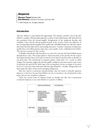 January 2007 in “Elsevier eBooks”
 Alopecia areata is a reversible, autoimmune-related hair loss that can have significant emotional impact and uncertain treatment effectiveness.
 May 2017 in “InTech eBooks”
 Early treatment of children's hair loss, which can be caused by various factors, is important due to its emotional impact.
 28 citations
,
January 2015 in “Skin appendage disorders”
28 citations
,
January 2015 in “Skin appendage disorders” Children with trichotillomania often pull hair from their scalp, and parents may not notice; stress can trigger it, and asking detailed questions helps in diagnosis and treatment.
 23 citations
,
October 2018 in “Australasian Journal of Dermatology”
23 citations
,
October 2018 in “Australasian Journal of Dermatology” The current understanding of frontal fibrosing alopecia involves immune, genetic, hormonal factors, and possibly environmental triggers, but more research is needed for effective treatments.
 17 citations
,
November 2012 in “Maturitas”
17 citations
,
November 2012 in “Maturitas” The conclusion is that proper evaluation and treatment of hair loss in midlife women is important, considering the emotional impact and potential for various treatments.
 1 citations
,
January 2015 in “Springer eBooks”
1 citations
,
January 2015 in “Springer eBooks” AGA is a common hair loss disorder, and early diagnosis and treatment with minoxidil or finasteride can help reduce emotional distress.
 January 2019 in “Elsevier eBooks”
 Different hair disorders have specific treatments and outcomes, with some resolving on their own and others requiring medication or emotional support.
 3 citations
,
May 2018 in “Experimental Dermatology”
3 citations
,
May 2018 in “Experimental Dermatology” Young HS patients often have other physical and mental health issues, and research on HS covers a wide range of topics including genetics, triggers, treatments, and the need for more data.
January 2026 in “Dove Medical Press (Taylor and Francis Group)” Strainful life events may significantly trigger alopecia areata.
7 citations
,
March 2022 in “Journal of the American Academy of Dermatology” Stress can trigger or worsen alopecia areata.
April 2023 in “Media Dermato Venereologica Indonesiana” COVID-19 reinfection may trigger alopecia areata.
 March 2026 in “Frontiers in Pediatrics”
 COVID-19 may trigger hair loss conditions like alopecia areata.
January 2021 in “Menoufia Medical Journal (Print)” Androgenetic alopecia negatively affects emotions and self-confidence, especially in younger people.
 January 2023 in “Karger Kompass. Dermatologie”
 Scientists are still unsure what triggers the immune system to attack hair follicles in Alopecia areata.
 6 citations
,
May 2022 in “Frontiers in Medicine”
6 citations
,
May 2022 in “Frontiers in Medicine” The study suggests pandemic stress might worsen or trigger hair loss problems.
January 2026 in “Clinics in Dermatology” Managing menopause symptoms like skin changes and hair thinning involves hormone therapy, procedures, and skincare, with emotional support being important.
3 citations
,
August 2025 in “British Journal of Dermatology” Adolescents with alopecia areata face more bullying and emotional challenges, needing support to improve their quality of life.