February 2025 in “JDDG Journal der Deutschen Dermatologischen Gesellschaft” Deucravacitinib helped a man regrow hair and improve psoriasis.
 February 2025 in “PubMed”
 CS12192 effectively treats alopecia areata with better safety than current options.
7 citations
,
March 2023 in “JEADV. Journal of the European Academy of Dermatology and Venereology/Journal of the European Academy of Dermatology and Venereology” February 2024 in “Cancers” New treatments targeting androgen receptors show promise for drug-resistant prostate cancer.
 March 2005 in “Inpharma Weekly”
 China approved Sinovac's flu vaccine, Japan approved RiUP for female hair loss, and Nippon Kayaku's three cancer drugs.
 January 2009 in “Yearbook of Dermatology and Dermatologic Surgery”
 Etanercept is safe and may help improve hidradenitis suppurativa, but more research is needed.

Tofacitinib may effectively treat hair loss and improve symptoms in autoimmune conditions like alopecia areata and Sjögren's syndrome, but long-term treatment might be necessary.
 February 2006 in “Journal of The American Academy of Dermatology”
 Terbinafine is more effective than itraconazole for toenail fungus, especially in older patients, and debridement improves its effectiveness.
1 citations
,
December 2023 in “Molecules/Molecules online/Molecules annual” JAK inhibitors show promise for treating various skin diseases.
3 citations
,
January 2019 in “Indian Journal of Drugs in Dermatology” Certain cancer drugs can cause skin issues like rashes and itching.
9 citations
,
October 2025 in “MedComm” PROTACs offer new ways to treat hard-to-target diseases, with promising drugs for cancer in advanced trials.
1 citations
,
March 2025 in “Skin Appendage Disorders” Baricitinib for alopecia areata may rarely cause eye issues like keratitis.
 3 citations
,
May 2025 in “Frontiers in Pharmacology”
3 citations
,
May 2025 in “Frontiers in Pharmacology” Vismodegib can cause muscle spasms, taste changes, hair loss, fatigue, weight loss, and possibly new issues like skin cancer, dehydration, and swallowing problems, needing close monitoring.
 April 2019 in “The journal of investigative dermatology/Journal of investigative dermatology”
 HDAC inhibitors, like Vorinostat and Entinostat, can help regrow hair in alopecia areata.
April 2012 in “Informa Healthcare eBooks” Some drugs for inflammation may cause psoriasis-like hair loss.
2 citations
,
October 2023 in “Cancer Reports” Mitochondrial features can predict colorectal cancer outcomes and improve immunotherapy.
September 2025 in “Value in Health” October 2023 in “The Open Dermatology Journal” Baricitinib is effective for severe alopecia areata with manageable side effects, mainly upper respiratory infections.
24 citations
,
January 2023 in “Cancer Research” AMPK activation may reduce melanoma risk in red-haired individuals.
 April 2025 in “Vestnik dermatologii i venerologii”
 JAK inhibitors like tofacitinib are effective and safer for severe alopecia areata than glucocorticosteroids.
33 citations
,
June 2009 in “Journal of Cutaneous Pathology” Erlotinib can cause nonscarring hair loss and itchy skin.
 March 2026 in “Lithuanian University of Health Sciences”
 JAK inhibitors can effectively regrow hair in alopecia areata patients, but ongoing treatment is needed to maintain results.
July 2024 in “Journal of Investigative Dermatology” Brepocitinib improves cicatricial alopecia and reduces key immune markers.
 August 2024 in “Clinical Cosmetic and Investigational Dermatology”
 Upadacitinib and narrowband UVB effectively treated a child's vitiligo and alopecia areata.
 November 2025 in “Cancer Management and Research”
 Targeting Keratin 17 may help overcome cancer therapy resistance.
January 2025 in “International Journal of Pharmaceutics” The treatment showed significant hair regrowth in alopecia areata patients without side effects.
December 2023 in “Journal of clinical medicine” Some leukemia treatments can cause skin reactions similar to keratosis pilaris.
 157 citations
,
December 2015 in “Journal of the American Academy of Dermatology”
157 citations
,
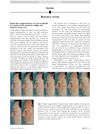
December 2015 in “Journal of the American Academy of Dermatology” A man with vitiligo and alopecia saw quick skin and hair improvement with ruxolitinib, but skin color gains were lost after stopping treatment.
November 2023 in “SKIN The Journal of Cutaneous Medicine” 1 citations
,
April 2012 in “Cancer Research” Antizyme reduces tumor growth and normalizes skin cell development affected by MEK.