11 citations
,
January 2009 in “World Journal of Gastroenterology” A woman with both Cronkhite-Canada syndrome and myelodysplastic syndrome improved significantly with corticosteroid treatment.
26 citations
,
June 2024 in “Frontiers in Immunology” SOCS1 and SOCS3 help control skin inflammation and are important for developing treatments for skin diseases.
December 2024 in “European journal of medical research”  December 2023 in “bioRxiv (Cold Spring Harbor Laboratory)”
 Different types of inactive melanocyte stem cells exist with unique characteristics and potential to develop into other cells.
January 2026 in “Biomolecules” TSC22D genes are key in metabolic diseases and cancer, offering potential as treatment targets.
 5 citations
,
September 2017 in “Medicine”
5 citations
,
September 2017 in “Medicine” A patient with Cronkhite-Canada Syndrome developed colon cancer that spread to the liver, showing the need for regular cancer checks in such patients.
5 citations
,
December 2016 in “Microscopy Research and Technique” EPI-NCSCs from hair follicles may help treat brain development issues in mice.
 3 citations
,
January 2011 in “Intestinal Research”
3 citations
,
January 2011 in “Intestinal Research” Cronkhite-Canada syndrome can cause multiple gastrointestinal polyps and various physical symptoms.
November 2025 in “Cancer Cell International” Cancer-associated fibroblasts promote tumor growth in skin cancer.
48 citations
,
March 2020 in “Stem Cell Research & Therapy” Using a collagen sponge scaffold helps stem cells become more like skin cells.
December 2024 in “Clinical and Experimental Dermatology” Patients with central centrifugal cicatricial alopecia benefit from shared decision-making with their doctors.
31 citations
,
October 2019 in “Genes & Diseases” Basal cell carcinomas and squamous cell carcinomas have different gene activity patterns, suggesting unique treatment approaches.
A comprehensive human skin cell atlas was created to better understand skin biology and disease.
 124 citations
,
February 2018 in “Nature Reviews Genetics”
124 citations
,
February 2018 in “Nature Reviews Genetics” Stem cell plasticity is crucial for wound healing but can also contribute to cancer development.
 June 2008 in “Dermatologic Surgery”
 The International Society of Hair Restoration Surgery created a standard curriculum in 2008 to guide doctors in diagnosing and treating hair loss effectively.
November 2020 in “Zenodo (CERN European Organization for Nuclear Research)”  24 citations
,
November 2016 in “Cell death and disease”
24 citations
,
November 2016 in “Cell death and disease” Skin-derived stem cells can become various cell types, including germ cell-like and oocyte-like cells.
 19 citations
,
August 2020 in “Gastroenterology report”
19 citations
,
August 2020 in “Gastroenterology report” There is no standard treatment for the rare Cronkhite–Canada syndrome, which can be fatal and lead to cancer.
 February 2009 in “International Journal of Dermatology”
 New dermatology leaders and events were announced.
44 citations
,
July 2020 in “Stem Cell Research & Therapy” Epidermal stem cells show promise for skin repair and regeneration.
3 citations
,
October 2020 in “UNC Libraries” The new criteria for classifying lupus are more accurate and comprehensive.
14 citations
,
February 2008 in “Stem Cells and Development” Seven genes are highly expressed in both germ-line and hematopoietic stem cells.
 November 2023 in “npj regenerative medicine”
 Skin spheroids with both outer and inner layers are key for regrowing skin patterns and hair.
 October 2024 in “Medicine”
 Cronkhite-Canada syndrome is rare, has a poor prognosis, and requires early diagnosis and ongoing treatment.
January 2017 in “PRISM (University of Calgary)” Unique genes in hair follicle cells help tissue regeneration.
 April 2018 in “Journal of Investigative Dermatology”
 CREB, a protein that can promote cancer traits, is controlled by β-catenin in skin cancer cells.
 May 2024 in “Animal genetics”
 A cat's poor wound healing was linked to a genetic deletion in the COL5A1 gene.
4 citations
,
August 2020 in “bioRxiv (Cold Spring Harbor Laboratory)” The tool iCOUNT helps understand how stem cells divide and affect tissue development and repair.
 April 2019 in “Journal of Investigative Dermatology”
 The search scheme SMRI is faster and more secure for retrieving encrypted data from the cloud.
 August 2013 in “Gastroenterology”
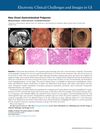
 A 60-year-old man with Cronkhite-Canada syndrome improved with treatment, but the condition has a high mortality rate and a risk of colorectal cancer.