 6 citations
,
January 2019 in “Medical Hypotheses”
6 citations
,
January 2019 in “Medical Hypotheses” Frontal Fibrosing Alopecia might be an autoimmune disease.
 July 2026 in “Frontiers in Cellular and Infection Microbiology”
 Staphylococcus levels may indicate hair loss in men and could help develop new treatments.
 41 citations
,
March 2007 in “Journal of dermatological science”
41 citations
,
March 2007 in “Journal of dermatological science” Taking L-cystine and vitamin B6 can prevent hair loss caused by smoke in mice.
 11 citations
,
June 2012 in “Archives of Dermatological Research”
11 citations
,
June 2012 in “Archives of Dermatological Research” L-cystine and vitamin B6 at high doses prevented hair loss in mice treated with a chemotherapy drug.
 10 citations
,
May 1986 in “Experientia”
10 citations
,
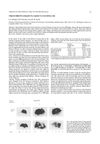
May 1986 in “Experientia” Too much zinc in the diet can cause hair loss and color change in young mice by reducing copper in the body.
 4 citations
,
August 2020 in “Journal of Cosmetic Dermatology”
4 citations
,
August 2020 in “Journal of Cosmetic Dermatology” QR 678 and QR678 Neo treatments are effective for hair loss in women with PCOS.
 3 citations
,
May 1980 in “American Journal of Nursing”
3 citations
,
May 1980 in “American Journal of Nursing” Scalp tourniquets did not significantly prevent hair loss from chemotherapy.
 1 citations
,
January 2020 in “Skin appendage disorders”
1 citations
,
January 2020 in “Skin appendage disorders” Finasteride may help treat frontal fibrosing alopecia, but more research is needed.

Antimalarial agents are effective for LPP, and intralesional steroids are effective for FFA.
 July 2015 in “Cambridge University Press eBooks”
 The document concludes that treatments for female hair loss and excess body hair are available, but managing expectations is important.
 23 citations
,
October 2018 in “Expert Opinion on Drug Safety”
23 citations
,
October 2018 in “Expert Opinion on Drug Safety” Consider benefits and risks of new alopecia treatments for safety.
 18 citations
,
May 2013 in “Journal of The American Academy of Dermatology”
18 citations
,
May 2013 in “Journal of The American Academy of Dermatology” EVG staining is the most reliable method for diagnosing alopecia.
 January 2026 in “International Journal of All Research Education & Scientific Methods”
 Alopecia is caused by various factors, and new treatments like gene editing and regenerative medicine offer hope for personalized hair regrowth solutions.
 May 2003 in “Facial Plastic Surgery Clinics of North America”
 Hair loss can be treated with medications like minoxidil and finasteride or surgery, but treatment effectiveness varies by alopecia type and accurate diagnosis is important.
 51 citations
,
September 2015 in “Medical Clinics of North America”
51 citations
,
September 2015 in “Medical Clinics of North America” The conclusion is that acne, alopecia, and hyperhidrosis are common skin issues with various treatments available, and accurate diagnosis is key for effective management.
 24 citations
,
January 2021 in “Dermatologic Therapy”
24 citations
,
January 2021 in “Dermatologic Therapy” Platelet-rich plasma (PRP) is a safe and potentially effective way to treat hair loss, especially when combined with minoxidil.
 15 citations
,
August 2006 in “Journal of Cutaneous Pathology”
15 citations
,
August 2006 in “Journal of Cutaneous Pathology” HIV-1 may cause increased stem cell death in hair follicles, leading to hair loss.
 4 citations
,
October 2016
4 citations
,
October 2016 Herbs like aloe vera and amla are effective and safe for treating hair loss.
 July 2025 in “International Journal of Dermatology Venereology and Leprosy Sciences”
 Higher stress levels may worsen alopecia areata, suggesting stress management is important for treatment.
Non-invasive methods can effectively diagnose and manage alopecia areata.
 21 citations
,
March 2006 in “Seminars in Cutaneous Medicine and Surgery”
21 citations
,
March 2006 in “Seminars in Cutaneous Medicine and Surgery” Most hair loss disorders can be accurately diagnosed and treated in an outpatient setting.
 April 2018 in “bioRxiv (Cold Spring Harbor Laboratory)”
 A gene variant causes patched hair loss in mice, similar to alopecia areata in humans.
 15 citations
,
July 2002 in “Clinical and Experimental Dermatology”
15 citations
,
July 2002 in “Clinical and Experimental Dermatology” Hair microscopy is useful for diagnosing certain hair loss conditions but has limitations and must be interpreted carefully.
 205 citations
,
March 2012 in “Science Translational Medicine”
205 citations
,
March 2012 in “Science Translational Medicine” PGD2 stops hair growth and is higher in bald men with AGA.
 136 citations
,
April 2016 in “Dermatologic Surgery”
136 citations
,
April 2016 in “Dermatologic Surgery” PRP treatment helps hair growth and density in androgenetic alopecia patients.
 112 citations
,
October 2005 in “Mayo Clinic Proceedings”
112 citations
,
October 2005 in “Mayo Clinic Proceedings” Minoxidil and finasteride can slow hair loss and stimulate regrowth, but won't restore all lost hair or reverse complete baldness.
 85 citations
,
October 2012 in “Dermatologic Clinics”
85 citations
,
October 2012 in “Dermatologic Clinics” Alopecia Areata is an autoimmune condition often starting before age 20, with varied treatment success and a need for personalized treatment plans.
 71 citations
,
January 2004 in “Dermatology”
71 citations
,
January 2004 in “Dermatology” Oral finasteride works better than topical minoxidil for hair growth, both are safe.
 59 citations
,
October 2012 in “Pharmaceutical Research”
59 citations
,
October 2012 in “Pharmaceutical Research” Squalene-based carriers improve delivery of a treatment to hair follicles for alopecia areata.
 55 citations
,
October 2019 in “Dermatology and therapy”
55 citations
,
October 2019 in “Dermatology and therapy” Drugs targeting the JAK/STAT pathway can improve atopic dermatitis but vary in effectiveness for vitiligo and alopecia areata, with generally mild safety concerns.