 October 2022 in “The Journal of Family Practice”
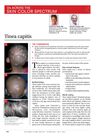
 Tinea capitis is a scalp fungal infection in children that can cause hair loss, scaling, and other symptoms.
 July 2022 in “Berkala Ilmu Kesehatan Kulit dan Kelamin/Berkala ilmu kesehatan kulit dan kelamin (Periodical of dermatology and venerology)”
 Most tinea capitis patients were young boys with cat contact, had scaly patches caused by Microsporum canis, and improved with griseofulvin treatment.
 January 2021 in “Advances in health sciences research/Advances in Health Sciences Research”
 Two siblings with gray patch tinea capitis were successfully treated after identifying risk factors.
 April 2019 in “Dermatology reports”
 A 12-year-old boy's hair fully regrew after 8 weeks of treatment for tinea capitis, and dermoscopy was useful for diagnosis and monitoring.
 January 2019 in “Open access journal of mycology & mycological sciences”
 The article concludes that proper antifungal treatment is essential for treating scalp fungal infections in children, and trichoscopy is useful for diagnosis and monitoring.
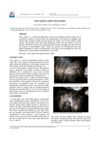
An adult Libyan woman was successfully treated for a rare scalp infection usually seen in children.
 87 citations
,
September 2016 in “Dermatologic Surgery”
87 citations
,
September 2016 in “Dermatologic Surgery” PRP shows potential for treating female hair loss, but more research needed.
 35 citations
,
November 1996 in “Journal of the American Academy of Dermatology”
35 citations
,
November 1996 in “Journal of the American Academy of Dermatology” Itraconazole was effective in treating unusual M. canis infections in only one of two HIV-infected men.
 23 citations
,
January 2005 in “Nihon Ishinkin Gakkai zasshi”
23 citations
,
January 2005 in “Nihon Ishinkin Gakkai zasshi” Nested PCR can reliably identify fungal infections when traditional methods fail.
 3 citations
,
September 2020 in “Case reports in dermatological medicine”
3 citations
,
September 2020 in “Case reports in dermatological medicine” Misdiagnosing kerion as a bacterial infection can lead to unnecessary surgery and permanent hair loss.
 156 citations
,
September 2014 in “British journal of dermatology/British journal of dermatology, Supplement”
156 citations
,
September 2014 in “British journal of dermatology/British journal of dermatology, Supplement” Accurate diagnosis and effective oral treatment are key to managing tinea capitis and preventing its spread.
 126 citations
,
January 1987 in “Journal of The American Academy of Dermatology”
126 citations
,
January 1987 in “Journal of The American Academy of Dermatology” The document concludes that understanding hair structure is key to diagnosing hair abnormalities and recommends gentle hair care for management.
 108 citations
,
March 2011 in “Archives of Dermatology”
108 citations
,
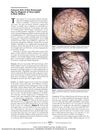
March 2011 in “Archives of Dermatology” Corkscrew hair may be a new sign for quickly diagnosing scalp fungus in black children.
 69 citations
,
August 2014 in “Journal of The American Academy of Dermatology”
69 citations
,
August 2014 in “Journal of The American Academy of Dermatology” Trichoscopy is a quick, cost-effective tool for diagnosing different hair loss conditions.
 66 citations
,
February 2013 in “Pediatric Dermatology”
66 citations
,
February 2013 in “Pediatric Dermatology” Dermoscopy improves diagnosis and treatment monitoring for children's skin infections, inflammations, and hair disorders.
 65 citations
,
January 2005 in “American journal of clinical dermatology”
65 citations
,
January 2005 in “American journal of clinical dermatology” Children with scalp fungal infections need proper diagnosis and treatment, usually with antifungal medications, and newer drugs may offer quicker recovery.
 61 citations
,
October 2005 in “The journal of investigative dermatology. Symposium proceedings/The Journal of investigative dermatology symposium proceedings”
61 citations
,
October 2005 in “The journal of investigative dermatology. Symposium proceedings/The Journal of investigative dermatology symposium proceedings” The document concludes that accurate diagnosis is crucial for effectively treating common scalp disorders, which often have similar symptoms.
 41 citations
,
January 2011 in “Nippon Ishinkin Gakkai Zasshi”
41 citations
,
January 2011 in “Nippon Ishinkin Gakkai Zasshi” Tinea incognito in Iran commonly affects adults and mimics other skin conditions.
 35 citations
,
January 1996 in “Dermatologic clinics”
35 citations
,
January 1996 in “Dermatologic clinics” Tinea capitis is a common scalp infection causing hair loss, mostly in young children.
 33 citations
,
March 2006 in “Seminars in cutaneous medicine and surgery”
33 citations
,
March 2006 in “Seminars in cutaneous medicine and surgery” The document explains how to identify different hair problems using a microscope.
 32 citations
,
June 2017 in “Journal of infection/The Journal of infection”
32 citations
,
June 2017 in “Journal of infection/The Journal of infection” The document concludes that terbinafine is effective for treating scalp fungal infections in children and recommends not excluding them from school during treatment, while also highlighting the need for updated treatment guidelines due to changing infection patterns.
 32 citations
,
January 2014 in “Dermatology Research and Practice”
32 citations
,
January 2014 in “Dermatology Research and Practice” Trichoscopy can effectively tell apart tinea capitis and alopecia areata in children by looking for specific hair shapes.
 28 citations
,
March 2010 in “Clinics in dermatology”
28 citations
,
March 2010 in “Clinics in dermatology” Doctors have known about fungal skin infections for a long time, but only made major progress in understanding and treating them since the mid-1800s.
 17 citations
,
September 2012 in “Dermatologic Clinics”
17 citations
,
September 2012 in “Dermatologic Clinics” The conclusion is that accurate diagnosis of different types of hair loss requires careful examination of tissue samples and understanding of clinical symptoms.
 16 citations
,
January 2015 in “Annals of Dermatology”
16 citations
,
January 2015 in “Annals of Dermatology” The study found specific hair and scalp patterns for different types of hair loss in Koreans, noting racial differences affect diagnosis.
 16 citations
,
April 2014 in “Dermatologic Clinics”
16 citations
,
April 2014 in “Dermatologic Clinics” Dermatoscopy helps diagnose hair and scalp disorders in people with Afro-textured hair, but more research is needed for better understanding and treatment.
 15 citations
,
August 2015 in “Scanning”
15 citations
,
August 2015 in “Scanning” Corkscrew and cigarette-ash-shaped hairs in tinea capitis are caused by internal hair degradation and external resistance.
 15 citations
,
July 2002 in “Clinical and Experimental Dermatology”
15 citations
,
July 2002 in “Clinical and Experimental Dermatology” Hair microscopy is useful for diagnosing certain hair loss conditions but has limitations and must be interpreted carefully.
 11 citations
,
April 2016 in “The American Journal of Dermatopathology”
11 citations
,
April 2016 in “The American Journal of Dermatopathology” Special and immunohistochemical stains are not routinely needed for diagnosing hair disorders.
 11 citations
,
May 2010 in “Annals of the Academy of Medicine Singapore”
11 citations
,
May 2010 in “Annals of the Academy of Medicine Singapore” Tinea capitis can cause scalp issues in children and should be considered in similar cases; treatment with griseofulvin and selenium sulfide is effective.