 2 citations
,
December 2022 in “PNAS nexus”
2 citations
,
December 2022 in “PNAS nexus” SCD-153 shows promise as an effective topical treatment for alopecia areata.
 January 2021 in “Hair transplant forum international”
 The T-Fast multi-implanter makes hair transplant surgeries quicker and cheaper.
 42 citations
,
December 2007 in “American Journal of Psychiatry”
42 citations
,
December 2007 in “American Journal of Psychiatry” Finasteride may effectively reduce Tourette's syndrome symptoms and improve life quality.
 16 citations
,
November 2023 in “Scientific Reports”
16 citations
,
November 2023 in “Scientific Reports” The niosomes effectively target hair follicles for acne treatment.

Early combination therapy can effectively regrow hair in frontal fibrosing alopecia.
 8 citations
,
October 2022 in “Dermatology practical & conceptual”
8 citations
,
October 2022 in “Dermatology practical & conceptual” Tofacitinib and ruxolitinib are effective and safe for treating various autoimmune skin and joint disorders.
1 citations
,
February 2025 in “Archives of Dermatological Research” Transcutaneous electrical acustimulation helps wounds heal faster in mice.
 February 2026 in “Clinical Cosmetic and Investigational Dermatology”
 Upadacitinib improves life quality for Alopecia Areata patients without worsening skin issues.
 September 2013 in “Neurodegenerative disease management”
 Teriflunomide is effective and generally safe for treating relapsing multiple sclerosis, reducing relapse rates and disability progression.
 September 2023 in “Medicina Estética Revista Científica de la Sociedad Española de Medicina Estética (SEME)”
 The FDA approved Litfulo® for treating severe alopecia areata in people aged 12 and older.
July 2024 in “Journal of Investigative Dermatology” ATR12-351 ointment safely delivers LEKTI protein to the skin, reducing enzyme activity in Netherton syndrome.
July 2022 in “Zenodo (CERN European Organization for Nuclear Research)”  January 2015 in “Journal of evolution of medical and dental sciences”
 Topical tacrolimus is effective and safe for treating alopecia areata.
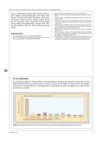
The document corrects a mistake by stating that pimecrolimus, not tacrolimus, is the drug that concentrates in the skin.
10 citations
,
January 2023 in “SAGE Open Medical Case Reports” Upadacitinib may effectively treat both alopecia universalis and Crohn's disease.
 October 2014 in “Journal of skin and stem cell”
 Elidel combined with tretinoin is more effective for treating alopecia areata than Elidel alone.
April 2016 in “International Journal of Drug Delivery” The ethosomal formulation improved finasteride delivery through the skin.
February 2026 in “The Plant Journal” ADF8 and ADF11 help root hairs grow by responding to hormones and environmental signals.
 August 2021 in “Majalah Obat Tradisional”
 Green tea leaves extract can be used to make a hair tonic that may benefit hair health.
 July 2025 in “Journal of Investigative Dermatology”
 5% ET-02 is a more effective and safe treatment for hair loss than current options.
 September 1997 in “Hair transplant forum international”
 The document's conclusion cannot be summarized because the content is not accessible.
December 2025 in “Medicine - Programa de Formación Médica Continuada Acreditado” Recent advancements in hair loss treatments include new therapies and insights for different types of alopecia.
1 citations
,
April 2017 in “Journal of Investigative Dermatology” Abatacept may help some people with alopecia areata regrow hair.
1 citations
,
April 2023 in “Heliyon” Disitamab vedotin and gemcitabine effectively treated bladder cancer without major side effects.
23 citations
,
March 2019 in “AIDS Care” Remembering to take PrEP is the main challenge, and urine monitoring is a preferred adherence method.
 June 2024 in “Archives of Medical Science”
 Telitacicept effectively improved hair regrowth in a woman with lupus and alopecia.
July 2025 in “Journal of Investigative Dermatology” Ritlecitinib reduces alopecia areata symptoms by blocking JAK3/TEC signaling and T-cell activity.
 April 2020 in “Trends in Immunotherapy”
 Combining triamcinolone acetonide and immunotherapy can help regrow hair in some alopecia totalis patients.
26 citations
,
October 2017 in “PubMed” Isotretinoin and acitretin may effectively stabilize the hairline in patients with frontal fibrosing alopecia.