January 2025 in “Animal Science Journal” Golden takin's hair structure is adapted to maintain body temperature in harsh winters.

Improve ventilation and address environmental issues to reduce health complaints.
 21 citations
,
September 2011 in “Journal of Pharmaceutical Sciences”
21 citations
,
September 2011 in “Journal of Pharmaceutical Sciences” Desolvation of finasteride depends on environment and technique.
5 citations
,
April 2024 in “Heliyon” Wild and cultivated Saccharina latissima differ in chemical makeup and color due to environmental factors.
The integumentary system is essential for protection, temperature regulation, and health.
18 citations
,
February 2025 in “Macromolecular Rapid Communications” Thermo-responsive polymers in nanoparticles enable targeted drug delivery and advanced therapies by releasing drugs at specific temperatures.
 1 citations
,
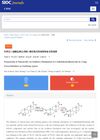
January 2017 in “Chinese Journal of Organic Chemistry”
1 citations
,
January 2017 in “Chinese Journal of Organic Chemistry” Using K2S2O8 as an oxidizing agent in a specific condition, we can make Finasteride with 96.3% yield and 99.6% purity. This method is also good for other compounds and is environmentally friendly.
13 citations
,
September 2022 in “Journal of Animal Behaviour and Biometeorology” Elephants use their skin, ears, and behavior to cool down, but climate change makes it harder for them.
November 2025 in “Veterinary and Animal Science” Camel hair structure, not color, helps camels stay cool in the desert.
August 2024 in “Journal of Clinical Medicine” PRP shows promise but lacks consistent evidence and regulation.
18 citations
,
February 2002 in “Der Hautarzt” Sports can worsen or improve skin conditions.
 1 citations
,
June 2025 in “Preprints.org”
1 citations
,
June 2025 in “Preprints.org” Climate change harms skin health and reduces the effectiveness of aesthetic treatments.
 25 citations
,
September 2006 in “Birth Defects Research”
25 citations
,
September 2006 in “Birth Defects Research” Different processes create patterns in skin and things like hair and feathers.
October 2025 in “Coloration Technology” Delipidised wool is brighter, dyes better, and is more eco-friendly.
 December 2023 in “Journal of biobased materials and bioenergy”
 The algae grew better and fixed nitrogen more efficiently when they worked together, using nitrogen and iron.

The hydrogel platform speeds up healing in diabetic wounds.
 2 citations
,
June 2024 in “Frontiers in Plant Science”
2 citations
,
June 2024 in “Frontiers in Plant Science” LLPS is crucial for RALF signaling, aiding plant growth and stress resilience.
A hat with sensors can measure scalp moisture well, helping with hair care.
22 citations
,
May 2019 in “Animals” High hair cortisol levels indicate stress in cows due to poor shelter conditions and health issues.
8 citations
,
March 2025 in “Developmental Biology” Integumentary organs adapt and evolve for survival, with potential uses in regenerative medicine.
1 citations
,
March 2023 in “Journal of Natural Fibers” A gentler, less damaging method for curling hair using tyrosine works well initially but fades after washing.
 2 citations
,
January 2015 in “Springer eBooks”
2 citations
,
January 2015 in “Springer eBooks” Environmental factors and exposure to toxins may contribute to male infertility by affecting sperm and hormone function.
 59 citations
,
February 2012 in “Journal of Dermatological Science”
59 citations
,
February 2012 in “Journal of Dermatological Science” Environmental factors at different levels control hair stem cell activity, which could lead to new hair growth and alopecia treatments.
 49 citations
,
April 2016 in “International journal of molecular sciences”
49 citations
,
April 2016 in “International journal of molecular sciences” Shift nurses show altered body temperature and stress hormone levels, suggesting their body clocks adjust to irregular schedules.
 25 citations
,
July 2013 in “Environmental Toxicology and Chemistry”
25 citations
,
July 2013 in “Environmental Toxicology and Chemistry” Spironolactone harms fish reproduction and is more potent in fish than invertebrates, needing environmental monitoring.
 12 citations
,
January 2007 in “Current problems in dermatology”
12 citations
,
January 2007 in “Current problems in dermatology” Environmental and cosmetic factors, including heat, chemicals, and sun exposure, can cause hair loss and damage.
 11 citations
,
January 2008 in “International journal of environment and health”
11 citations
,
January 2008 in “International journal of environment and health” Children are at risk of health issues from exposure to platinum group elements from car exhausts.
 4 citations
,
May 2014 in “Biochemical Society Transactions”
4 citations
,
May 2014 in “Biochemical Society Transactions” Environmental cues can change the fate and function of epithelial cells, with potential for cell therapy.
 January 2025 in “Journal of Veterinary Medical Science”
 Environmental conditions can affect toxic mineral levels and gut bacteria in working dogs.
 October 2012 in “Advanced Materials Research”
 Higher temperatures improve rabbit hair strength up to 50°C, but moisture weakens it.