 August 2019 in “Journal of Investigative Dermatology”
 Skin may help in getting rid of excess iron through the process of skin cell renewal.
 August 2019 in “Journal of Investigative Dermatology”
 The study found that tight junctions reach the top layer of the skin's stratum granulosum, not just the second top layer as previously thought.
 August 2019 in “Journal of Investigative Dermatology”
 Frog skin cells need the protein desmoplakin for proper development and cell layer formation.
 126 citations
,
January 2009 in “International Journal of Trichology”
126 citations
,
January 2009 in “International Journal of Trichology” Oxidative stress contributes to hair graying and loss as we age.
 269 citations
,
May 2002 in “Journal of Neuroscience”
269 citations
,
May 2002 in “Journal of Neuroscience” Stress increases neurosteroids that help prevent seizures.
 132 citations
,
January 2017 in “International Journal of Molecular Sciences”
132 citations
,
January 2017 in “International Journal of Molecular Sciences” Fat-derived stem cells show promise for skin repair and reducing aging signs but need more research for consistent results.
 127 citations
,
December 2005 in “Experimental Dermatology”
127 citations
,
December 2005 in “Experimental Dermatology” Stress can stop hair growth in mice, and treatments can reverse this effect.
 122 citations
,
July 2005 in “The FASEB journal”
122 citations
,
July 2005 in “The FASEB journal” Hair follicles produce and respond to melatonin, affecting hair growth and sensitivity to estrogen.
 77 citations
,
August 2025 in “Signal Transduction and Targeted Therapy”
77 citations
,
August 2025 in “Signal Transduction and Targeted Therapy” Extracellular vesicles show promise for treating diseases but face challenges in development and regulation.
 65 citations
,
January 2011 in “Frontiers in Endocrinology”
65 citations
,
January 2011 in “Frontiers in Endocrinology” Neurosteroids show promise for treating epilepsy and more research is needed.
 65 citations
,
May 2010 in “Current Women's Health Reviews”
65 citations
,
May 2010 in “Current Women's Health Reviews” Oxidative stress is a key factor in the development of Polycystic Ovary Syndrome, and weight management can improve symptoms.
 33 citations
,
December 2015 in “Neuroendocrinology”
33 citations
,
December 2015 in “Neuroendocrinology” Finasteride treatment changes brain steroid levels and receptors, affecting brain function even after stopping treatment.
 27 citations
,
May 2008 in “Neuroscience”
27 citations
,
May 2008 in “Neuroscience” Finasteride given to baby rats causes anxiety-like behavior and worsens learning from punishment in adult rats.
 14 citations
,
October 2012 in “Clinics in Plastic Surgery”
14 citations
,
October 2012 in “Clinics in Plastic Surgery” Adding stem cells to fat grafts for facial rejuvenation might improve outcomes, but more research is needed to confirm safety and effectiveness.
 12 citations
,
September 2018 in “International Journal of Cosmetic Science”
12 citations
,
September 2018 in “International Journal of Cosmetic Science” Palmitoyl tetrapeptide-20 may help reduce hair greying and increase melanin production.
 10 citations
,
January 2016 in “Global Dermatology”
10 citations
,
January 2016 in “Global Dermatology” Zinc helps manage skin disorders and deficiencies can worsen some conditions.
 4 citations
,
May 2019 in “Biology open”
4 citations
,
May 2019 in “Biology open” Testosterone reduces heart damage and inflammation after injury.
 1 citations
,
January 2025 in “RSC Advances”
1 citations
,
January 2025 in “RSC Advances” Ascorbic acid derivatives improve drug delivery systems.
 1 citations
,
January 2011 in “Springer eBooks”
1 citations
,
January 2011 in “Springer eBooks” Histone demethylases play a key role in the development of many diseases and may be targets for treatment.
 May 2026 in “International Journal of Nanomedicine”
 Nanozymes help heal burn wounds by fighting bacteria, reducing inflammation, and promoting blood vessel growth.
 April 2026 in “Signal Transduction and Targeted Therapy”
 Balancing testosterone may reduce COVID-19 severity.
 March 2026 in “Wiadomości Lekarskie”
 Psychological stress speeds up skin aging.
 January 2026 in “Nanoscale Advances”
 Microneedles combined with light therapy can improve skin disease diagnosis and treatment.
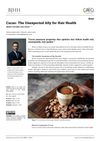 September 2025 in “Brazilian Journal of Hair Health”
 Cacao can improve hair strength and shine.
 January 2024 in “Research Square (Research Square)”
 A specially designed molybdenum oxide nanozyme can treat and monitor acute kidney injury effectively.
 September 2011 in “Clinical Biochemistry”
 The demineralized bone matrix scaffold is better for cell attachment than the mineralized bone allograft.
 26 citations
,
July 1995 in “Neurobiology of Aging”
26 citations
,
July 1995 in “Neurobiology of Aging” Finasteride affects prostate weights and pituitary activity differently with age.
 December 2025 in “Journal of Advanced Biotechnology and Experimental Therapeutics”
 Mesenchymal stem cells may help reduce melanin in UV-exposed mice.
 224 citations
,
March 2006 in “Seminars in Cutaneous Medicine and Surgery”
224 citations
,
March 2006 in “Seminars in Cutaneous Medicine and Surgery” The document concludes that understanding hair follicle biology can lead to better hair loss treatments.
 158 citations
,
August 2011 in “Reviews in endocrine and metabolic disorders”
158 citations
,
August 2011 in “Reviews in endocrine and metabolic disorders” Vitamin D and its receptor regulate skin functions like cell growth, immunity, hair cycle, and tumor prevention.