April 2024 in “International journal of molecular sciences” Combination pharmacotherapy is generally more effective for treating keloids and hypertrophic scars.
 451 citations
,
March 2005 in “Endocrine Reviews”
451 citations
,
March 2005 in “Endocrine Reviews” The enzyme steroid sulfatase is linked to breast cancer and other conditions, and inhibitors are being developed for treatment.
 140 citations
,
April 2004 in “The journal of investigative dermatology/Journal of investigative dermatology”
140 citations
,
April 2004 in “The journal of investigative dermatology/Journal of investigative dermatology” The enzyme 25 Hydroxyvitamin D 1 α-Hydroxylase is essential for healthy skin and recovery after skin damage.
25 citations
,
August 2015 in “Molecules” Mimosine dipeptides are promising for treating hyperpigmentation and inflammation.
 January 2024 in “Saudi pharmaceutical journal”
 The study successfully formulated and optimized a bilayer tablet combining Tamsulosin and Finasteride using response surface methodology.
354 citations
,
August 1991 in “Molecular Endocrinology” Human adrenals and gonads have a unique enzyme for steroid hormone production.
62 citations
,
July 2022 in “Science Immunology” TREM2 macrophages and unsaturated lipids contribute to acne inflammation.
56 citations
,
September 2010 in “Veterinary pathology” Certain mouse strains develop a skin condition similar to a human hair loss disease due to genetic defects.
 48 citations
,
July 1996 in “Human & Experimental Toxicology”
48 citations
,
July 1996 in “Human & Experimental Toxicology” Human enzymes can detoxify harmful substances but might also increase their cancer risk.
23 citations
,
July 2020 in “Aging Cell” Aging changes sugar molecules on skin stem cells, which may affect their ability to repair skin.
 18 citations
,
March 2020 in “Frontiers in Neuroendocrinology”
18 citations
,
March 2020 in “Frontiers in Neuroendocrinology” The enzymes 5α-reductase and 3α/β-hydroxysteroid oxidoreductase help create brain-active substances from progesterone and testosterone, which could be used for treatment, but more research is needed to ensure their safety and effectiveness.
 18 citations
,
November 1994 in “Histochemical Journal”
18 citations
,
November 1994 in “Histochemical Journal” The enzyme PST is found in developing human kidneys and helps with detoxification and development.
 237 citations
,
December 2001 in “Urology”
237 citations
,
December 2001 in “Urology” Blocking the enzyme 5α-reductase can shrink the prostate and help treat enlarged prostate issues.
 131 citations
,
September 2017 in “Molecular and Cellular Endocrinology”
131 citations
,
September 2017 in “Molecular and Cellular Endocrinology” The document concludes that blocking the internal pathways that create androgens might help treat cancers that depend on sex hormones.
 13 citations
,
November 2014 in “Toxicology Letters”
13 citations
,
November 2014 in “Toxicology Letters” Finasteride affects UGT1A4 enzyme, but not enough to cause issues when combined with other drugs.
1 citations
,
July 2025 in “Advanced Materials” The zinc-coordinated nanogel therapy speeds up wound healing after pancreas surgery by balancing metabolism and fighting bacteria.
 October 2025 in “Pharmaceutics”
 Microneedles improve drug delivery for skin diseases, enhancing treatment effectiveness and patient compliance.
 98 citations
,
April 1997 in “The Journal of Steroid Biochemistry and Molecular Biology”
98 citations
,
April 1997 in “The Journal of Steroid Biochemistry and Molecular Biology” Finasteride effectively blocks rat enzymes, but with varying methods and strength.
 25 citations
,
September 1998 in “The Journal of Steroid Biochemistry and Molecular Biology”
25 citations
,
September 1998 in “The Journal of Steroid Biochemistry and Molecular Biology” Finasteride inhibits enzyme activity in rhesus macaques, suggesting they're useful for evaluating similar drugs.
 August 2023 in “Journal of Cosmetic Dermatology”
 Some plants like spinach, broccoli, and matcha may boost the effectiveness of the hair growth drug minoxidil.
 6 citations
,
August 2017 in “Physiological Research”
6 citations
,
August 2017 in “Physiological Research” Setipiprant may reduce inflammation by blocking an enzyme called aldose reductase.
 111 citations
,
August 2002 in “Journal of Medicinal Chemistry”
111 citations
,
August 2002 in “Journal of Medicinal Chemistry” New compounds were made that block an enzyme linked to breast cancer better than existing treatments.
 4 citations
,
August 2010 in “Acta Biologica Hungarica”
4 citations
,
August 2010 in “Acta Biologica Hungarica” New steroidal compounds moderately block an enzyme related to testosterone conversion, less effectively than finasteride.
 20 citations
,
February 2002 in “Expert Opinion on Therapeutic Patents”
20 citations
,
February 2002 in “Expert Opinion on Therapeutic Patents” New research is needed to create better drugs that block the enzyme responsible for conditions like male baldness and prostate enlargement.
 193 citations
,
August 1985 in “Endocrinology”
193 citations
,
August 1985 in “Endocrinology” Different animals have unique versions of the enzyme that changes testosterone into another hormone, which is important for creating effective treatments for prostate and hair loss conditions.
 20 citations
,
March 2013 in “Journal of Lipid Research”
20 citations
,
March 2013 in “Journal of Lipid Research” The research explains how a human enzyme binds and processes its substrate, which could relate to its role in biological functions and hair loss.
 15 citations
,
January 1998 in “Journal of Clinical Periodontology”
15 citations
,
January 1998 in “Journal of Clinical Periodontology” Finasteride helps treat hair loss by blocking enzyme activity.
 12 citations
,
April 1995 in “Journal of Medicinal Chemistry”
12 citations
,
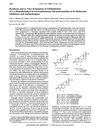
April 1995 in “Journal of Medicinal Chemistry” The new compounds moderately block a specific enzyme and strongly counteract a male hormone, suggesting potential for treating certain male-related health conditions.
 11 citations
,
August 2015 in “PLOS ONE”
11 citations
,
August 2015 in “PLOS ONE” Finasteride affects brain stress and enzyme activity differently in various regions, possibly helping with liver-related brain issues.
 1 citations
,
May 2016 in “Pharmaceutical Biology”
1 citations
,
May 2016 in “Pharmaceutical Biology” Aspergillus niger culture creates two finasteride derivatives with enzyme-inhibiting effects.