10 citations
,
November 2017 in “Skin Appendage Disorders” Erosive pustular dermatosis in elderly people may be linked to aging immune systems and skin damage.
17 citations
,
July 2013 in “Amino Acids” Increased ODC activity leads to skin tumors by recruiting stem cells, not by toxic byproducts.
 January 2021 in “Social Science Research Network”
 The document concludes that forcing doctors to assist in euthanasia against their will is dangerous and goes against democratic values.
16 citations
,
November 2018 in “The journal of pain/Journal of pain” 14,15-EET may help reduce poststroke pain by affecting certain brain proteins.
25 citations
,
April 2008 in “Clinical and experimental dermatology” EFFC might be common but underreported.
February 2024 in “Epigenomes” Epigenetic mechanisms control skin development by regulating gene expression.
208 citations
,
November 2000 in “Development” Edar and Eda proteins are crucial for proper tooth development.
 60 citations
,
December 2013 in “PLoS ONE”
60 citations
,
December 2013 in “PLoS ONE” EETs can delay seizures by affecting GABA activity, offering potential new treatments for seizures.
24 citations
,
June 1999 in “Mechanisms of Development” Ornithine decarboxylase is crucial for hair growth and follicle development.
71 citations
,
November 2005 in “The journal of investigative dermatology. Symposium proceedings/The Journal of investigative dermatology symposium proceedings” Edar signaling is crucial for proper hair follicle development and function.
2 citations
,
July 2011 in “International Journal of Dermatology” EPF can occur without visible pustules.
8 citations
,
January 2019 in “JAAD Case Reports” EPDS can cause recurring scalp sores and hair loss if not treated.
 1 citations
,
July 2022 in “Han'gug sigpum yeong'yang gwahag hoeji/Journal of the Korean society of food science and nutrition”
1 citations
,
July 2022 in “Han'gug sigpum yeong'yang gwahag hoeji/Journal of the Korean society of food science and nutrition” Eurycoma longifolia extract may help increase testosterone levels and reduce andropause symptoms.
 16 citations
,
August 2014 in “International Journal of Women's Health”
16 citations
,
August 2014 in “International Journal of Women's Health” The estradiol valerate/dienogest oral contraceptive helps with heavy periods, may improve acne and symptoms in PCOS, and doesn't affect sexual function.
 1 citations
,
March 2023 in “European Journal of Human Genetics”
1 citations
,
March 2023 in “European Journal of Human Genetics” The UK's EDS National Diagnostic Service found that early diagnosis, lifestyle advice, and regular check-ups are crucial for managing vascular Ehlers-Danlos syndrome. A combination of losartan and bisoprolol can reduce vascular events, improving survival and quality of life.
July 2026 in “Journal of the American Academy of Dermatology” Estetrol (E4) can help hair grow longer by extending its growth phase.
 5 citations
,
September 2015 in “BMC Medical Genetics”
5 citations
,
September 2015 in “BMC Medical Genetics” The EDAR gene mutation leads to thinner and more deformed hair shafts.
1 citations
,
August 1985 in “Proceedings annual meeting Electron Microscopy Society of America” SEM/EDX can analyze hair elements but struggles with trace elements, limiting its forensic use.
 109 citations
,
October 2007 in “American Journal of Human Genetics”
109 citations
,
October 2007 in “American Journal of Human Genetics” Giving a special protein to dogs with a certain genetic disease improved their symptoms but didn't help with hair growth.
12 citations
,
July 2011 in “Experimental Dermatology” The ethosomal delivery system improves topical drug delivery and promotes hair growth.
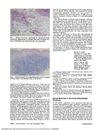 8 citations
,
November 1990 in “Archives of Dermatology”
8 citations
,
November 1990 in “Archives of Dermatology” A woman with EMS showed unusual skin mucinosis without the typical hard skin syndrome, suggesting EMS can cause skin mucinosis.
 2 citations
,
June 2017 in “Pediatric Dermatology”
2 citations
,
June 2017 in “Pediatric Dermatology” A critically ill boy experienced hair loss likely due to the stress of his medical treatments, but his hair regrew completely in 1.5 months.
 January 2021 in “Research Square (Research Square)”
 150 kHz electromagnetic radiation may improve polycystic ovary condition in rats.
 July 2022 in “Dermatology Reports”
 A rare scalp condition called Erosive pustular dermatosis is hard to diagnose and treat.
43 citations
,
April 2011 in “AJP Endocrinology and Metabolism” Androgens increase muscle mass by promoting myoblast growth through ornithine decarboxylase.
 2 citations
,
January 2023 in “Redox Report”
2 citations
,
January 2023 in “Redox Report” Estradiol may protect ear cells from hearing loss caused by a chemotherapy drug by activating a protective pathway.
15 citations
,
June 2019 in “Biochemical Journal” A new genetic disorder caused by an ODC1 mutation can be treated with DFMO.
 6 citations
,
February 2021 in “Journal of Ovarian Research”
6 citations
,
February 2021 in “Journal of Ovarian Research” 150 kHz electromagnetic radiation might help improve PCOS in rats.
32 citations
,
September 2003 in “European journal of oral sciences” People with ectodermal dysplasias often have reduced saliva production and should get saliva tests.
Suppressing ODC activity reduces tumor growth in hair follicles.